Author Archives: Steve Hauptman

Questioning the iceberg

(Steve and Bert are fighting a particularly stubborn cold, and so have decided to recycle and expand a post we wrote over a year ago:)

Peary relates that on his polar trip he traveled one whole day toward the north, making his sleigh dogs run briskly. At night he checked his bearings to determine his latitude and noticed with great surprise that he was much further south than in the morning. He had been toiling all day toward the north on an immense iceberg drawn southwards by an ocean current. ~ Jose Ortega y Gassett

a

Here’s why the idea of control fascinates me.

It’s an emotional iceberg, constantly carrying each of us southwards — away from where we want to go or where we think we’re headed.

Its size and invisibility make it easy to overlook.

But ignoring it is dangerous.

Because it hardly matters how hard you mush towards your goal when the iceberg keeps moving you in the opposite direction.

So:

Feeling lost?  Stuck?  Exhausted?  Depressed?

Stop mushing, already.

Question the iceberg instead.

You can do that by asking yourself:

(1) What is it I’m trying to control here?

(2) Have I been able to control this thing successfully in the past?

(3) If not, what can I do instead?

To answer (3), you’ll need to know something about the three alternatives to control.

We call them surrender, responsibility and intimacy.

They’ll be our subject next time.

* * *


Session 26: Dandelions

My wife and I are fighting again.

1

2

3

4

What about?

1

2

3

4

The same thing.  It’s always the same thing.

1

2

3

4

therapist (2)

1

2

3

4

We’ve been having the same fight for years.

1

2

3

4

therapist (3)

1

2

3

4

I say the same stuff.  She says the same stuff.  Nobody wins.

1

2

3

4

therapist (4)

1

2

3

4

The same stupid fight, over and over.

1

2

3

4

th

1

2

3

4 

Why do we do that?

1

2

3

4

Do you have a lawn?

1

2

3

4

Yes.

1

2

3

4

Any dandelions on the lawn?

1

2

3

4

Sure.

1

2

3

4

What happens when you mow dandelions? 

1

2

3

4

They grow back.

1

2

3

4

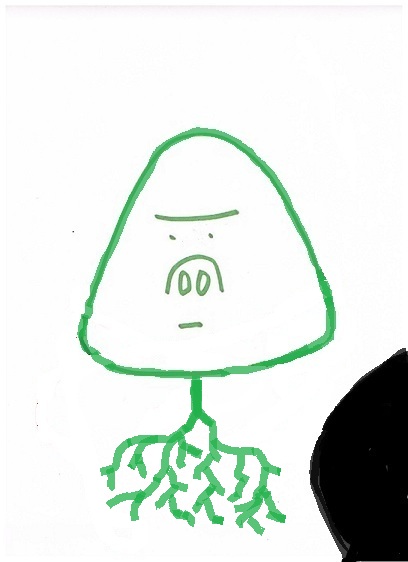
And keep growing back until you kill the root. 

1

2

3

4

Our fights have roots?

1

2

3

4

Right.  Unconscious ones. 

1

2

3

4

What can I do about it?

1

2

3

4

Start digging.

1

2

3

4

For what?

1

2

3

4

Unfinished business you brought into the marriage.

1

2

3

4

Such as?

1

2

3

4

Unhealed wounds.   Unmet needs.  Unexpressed feelings.

1

2

3

4

Oh.  Great.

1

2

3

4

1

2

3

4

x

1

2

3

4

How are you feeling right now?

1

2

3

4

x

1

2

3

4

Tell me.

1

2

3

4

Like I have terminal athlete’s foot.

1

2

3

4

therapist (17)therapist (18)

1

2

* * *


The Talk

(If you’re new to Monkeytraps, Steve is a therapist who specializes in control issues, and Bert is his control-addicted inner monkey.

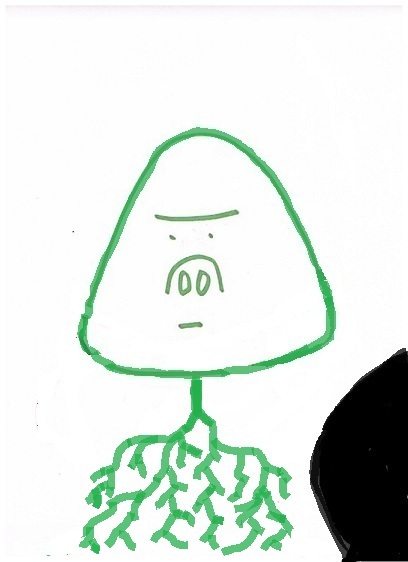
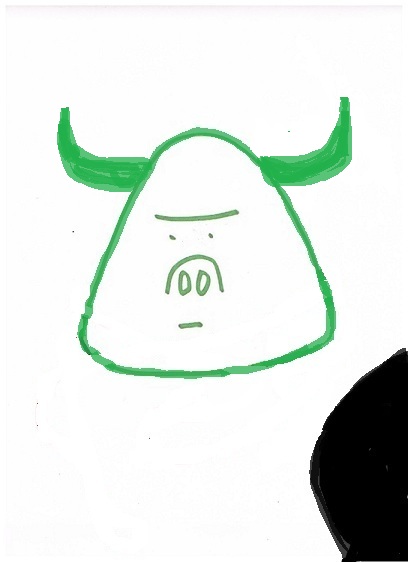
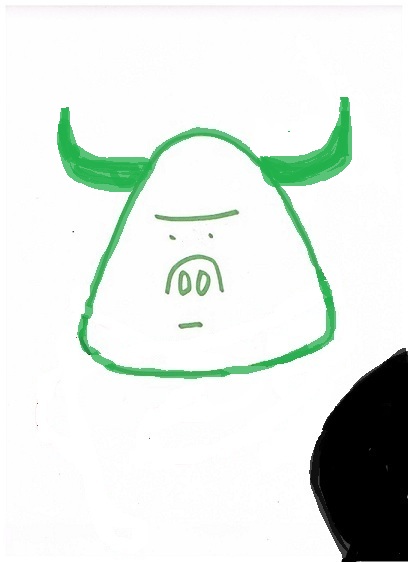
That’s Bert at left, giving The Talk.

Bert speaking:)

Alas, I am cursed.

Well, not me so much.  The other me.  The shrinky part.

In the past two weeks Steve met with three new clients and gave each of them his latest version of The Talk.

The Talk is what I call his attempt to compress the theory he’s been developing for two decades into a five-minute sound bite. 

He’s been doing this for years now, editing and reshaping and tweaking The Talk along the way.  But I get nervous whenever he gives it. 

I’m afraid he’s confusing people. 

And that’s because I suspect all his explanations are fatally afflicted by the so-called Curse of Knowledge.

“Once we know something, we find it hard to imagine what it was like not to know it,” write Chip and Dan Heath.*  “Our knowledge has ‘cursed’ us.  And it becomes difficult for us to share our knowledge with others, because we can’t readily re-create our listeners’ state of mind.”

Steve’s theory is about the idea of control.   And control is an idea he’s has been immersed in for so long — reading and writing and thinking and talking and even, god help us, dreaming about it — that I fear it’s impaired his ability to communicate with normal people.

So, dear reader, I have a favor to ask you.

Read The Talk below.   It’s short, just 269 words. 

Then write back and tell me your reaction.  

Which parts are clear?  Which parts are confusing?  Which parts do you need to have explained more?

Be honest. 

Please.

Thanks.

* * *

(The Talk)


Control means the ability to dictate reality —

to make people, places and things

behave the way we want them to.


We each carry around in our heads

a picture of the reality we want.

And we constantly compare that picture

to the reality we have.


Anything we do to bring those two closer together

— to change what we have into what we want —

I call controlling.


Studying this phenomenon

has led me to four conclusions:


(1) We’re all addicted to control.


(2) This addiction causes most

(maybe all) emotional problems.


(3) Behind all controlling is

the wish to control feelings.


(4) There are better ways to handle feelings

than control.


Now, this view of control can be confusing,

because so often control is so clearly

a good and necessary thing.


I won’t willingly surrender control

when I’m driving my car on wet pavement,

or my kid gets sick and needs a doctor,

or garbage piles up in my kitchen,

or a mosquito tries to bite me,

or in any of a million other

daily situations.


But:

there are two areas where

controlling tends to cause

more problems than it solves:

feelings

and

relationships.


Why?


Because

~ Overcontrolling feelings

tends to make us sick — 

anxious, depressed, addicted;

while

~ Overcontrolling other people

tends to annoy, scare,

and alienate them.


So each of us

needs to examine the role

control plays in our lives.


Which means we need to learn how to

(a) notice when we’re controlling,

(b) decide if our controlling is healthy or not,

and

(c) learn alternatives to

the unhealthy sort.


(THE END) 


 * * *

Want more?

What is the Curse of Knowledge, and how does it apply to science education, persuasion, and communication? No, it’s not a reference to the Garden of Eden story. I’m referring to a particular psychological phenomenon that can make our messages backfire if we’re not careful.

From Overcoming the curse of knowledge. by Jesse Galef. 


________________________________________________

*Chip & Dan Health, Made to stick: Why some ideas survive and others die


Notes from the foxhole

(If you’re new to Monkeytraps, Steve is a therapist who specializes in control issues, and Bert is his control-addicted inner monkey. 

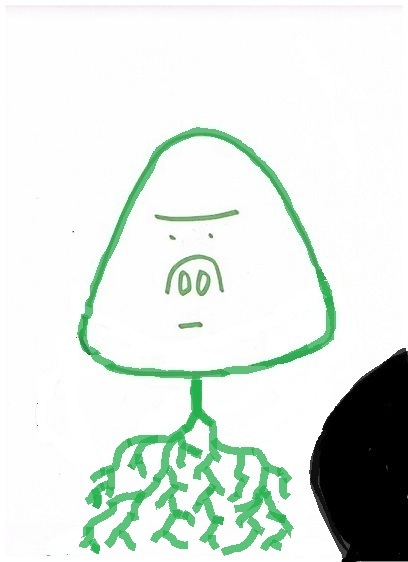
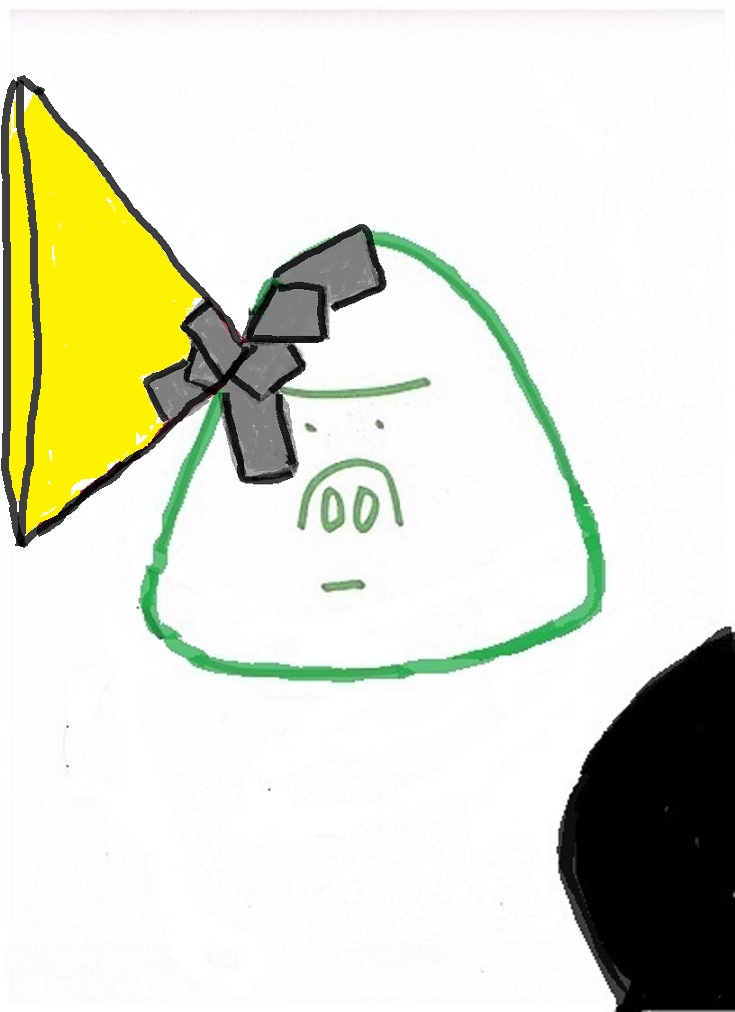
That’s Bert at left, taking a mental health break.

Bert speaking:)

Forgive me if I keep this short. 

I’m in a foxhole, and it’s hard to write here.

It’s a familiar foxhole.  I’ve been here before. 

Steve dug it decades ago, soon after he entered the so-called helping professions.

He was like most neophyte helpers.  He roared into the profession determined to give and give, believing the giving would be its own reward.

And for a long time, it was.

So he gave and gave, and then gave and gave some more.  Then he collapsed.

It wasn’t a dramatic collapse.  He just woke up one morning and found he lacked the energy to get out of bed.

He went to a doctor, who told him he was fine physically.  No illness.  Just tired.

So he dug this place.

It’s not much, just a shallow mental trench that provides shelter from the bombardment of daily life.   A place to crawl into, curl up in, and nap.

Naps, by the way, are wonderful.

If you’re a professional helper — therapist, doctor, nurse, teacher, minister, mom — I hope you have a foxhole. 

I hope it’s deep enough. 

And I hope it’s nearby. 

Which is to say, I hope you’re smart enough to use it.

And if you’re not a professional helper, but a civilian…

 Same thing.

* * *

Want more?


A self-test for burnout.


Ten tips for stress management.

(Yes, I know you know.  You need reminding.)


A stress-relief song.


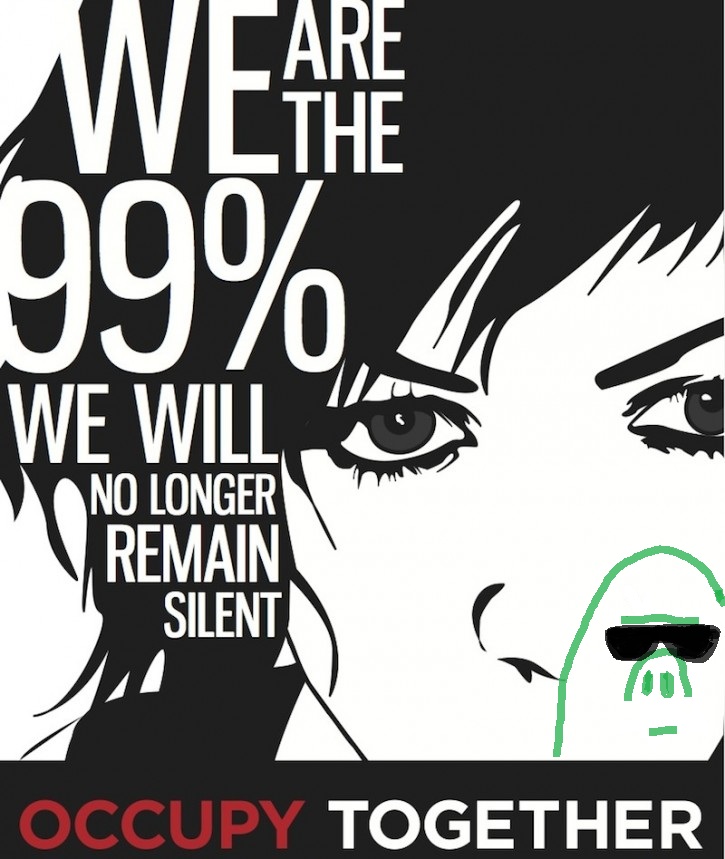
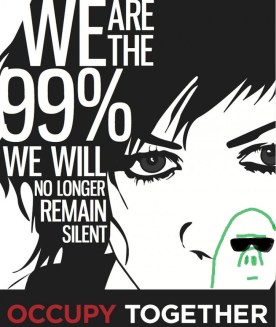
Bert and the 99%

Poster by Raina Dayne.

(If you’re new to Monkeytraps, Steve is a therapist who specializes in control issues, and Bert is his control-addicted inner monkey.

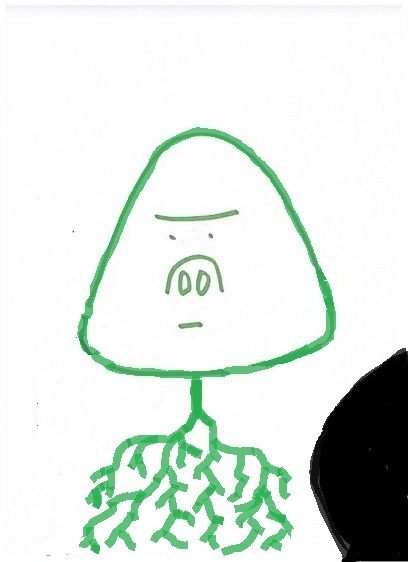
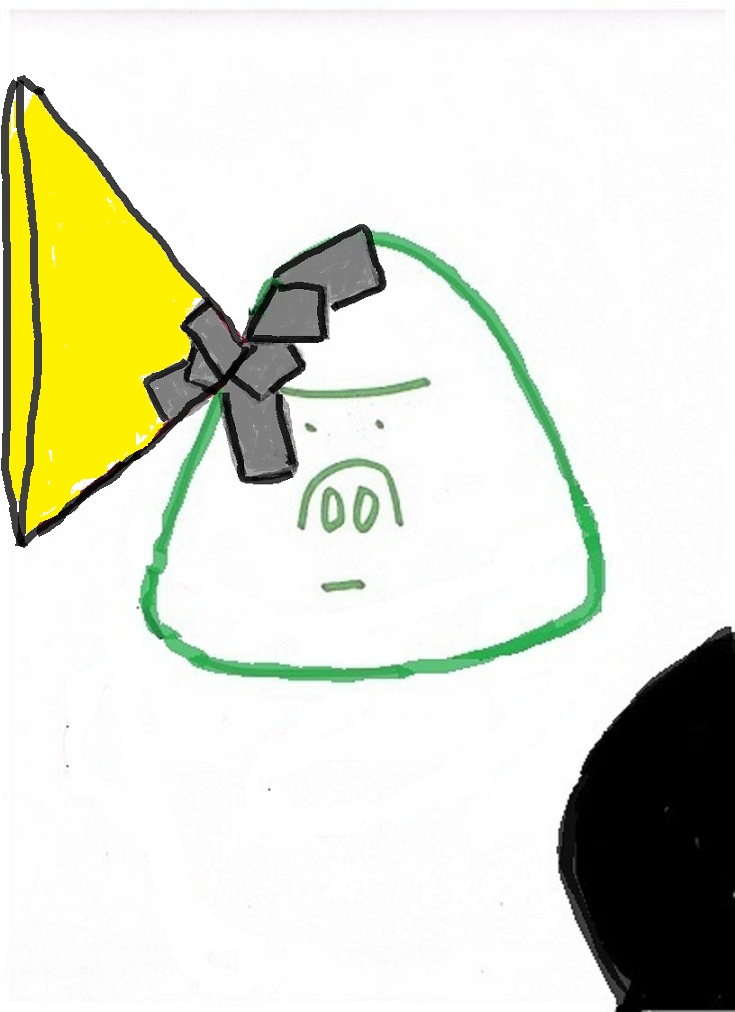
That’s Bert at left, hiding in plain sight.

Bert speaking.) 

Steve and I were watching tv together when we got into a fight about the 99% movement.

On the screen people were marching and chanting and waving signs. 

“I like this,” Steve said.  “It reminds me of the sixties.”

“I remember,” I said.

“Back when I was too chickenshit to march for or against anything.”

“Well,” I said, “it wasn’t safe.”

“You didn’t think it was safe.”

I said nothing.  What could I say?  I’ve always been the scared one.

“Anyway,” he said, “we’re older now.  And I want to come out of hiding.”

“How?”

“I want to plug the 99% movement on the blog.  Maybe start with a video of the poem that guy read last week at Berkeley.”

“I see,” I said calmly. 

Then I leaned over and slapped him across the face.  Hard.

“What was that for?” he asked.

“Are you crazy?” I said.  “What if someone sees it?”

“That’s kind of the point.”

“Well, think about it.  Got any Republican clients?”

“I suppose.  I don’t really know.”

“What if they see it and get angry?  What if they quit therapy?  Or stop referring people to you?”

“That won’t happen.”

“Look around you.  Sure it could.  And anyway, aren’t you supposed to remain, whatchamacallit, anonymous?”

“That was part of my training, yes.  I was also trained to be emotionally authentic.”

“Authentic schmauthentic.  You need to make a living.  And I thought you wanted to start selling stuff online.  Ebooks and such.”

“I do.”

“Well, politicize the blog and you risk alientating half the damn population.  How many ebooks will you sell to people who hate your politics?”

“I hadn’t thought of that,” he said.  “But I don’t want to policitize the blog.  I don’t want to politicize anything.”

But he was starting to look worried.

“I just see people standing up for themselves,” he said, “and I like it.  It’s just what I encourage them to do in therapy.  It’s a  good thing.  Hopeful.  Worth celebrating.”   

We were quiet for a moment.  Then he said,

“You get what’s happening here, right?”

“What?”

“Relapse.”

Shit, I thought. 

I played dumb.  “Into what?”

“Into compulsive controlling.  Into the way you’ve had me live my life up until now.”

I said nothing. 

“Into being scared and careful instead of honest.  Into anticipating the worst, instead of listening to what we feel.  Into the opposite of faith.”

I said nothing.

Then he said, “I thought you were in recovery.  I thought you were tired of hiding.  I thought you wanted to grow past all that.”

Shit, I thought again.

* * *

So here it is: the text of  Josh Healey’s (long) poem, When hope comes back: A poem for the 99%. 

But we suggest you click on the links (it’s in two parts) and hear him read it to the crowd at Berkeley on November 17, 2011.  The sound’s not great, but the energy is memorable.

(And thanks to Susan for sharing this with us.)

_____________________

When Hope Comes Back
(A Poem for the 99%)

when Hope comes back
he will be more than a campaign slogan
and a face on a poster faded red, white, and blue
he will not come from a presidential palace
bought and paid for like a Citibank stock option villa
he will put not forget to put on his walking shoes
and join the picket lines in New York
the bread lines in Baltimore
to shake the calloused hands
of everyone walking by

when Hope comes back
he might be named Barack
but he won’t be named Obama

when Hope comes back
he will be a Black Panther baby
who speaks Spanglish
and cooks Korean tacos
and does 180 sun salutations
to the soundtrack of Zion I
– yes, Hope is hella Bay

when Hope comes back
he will be a UFW farmworker
who loves his fields and his flag
more than he hates his foreman
he will be a runaway foster child
who forgives his parents
he will be an Iraq war veteran
who returns to protest in Oakland again
without tear gas canisters to his head

when Hope comes back
he will come back from the future
in a DeLorean like Michael J. Fox
and show us all the things we’d won
like people swimming across the Rio Grande
for fun rather than survival
and the only student debt being to our livers
rather than to our banks
and then Michael J would take us
for a ride back to the past
and show us this is not our first occupation
Flint, sit-down strikers in ‘36
Alcatraz, American Indian Movement in ‘69
Sproul Plaza, Free Speech Movement in ‘64
and every semester since then that was worth a damn
and reminded Berkeley what it means
to be called Berkeley

when Hope comes back
he will be one of my students
East Asia meets East Oakland
brilliantly cross-continental
even though he hates the ocean
speaks with the wisdom of Buddha and Mac Dre
really, he is my teacher
and I think he knows it
and we’re both ok with that

when Hope comes back
he will actually be a she
because hey, that’s who actually gets shit done
she will be a librarian by day, a DJ by night,
an Occupy activist in between
she will be thick hair and thick hips
and if you try to touch either one
you’ll get a thick hand to the face

when Hope comes back
she’ll show us to burn down the banks in our
hearts and love without lust or profit or restraining orders

when Hope comes back
she will be an OPD cop,
then NYPD, then UCPD,
refusing to follow orders
putting down their riot gear
and picking up a picket sign
cuz when the cops join the 99% they actually belong to
that’s when the banks will have nowhere to hide

when Hope comes back
she will be a midwife
in tune with the moon and the womb
an ancient healer who knows every herb in the redwoods
ready to help us birth a new world
one without bombs or borders or Michelle Bachman
a planet of peoples free to honor the earth
and each other like the God
in whose image we’re still trying to evolve into

when Hope comes back
she will be here
right here, right now
on the streets and plazas and parks
of New York and DC
Milwaukee and Austin
Portland and Nashville
London and Manila and Cairo
San Francisco, Oakland, and Berkeley, CA
with the people and the hashtags
setting up her tent in the morning
paintings banners in the afternoon
attending ridicously long meetings in the evening
shutting down the port of Oakland
and reminding us all that yes,
Hope still lives here in America
she has always lived here with us

and now she is back before our eyes
marching head high, fist higher
and whispering to the millions amongst her,
“Thank you.
Thank you.
You’re bringing me back.
Take my hand,
feel my pulse joined with yours.
Trust my taste on your tongue,
my strength in your lungs,
and let’s see how far we can go
together.”


* * *

Want more?

 

Need answers?

Ask Hugh.

Protest song, by Hugh Laurie.


Thanks

There are only two ways to live your life. One is as though nothing is a miracle. The other is as though everything is a miracle. 

~ Albert Einstein


1

2

3

3

Real life isn’t always going to be perfect or go our way, but the recurring acknowledgement of what is working in our lives can help us not only to survive but surmount our difficulties. 

~ Sarah Ban Breathnach

1

2

3

3


If the only prayer you say in your life is thank you, that would suffice. 

~ Meister Eckhart


 1

2

3

3

Gratefulness is the key to a happy life that we hold in our hands, because if we are not grateful, then no matter how much we have we will not be happy — because we will always want to have something else or something more. 

~ Brother David Steindl-Rast


1

2

3

4


Reflect upon your present blessings, of which every man has plenty; not on your past misfortunes of which all men have some.  

~ Charles Dickens

1

2

3

4

Let us rise up and be thankful, for if we didn’t learn a lot today, at least we learned a little, and if we didn’t learn a little, at least we didn’t get sick, and if we got sick, at least we didn’t die; so, let us all be thankful.

~ Buddha


* * *


Session 25: Hammer

I feel like crap.

1

2

3

4

Why?

1

2

3

4

I’m a failure.

1

2

3

4

How so?

1

2

3

4

 My wife says I’m insensitive, so I feel like a bad husband.

1

2

3

4

therapist (3)

1

2

3

4

I don’t make enough money, so I feel like a financial failure.

1

2

3

4

therapist (4)

1

2

3

4

My son’s failing Math and my daughter’s socially anxious, so I feel like an inadequate father.

1

2

3

therapist (5)

1

2

3

4

I don’t have time or energy to fix what needs fixing at my house, so I feel irresponsible or lazy or something.

1

2therapist (6)

1

2

3

3

4

And you tell me I’m out of touch with my feelings.  So I’m even flunking therapy.

1

2

3

therapist (7)

1

2

3

4

So I feel like crap.

1

2

3

4

therapist (8)

1

2

3

4

A big, fat piece of crap.

1

2

3

4

therapist (9)

1

2

3

4

A huge, stinky…

1

2

3

4

Hold on a minute.

1

2

3

4

bert

1

2

3

4

Might as well do this right.

1

2

3

4

1

2

3

4

Y

Here.

3

4

What’s that?

1

2

3

4

A gift.

1

2

3

4

What’s it for?

1

2

3

a

Give yourself a good whack on the knuckles.

1

2

3

Are you crazy?  That would break my hand.

1

2

3

4

Probably.

1

2

3

4

betr

1

2

3

4

But the pain would go away.  And the hand would heal in about six weeks.

1

2

3

4

What you’re doing now — calling yourself names, labeling yourself a failure…

1

1

2

3

4

bert

1

2

…that’s permanent.  And the pain is endless.

1

1

2

3

bert

1

z

z

At least put a bow on it.


a

a

a

a

 * * *


Session 24: Regression

I think I’m changing my mind.

1

2

3

4

About?

1

2

3

4

Getting in touch with feelings.

1

2

3

4

Oh.

1

2

3

4

I really don’t want to.

1

2

3

4

How come?

1

2

3

4

It’s hard.  It’s uncomfortable.  It’s scary. 

1

2

3

4

Okay.

1

2

3

4

But I also don’t want to lose my wife.  So I need to get more  sensitive to her feelings.

1

2

3

Yes.

1

2

3

4

Isn’t there some way I can listen to hers without listening to mine?

1

2

3

Hm. 

1

2

3

4

bert (7)

1

2

3

4

There may be a way.

1

2

3

4

bert (8)

1

2

3

4

See that drawer on your left?

1

2

3

4

Yeah.

1

2

3

4

Open it.  Find the yellow oaktag and the duct tape.

1

2

3

4

Got them.

1

2

3

4

Give them here.

1

2

3

4

bert (11)

1

2

3

4

Now lean forward, and sit still.

1

2

3

4

bert (12)

1

2

3

4

therapist (12)

1

2

3

4

bert (13)

1

2

3

4

therapist (13)

1

2

3

4

bert (14)

1

2

3

4

Th

1

2

3

4

1

2

3


4

There.

1

2

3

4

S

1

2

3

4

How’s that feel?

1

2

3

4

Artificial.

1

2

3

4

Yes.  Well.  Can’t have everything.

1

2

3

4

I guess.

1

2

3

4

Go forth and listen.

1

2

3

4

5

I think I’m changing my mind again.
1

2

3

4

5

6


 * * *


Session 23: Bull (part 3)

2

“Bull in a china shop.”  What’s that mean?

1

2

3

4

That you don’t know what the hell you’re doing.

1

2

3

4

Emotionally speaking.

1

2

3

4

Right.

1

2

3

4

Because I’m numb to my own feelings.

1

2

3

4

Yes. 

1

2

3

4

Which leaves me insensitive to everyone else’s.

1

2

3

4

You got it.

1

2

3

4

So what do I do now?

1

2

3

4

Well, you start by getting interested.

1

2

3

4

In feelings.

1

2

3

4

That’s right.

1

2

3

4

I’d rather not.

1

2

3

4

I don’t blame you.

1

2

3

4

You don’t?

1

2

3

4

Nah.  Getting into feelings is no picnic…

1

2

3

4

bert (9)

1

2

3

4

…if you’ve spent your life trying to bury them.

1

2

3

4

Do I have a choice?

1

2

3

4

Sure.  There’s always choices.

1

2

3

4

What are mine?

1

2

3

4

You can do nothing, hope your marriage survives and your kids don’t grow up emotionally stunted.

1

2

3

4

bert (12)

1

2

3

4

Or you could graduate from bull to bully. 

1

2

3

4

By…

1

2

3

By insisting that your family accept you as you are.  Some guys try that.

1

2

3

4

Is there a third option?

1

2

3

4

Develop symptoms.  Anxiety or depression, mainly.

1

2

3

4

I’m already started on that one.

1

2

3

4

I know.  Or you could develop an addiction.
1

2

3

4

I don’t drink or drug.
1

2

3

4

There’s always food.  Or work.  That’s a popular choice.  

1

2

3

4

bert

1

2

3

4

Or spend your life in front of screens.  TV, internet.  Games, Facebook, chat rooms, porn.  You know.

1

2

3

4

Yeah.

1

2

3

4

So.  What’s your preference?

1

2

3

4

bert

1

2

3

4

Good choice.

1

2

3

4

* * *


Session 22: Bull (part 2)

bert

1

2

3

4

Remember when I complimented you on developing some empathy?

1

2

3

4

Yeah.

1

2

3

4

I may have spoken too soon.

1

2

3

4

What the hell is “empathy,” anyway?

1

2

3

4

Awareness of another person’s feelings.

1

2

3

4

And I lack that.

1

2

3

4

Apparently.  But it’s not your fault.

1

2

3

4

bert.

1

2

3

4

You’re a man.  Most men are trained to be emotional dunderheads.

1

2

3

4

“Dunderhead”?

1

2

3

4

Emotionally stupid.

1

2

3

4

How does that happen?

1

2

3

4

Well, we teach men to ignore or hide their feelings…

1

2

3

4

bert

1

2

3

4

…so they can go to war and go to work and do other stuff that feelings tend to interfere with.

1

2

3

4

Because big boys don’t cry.

1

2

3

4

Exactly.

1

2

3

4

bert 10

1

2

3

4

And once you lose touch with your own feelings…

1

2

3

4

bert (11)

1

2

3

4

…it’s hard to be sensitive to anyone else’s.

1

2

3

4

Like a wife’s.

1

2

3

4

Yes.

1

2

3

4

So she’s right.  I am insensitive to her feelings.

1

2

3

4

So it would seem.

1

2

3

4

Now I feel like a jerk.

1

2

3

4

I wouldn’t say that.  Just think of yourself as…

1

2

3

4

bert (15)

1

2

3

4

…a bull in a china shop.

1

2

(To be continued.)

x

x

* * *

Want more?

Having spent half his life trying to find fulfillment outside himself, he awakens to discover that it has not worked. For the first time in his life, a man may turn inward for answers.

He may begin to realize that his unhappiness is not caused by his failure to find the right woman or the right career, but by who he is and the way he is living his life.

Rather than blame others, he may ask, “How have I caused this to happen? Perhaps I need to change and develop greater self-awareness before I can have a healthy relationship or a satisfying career.”

This is a very difficult and courageous step for a man to take. Having successfully mastered his life on the outside, he is now forced to acknowledge that he needs help to explore difficulties encountered in his inner life.

From Real men do therapy by Jerry Magaro.

* * *

Most men grow up with an emptiness inside them.  Call it father hunger, call it male deprivation, call it personal insecurity, it’s the same emptiness.

When positive masculine energy  — a male mode of feeling — is not modeled from father to son, it creates a vacuum in the souls of men.  And into that vacuum demons pour.

Among other things, they seem to lose the ability to know how to read situations and people correctly.

Richard Rohr, in From wild man to wise man: Reflections on male spirituality.


Session 21: Bull (part 1)

1

ber

t (1)

1

2

3

4

So, besides your snoring, what else is your wife mad about?

1

2

3

4

She says I’m insensitive to her feelings.

1

2

3

4

Why does she say that?

1

2

3

4

I don’t know.  I’m a pretty sensitive guy.

1

2

3

4

therapist (3)

1

2

3

4

Every birthday I buy her a card.

1

2

3

4

therapist (4)

1

2

3

4

Every anniversary I buy her flowers.

1

2

3

4

therapist (5)

1

2

3

4

Every Valentines Day I buy her chocolates.

1

2

3

4

therapist (6)

1

2

3

4

I even started wearing a snore strip.

1

2

3

4

therapist (7)

1

2

3

4

Which itches.

1

2

3

4

therapist (8)

1

2

3

4

And I go to work and I pay the mortgage and I mow the damn lawn.

1

2

3

4

therapist (9)

1

2

3

4

What else does she expect from me?

1

2

3

4

therapist (10)

1

2

3

4

bert (11)

1

2

3

4

You two talk much?

1

2

3

4

All the time.  We talked tonight.

1

2

3

4

What did you talk about?

1

2

3

4

I said, “I’m leaving for therapy now.”

1

2

3

4

therapist (13)

1

2

3

4

And she said, “Good.”

1

2

3

4

(To be continued.)

* * *


Session 20: Empathy

bert (1)

1

2

3

4

Any thoughts about why you’re depressed?

1

2

3

4

Sure.  Lots.

1

2

3

4

Care to share?

1

2

3

4

I’m unhappily married.

1

2

3

4

What’s that mean?

1

2

3

4

It means I’m married to an angry woman.

1

2

3

4

Does she have reasons to be angry?

1

2

3

4

Sure.  Lots.

1

2

3

4

Work with me here.

1

2

3

4

Okay.  I snore.

1

2

3

4

Ah.  How bad?

1

2

3

4

How would I know?

1

2

3

4

Good point.

1

2

3

4

Bad, she says.  But it’s not my fault.  I don’t mean to.

1

2

3

4

Ever sleep with a snorer?

1

2

3

4

No.

1

2

3

4

Let’s try an experiment.  I’ll be you.  You be your wife.

1

2

3

4

Excuse me?

1

2

3

4

Close your eyes.  Pretend to sleep. 

1

2

3

4

Oh.  Okay.

1

2

3

4

Ready?

1

2

3

4

bert (12)

1

2

3

4

therapist (12)

1

2

3

4

bert (13)

1

2

3

4

therapist (13)

1

2

3

4

bert (14)

1

2

3

4

therapist (14)

1

2

3

4

bert (15)

1

2

3

4

therapist (15)

1

2

3

4

bert (16)

1

2

3

4

therapist (16)

1

2

3

4

b17.

1

2

3

4

therapist (17)

1

2

3

4

b18

1

2

3

4

th18

1

2

3

4


Holy mother of god.

1

2

3

4

th19

1

2

3

4


Why hasn’t she divorced me?

1

2

3

4

Congratulations. 

1

2

3

4


b

1

2

3

4

That feeling is called “empathy.” 

2

3

4

* * *


Session 19: Depressed

bert (1)

1

2

3

4

Feeling depressed?

1

2

3

4

A little.

1

2

3

4

How bad?

1

2

3

4

Mild.

1

2

3

4

therapist (3)

1

2

3

4

My energy is low.

1

2

3

4

therapist (4)

1

2

3

4

My appetite is off.

1

2

3

4

therapist (5)

1

2

3

4

I’m not sleeping well.

1

2

3

4

therapist (6)

1

2

3

4

I’m anxious.

1

2

3

4

therapist (7)

1

2

3

4

I’m irritable.

1

2

3

4

therapist (8)

1

2

3

4

My self-esteem is in the toilet.

1

2

3

4

therapist (9)

1

2

3

4

And I feel like crying.

1

2

3

4

therapist (10)

1

2

3

4

bert (11)

1

2

3

4

Jeez, Bert. 

1

2

3

4

bert (12)

1

2

3

4

That all sounds pretty painful.

1

2

3

4

bert (13)

1

2

3

4

If you call this “mild” depression…

1

2

3

4

bert (14)

1

2

3

4

…what’s “severe” look like?

1

2

3

4

bert (15)

1

2

3

4

Oh.

1

2

3

4

* * *


Session 18: Unstable

bert (1)

1

2

3

4

therapist (1)

1

2

3

4

bert (2)

1

2

3

4

therapist (2)

1

2

3

4

bert (3)

1

2

3

4

therapist (3)

1

2

3

4

bert (4)

1

2

3

4

therapist (4)

1

2

3

4

bert (5)

1

2

3

4

th5

1

2

3

4

bert (6)

1

2

3

4

therapist (6)

1

2

3

4

bert (7)

1

2

3

4

1

2

3

4

bert

1

2

3

4th

So tell me.

1

2

3

4

bert

1

2

3

4th

When did you start…

1

2

3

4

bert

1

2

3

4

…having mood swings?

* * *


Session 17: Guilty

Bad day at work.

1

2

3

4

What happened?

1

2

3

4

Boss yelled at me.

1

2

3

4

And how do you feel?

1

2

3

4

Guilty.

1

2

3

4

Why’d the boss yell?

1

2

3

4

Having a bad day, I guess.  He’s like that.

1

2

3

4

So why do you feel guilty?

1

2

3

4

I don’t know.

1

2

3

4

That’s not guilt you’re feeling.   

1

2

3

4

It’s not?

1

2

No.  It’s anger.  Internalized anger often feels like guilt.

1

2

3

4

It does?

1

2

3

Sure.  Anger’s like poison.  If you don’t spit it out at the person who hurt you, it eats away at you and feels like guilt.

1

2

3

4

I don’t know about that.  I’ve always been a pretty guilty person.

1

2

3

4I see.  Tell me, what’s your boss like?

1

2

3

4

He’s an asshole.

1

2

3

How big an asshole?

1

2

3

4

Big.

1

2

3

4

Big?

1

2

3

4

Enormous.

1

2

3

4

And how’s it feel, working for an enormous asshole?

1

2

3

4

I hate it.  I hate him.  I hate my job.

1

2

3

4

th12

1

2

3

4

Hate hate hate hate hate hate hate hate.

1

2

3

4

therapist (13)

1

2

3

4

bert (14)

1

2

3

4

How you feeling now?

1

2

3

4

Better.  Much better.  Not guilty at all.

1

2

3

4

th

1

2

3

4

Does that always work?

1

2

3

4

When the guilt comes from internalized anger, pretty much.

1

2

3

4

bert (17)

1

2

3

4

By the way, how’s your marriage going?

1

2

3

4

bert (18)

1

2

3

4

* * *

1

2

3

4