*
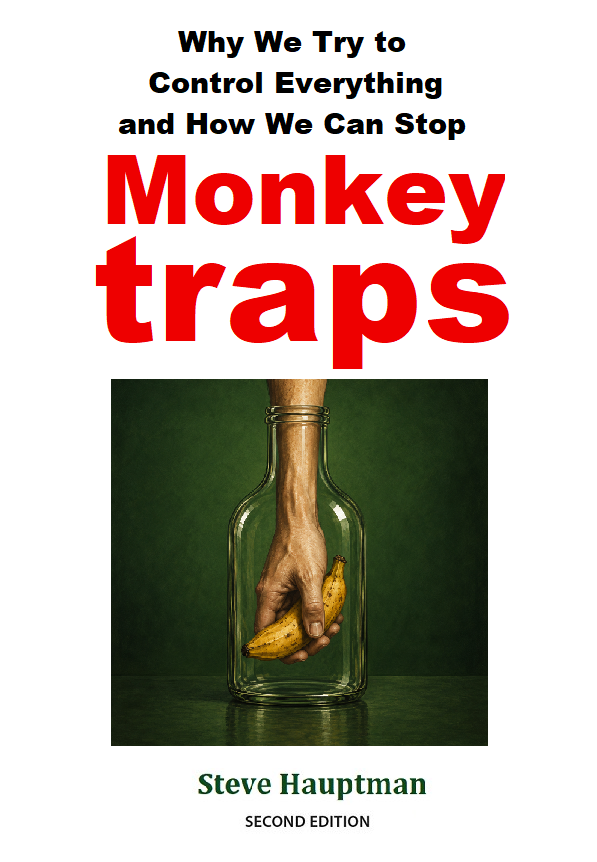
Today begins a new series of posts excerpted from Monkeytraps in Everyday Life: A Guide for Control Addicts (in press). It’s a book about psychological monkeytraps: what they are, how they work, and how recovering addicts can learn to notice when they’ve trapped themselves by trying to control what cannot or should not be controlled.
*
 How to spot a monkeytrap
*
To see what is in front of one’s nose needs a constant struggle.
~ George Orwell
*
The first thing practicing therapy teaches you is that most people don’t know what they’re doing or why they’re doing it.
I include myself in this generalization.
It’s why I became a therapist, in fact. I needed to figure myself out.
I was sick and tired of my symptoms, which were the same ones most people bring to therapy: anxiety, depression, addictive behaviors, botched communications, frustrating relationships.
And I was tired of blundering stupidly, over and over, into the same problems that caused those symptoms.
As it turns out, none of this was my fault.
Nor is it yours.
It’s simply how we’re constructed.
We’re like icebergs. Most of us – most of our feeling and thinking and motivation — is submerged in unawareness.
During a lecture the mythologist Joseph Campbell once drew a large circle on a blackboard and then added a small notch at the top. The circle, he said, represents the total human being. The notch is the part that’s conscious.
Freud, of course, is famous for saying that the goal of psychoanalysis was to make the unconscious conscious.
Carl Jung agreed. “Until you make the unconscious conscious,” he wrote, “it will direct your life and you will call it fate.”
And T.S. Eliot noted that bad poets are usually unconscious where they ought to be conscious and conscious where they ought to be unconscious.
The same might be said of unhappy people.
So the goal of any psychotherapy worthy of the name should be to teach us what we do and why we do it.
And, often, how to stop.
*
Four laws
One way to do this is to become aware of our need for control.
That need was the subject of Monkeytraps: Why Everybody Tries to Control Everything and How We Can Stop (2015), the first in a projected six-book series.
There I defined control as the ability to dictate reality – to rearrange people, places and things according to our needs and preferences.
I described the Four Laws that had become obvious to me over twenty years of practicing psychotherapy:
-
We are all addicted to control.
-
This addiction causes most (maybe all) our emotional problems.
-
Behind this addiction lies our wish to control feelings.
-
There are better ways to manage feelings than control.
And I argued that our emotional lives are governed by these laws from birth until death, whether we realize it or not.
Monkeytraps in Everyday Life illustrates how the first three of these laws operate on a daily basis.
(The fourth law — and the three healthy alternatives to control addiction, which I call surrender, responsibility and intimacy – are discussed at length in Monkeytraps. That discussion of recovery will be expanded in the forthcoming Monkeytraps for Adult Children, Monkeytraps for Couples, Monkeytraps for Parents and Monkeytraps for Therapists.)
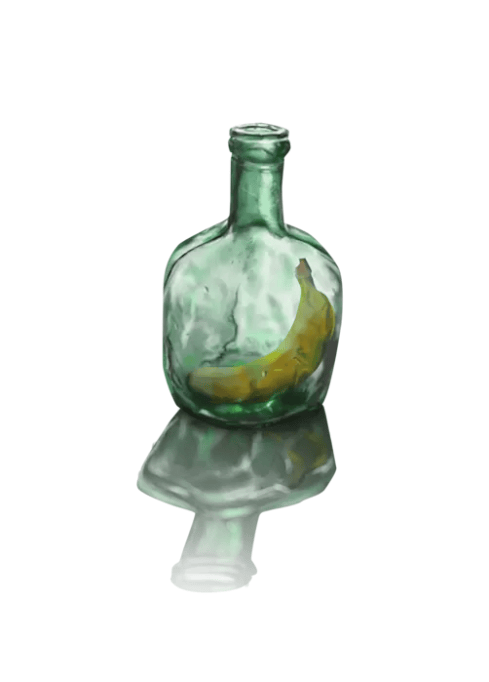
The title of this series comes from a method of trapping monkeys which relies on their inherent monkeyishness. Fruit is placed inside a weighted jar or bottle with a narrow neck. The monkey smells the fruit, reaches in to grab it, and traps himself by refusing to let go.
Psychological monkeytraps catch human beings in essentially the same way. They don’t so much trap us as invite us to trap ourselves.
They do this by (a) making us uncomfortable, which then (b) tempts us into trying to control something which either cannot or should not be controlled — to hold on when we should let go.
Since life is filled with discomforts, it is also filled with monkeytraps.
They range in size from the petty (like the urge to scratch a rash) to the destructive (the urge to dominate others) to the potentially fatal (the urge to numb oneself with drugs or alcohol).
Some monkeytraps are inevitable and unavoidable.
But not all.
And to the person who wants to avoid them, a bit of education can be helpful.
For example, it helps to understand how monkeytraps are constructed.
x
*
Next:
Anatomy of a monkeytrap.
* * *
*
Monkeytraps: Why Everybody Tries to Control Everything and How We Can Stop
is available here.

.
16 Comments | posted in control

.

.

.

.
.

.

.
.
.
.

.

.

.
.

.

.
.
.

.

.

.


.

.
.
.

.

.

.

.

.

.

.

.
.
.

.

.

.

.
.
Leave a comment | posted in control
.
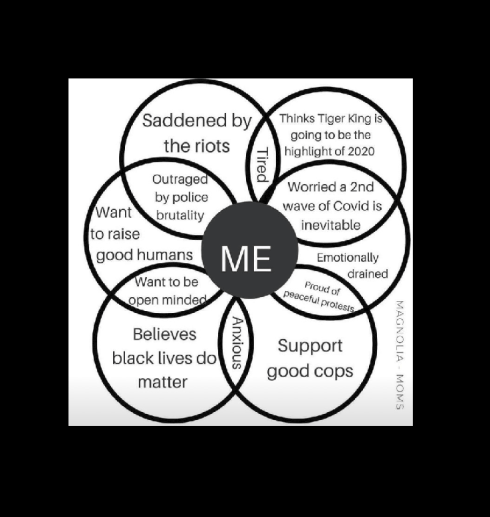
Last week members of my therapy group began discussing how they felt about the recent wave of protests.
It was an unusually emotional conversation, and for some members clearly jarring. Feelings were running high, and I felt the group’s usual sense of safety and empathic acceptance eroding.
We have entered a period when talking with each other about social and political issues has become more important and less avoidable. I see this as a good thing, a necessary thing, for us and our children.
But also challenging, even scary. The hardest part of any healthy dialogue (or relationship) is to make room for everyone’s feelings, needs and perspectives. And some of us, even group therapists, may need help in figuring out how to have such conversations.
I think the article below provides a good starting point.
Feedback welcome.
* * *
How not to say the wrong thing
By Susan Silk and Barry Goldman
The Los Angles Times
April 7, 2013
.
When Susan had breast cancer, we heard a lot of lame remarks, but our favorite came from one of Susan’s colleagues. She wanted, she needed, to visit Susan after the surgery, but Susan didn’t feel like having visitors, and she said so. Her colleague’s response? “This isn’t just about you.”
“It’s not?” Susan wondered. “My breast cancer is not about me? It’s about you?”
The same theme came up again when our friend Katie had a brain aneurysm. She was in intensive care for a long time and finally got out and into a step-down unit. She was no longer covered with tubes and lines and monitors, but she was still in rough shape. A friend came and saw her and then stepped into the hall with Katie’s husband, Pat.
“I wasn’t prepared for this,” she told him. “I don’t know if I can handle it.”
This woman loves Katie, and she said what she did because the sight of Katie in this condition moved her so deeply. But it was the wrong thing to say. And it was wrong in the same way Susan’s colleague’s remark was wrong.
Susan has since developed a simple technique to help people avoid this mistake. It works for all kinds of crises: medical, legal, financial, romantic, even existential. She calls it the Ring Theory.
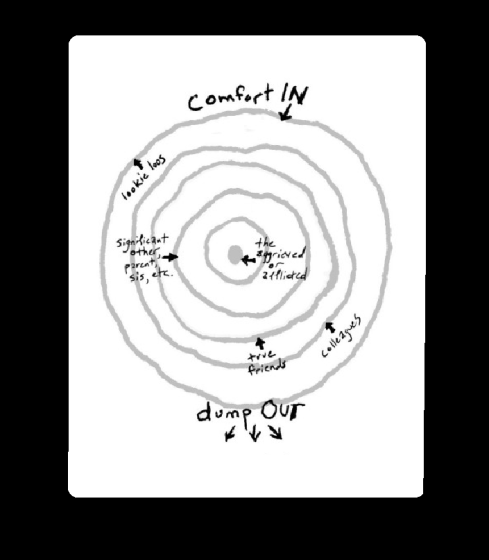
Draw a circle. This is the center ring. In it, put the name of the person at the center of the current trauma. For Katie’s aneurysm, that’s Katie. Now draw a larger circle around the first one. In that ring put the name of the person next closest to the trauma. In the case of Katie’s aneurysm, that was Katie’s husband, Pat. Repeat the process as many times as you need to. In each larger ring put the next closest people. Parents and children before more distant relatives. Intimate friends in smaller rings, less intimate friends in larger ones. When you are done you have a Kvetching
Order. One of Susan’s patients found it useful to tape it to her refrigerator.

Here are the rules. The person in the center ring can say anything she wants to anyone, anywhere. She can kvetch and complain and whine and moan and curse the heavens and say, “Life is unfair” and “Why me?” That’s the one payoff for being in the center ring.
Everyone else can say those things too, but only to people in larger rings.
When you are talking to a person in a ring smaller than yours, someone closer to the center of the crisis, the goal is to help. Listening is often more helpful than talking.
But if you’re going to open your mouth, ask yourself if what you are about to say is likely to provide comfort and support. If it isn’t, don’t say it.
Don’t, for example, give advice. People who are suffering from trauma don’t need advice. They need comfort and support. So say, “I’m sorry” or “This must really be hard for you” or “Can I bring you a pot roast?” Don’t say, “You should hear what happened to me” or “Here’s what I would do if I were you.” And don’t say, “This is really bringing me down.”
If you want to scream or cry or complain, if you want to tell someone how shocked you are or how icky you feel, or whine about how it reminds you of all the terrible things that have happened to you lately, that’s fine. It’s a perfectly normal response. Just do it to someone in a bigger ring.
Comfort IN, dump OUT.
There was nothing wrong with Katie’s friend saying she was not prepared for how horrible Katie looked, or even that she didn’t think she could handle it. The mistake was that she said those things to Pat. She dumped IN.
Complaining to someone in a smaller ring than yours doesn’t do either of you any good. On the other hand, being supportive to her principal caregiver may be the best thing you can do for the patient.
Most of us know this. Almost nobody would complain to the patient about how rotten she looks. Almost no one would say that looking at her makes them think of the fragility of life and their own closeness to death. In other words, we know enough not to dump into the center ring. Ring Theory merely expands that intuition and makes it more concrete: Don’t just avoid dumping into the center ring, avoid dumping into any ring smaller than your own.
Remember, you can say whatever you want if you just wait until you’re talking to someone in a larger ring than yours.
And don’t worry. You’ll get your turn in the center ring. You can count on that.
Susan Silk is a clinical psychologist. Barry Goldman is an arbitrator and mediator and the author of “The Science of Settlement: Ideas for Negotiators.”
3 Comments | posted in control

.
.

.

.

.

.
. .

.
.
.
.

.

.

.

.

.

.

.

.

.

.

.

.

.

.
.

.

.

.

.

.
.

.

.

.

.

.

.
.

.
.

.
.

.

.

.

.

.
.
.

.
.
.
.
.

.
.

.
.

.
.
.
.
.
Leave a comment | posted in control

.

.

.

.

.

.

.
.

.

.
.

.

.
.

.
.
.
.

.

.

.

.

.
.
.

.

. .

.

.
.
 .

.

.

.

.
.
.

.

.

.
.
.
2 Comments | posted in control

.

.

.
.

.
.
.
.

.
.

.

.
.
.

.

.

.
.

.

.

.
.

.
.

.

.

.

.

.
.

.
.

.
,

.
.
.

.
.

.

.

.

.

.
2 Comments | posted in control
* * *
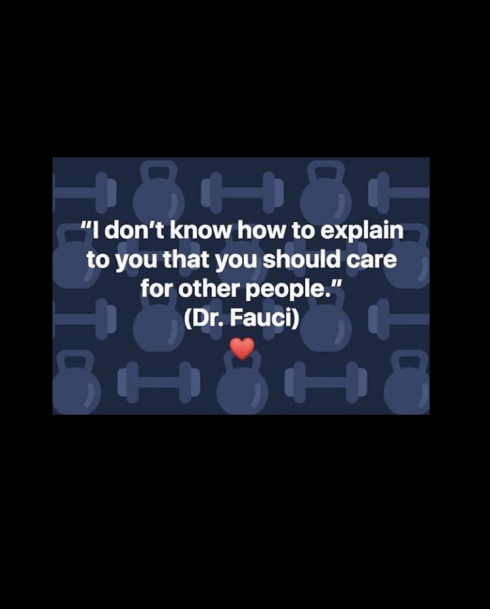
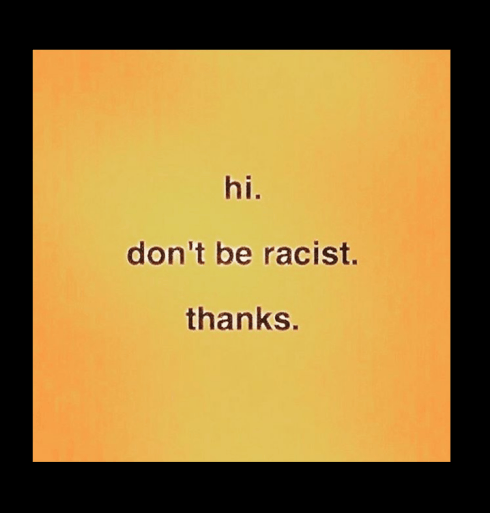
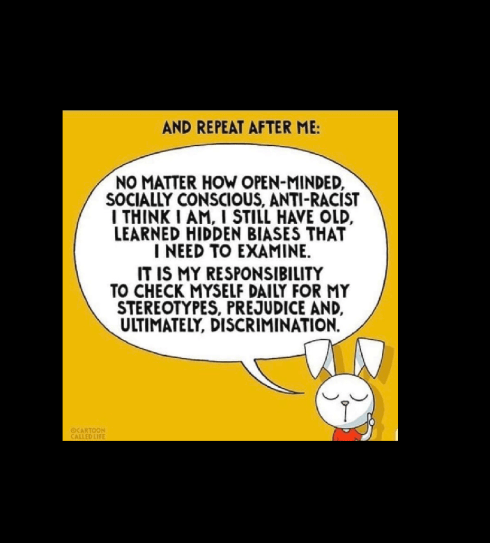
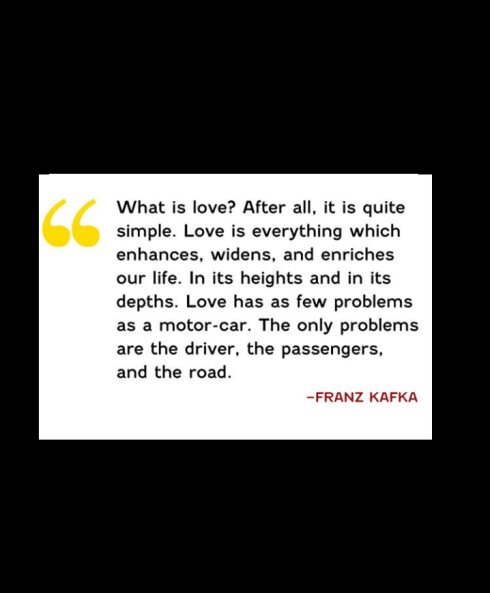
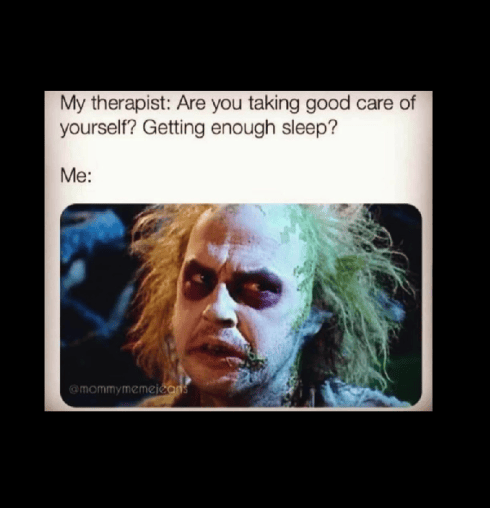
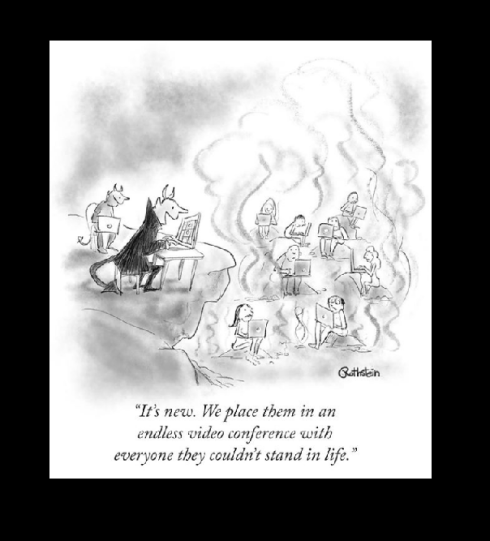
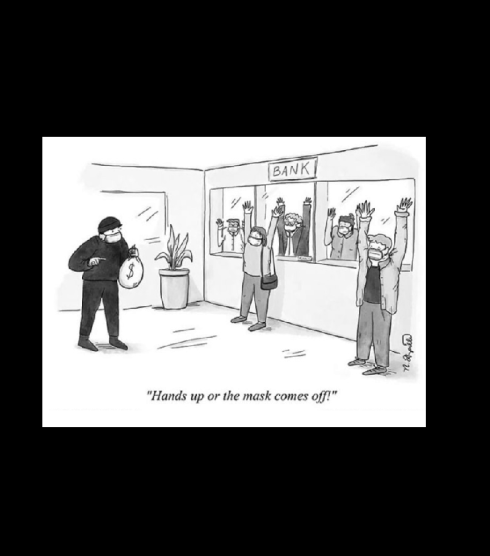
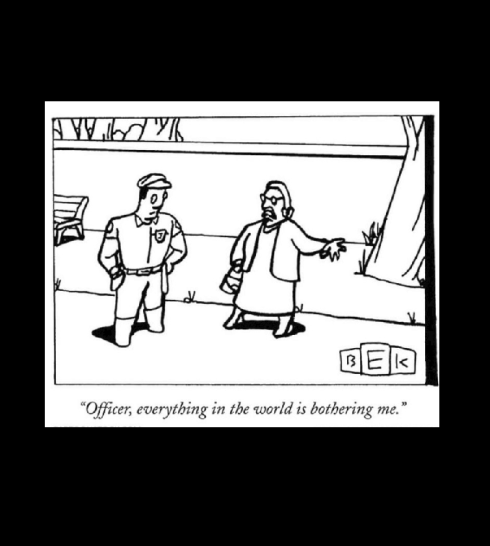
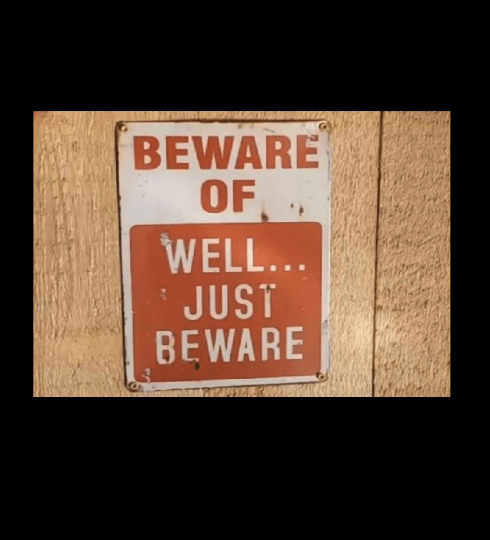
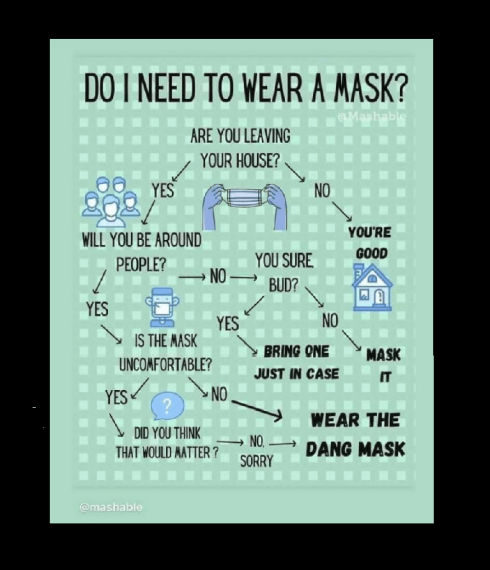
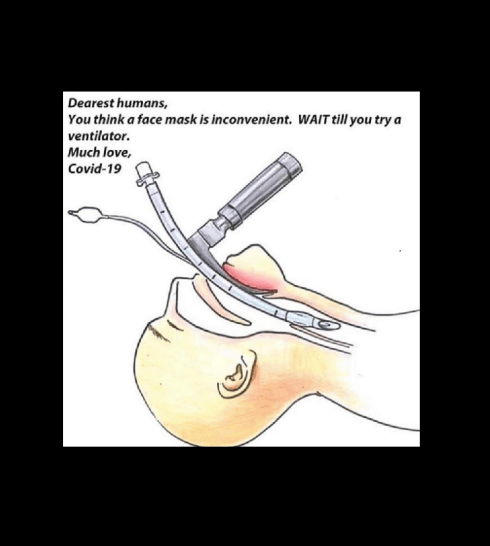
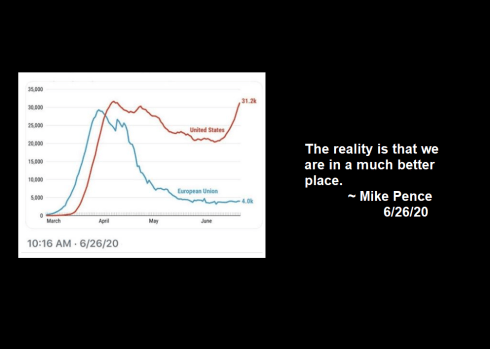
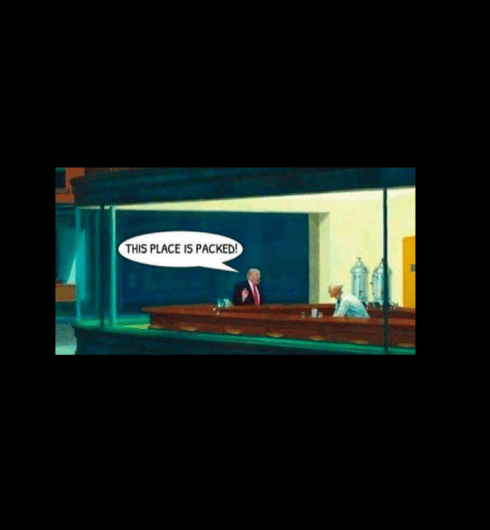
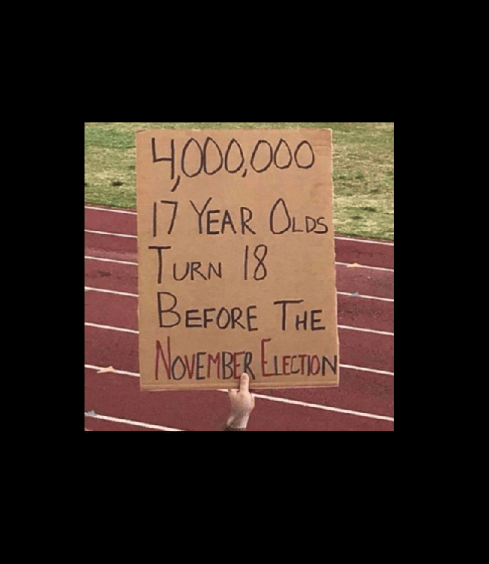
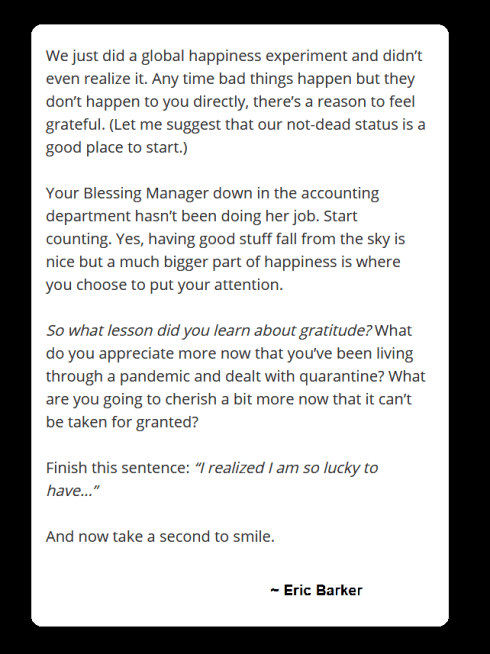
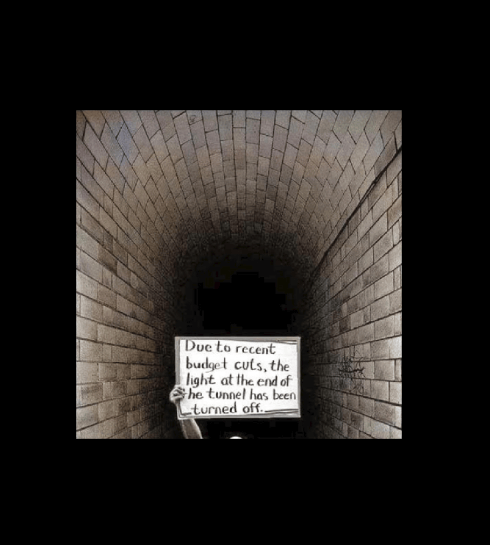
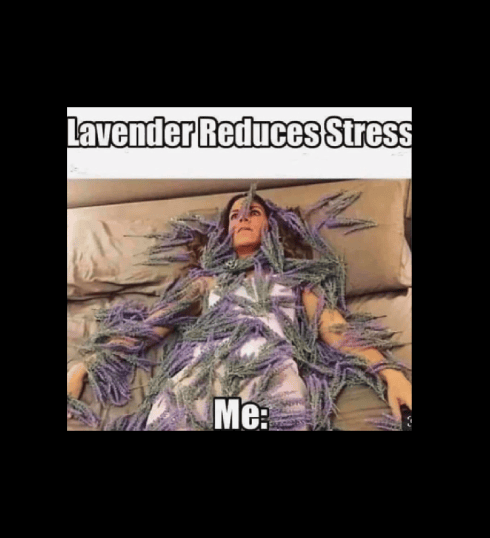
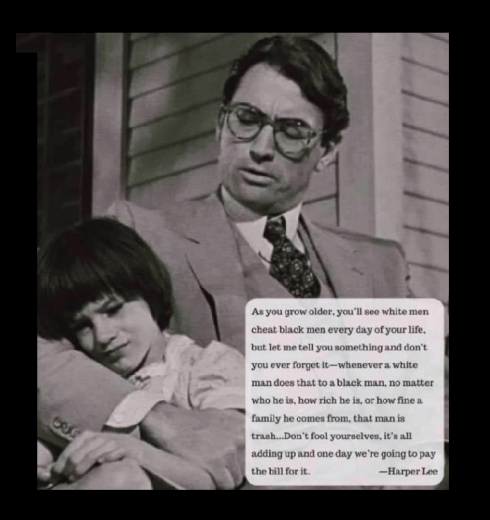
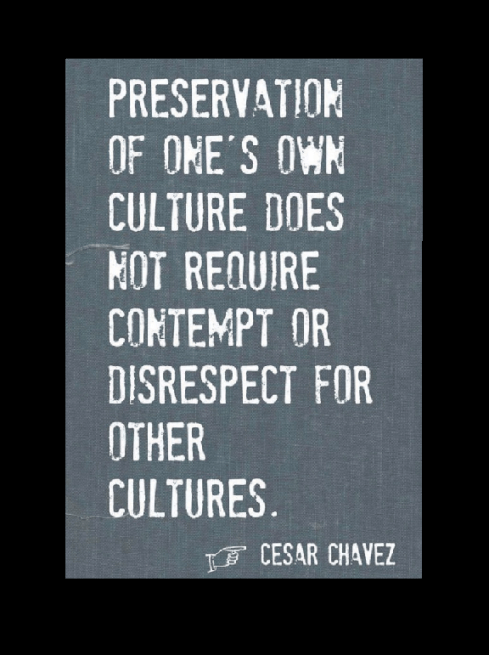
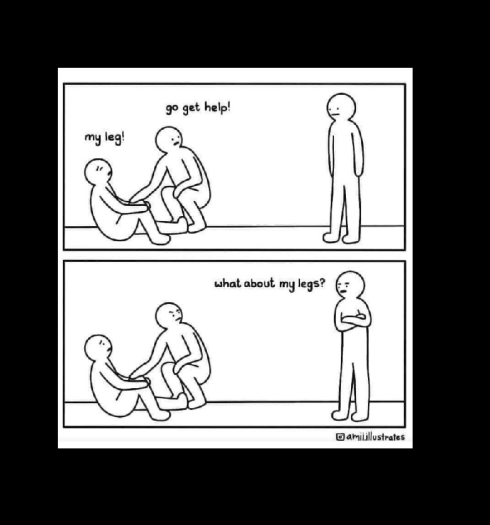
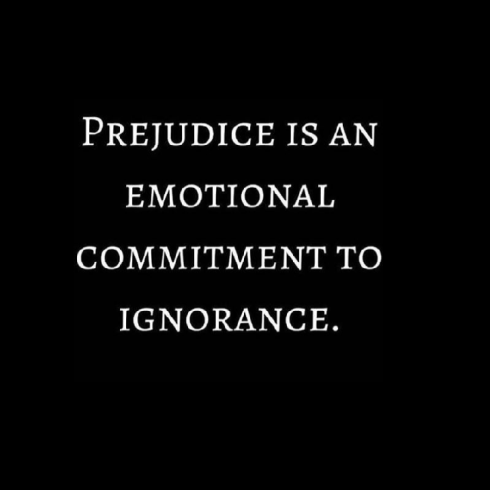
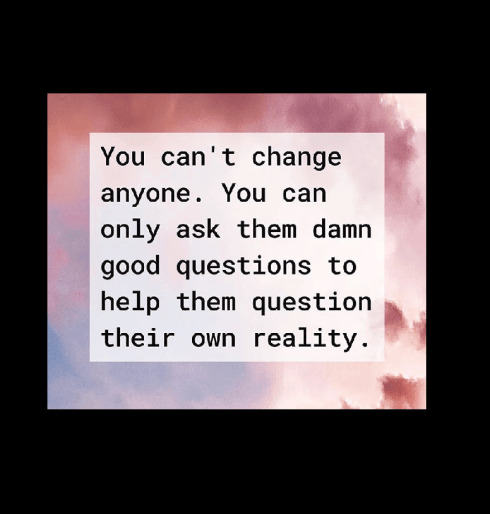
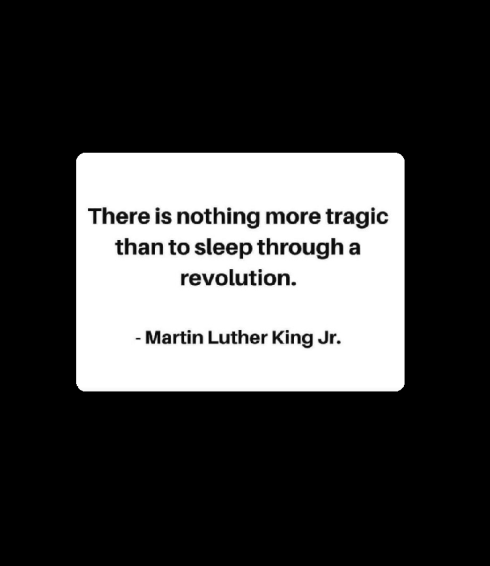
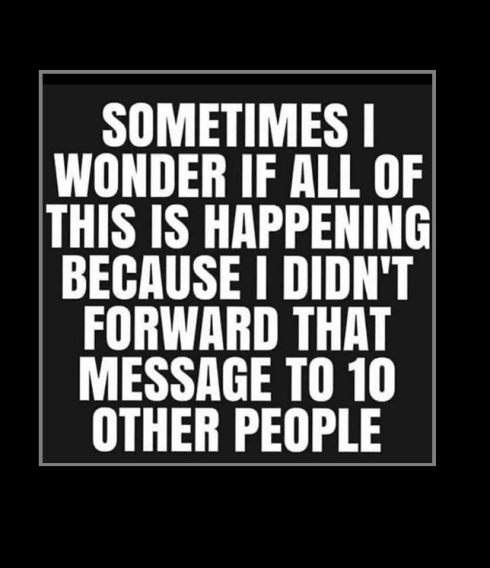
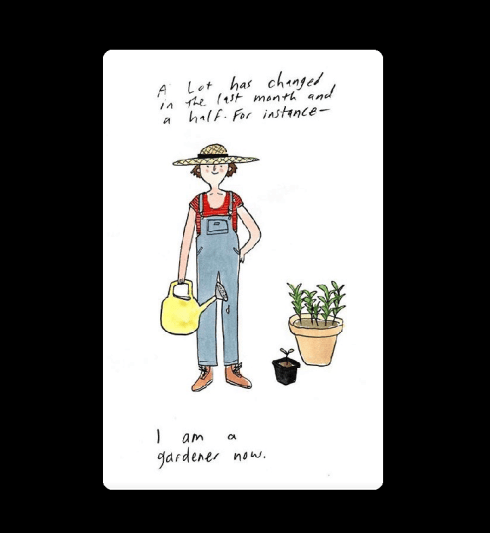
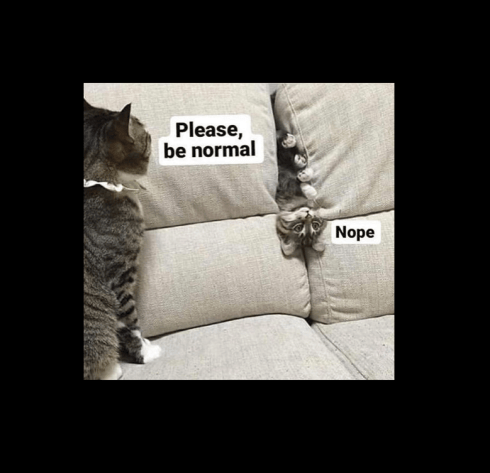
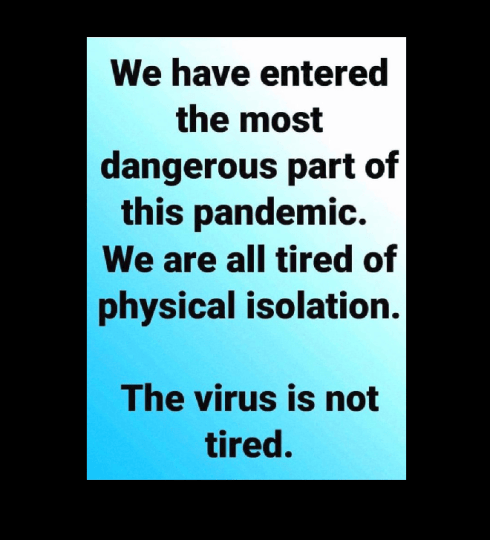
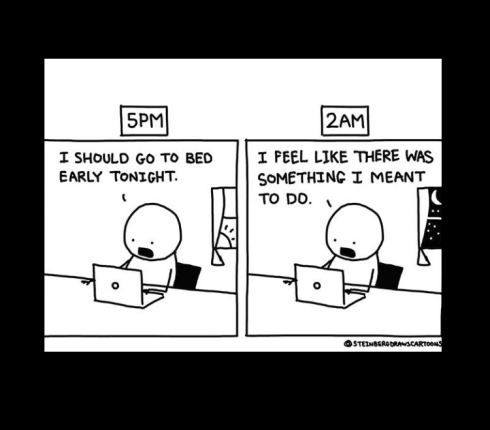
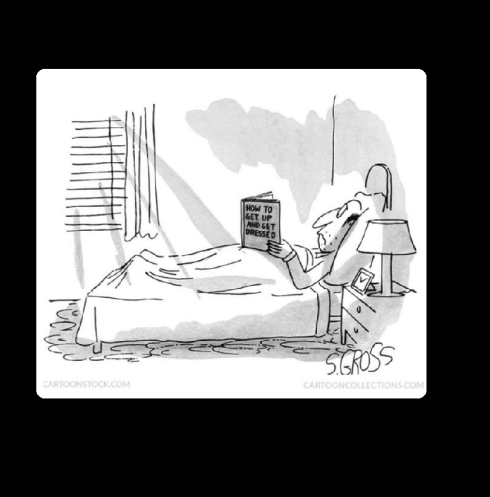
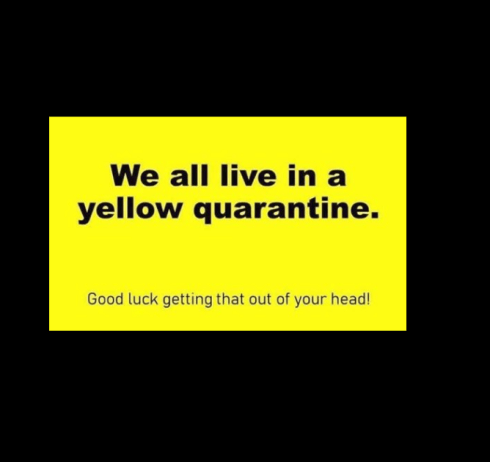
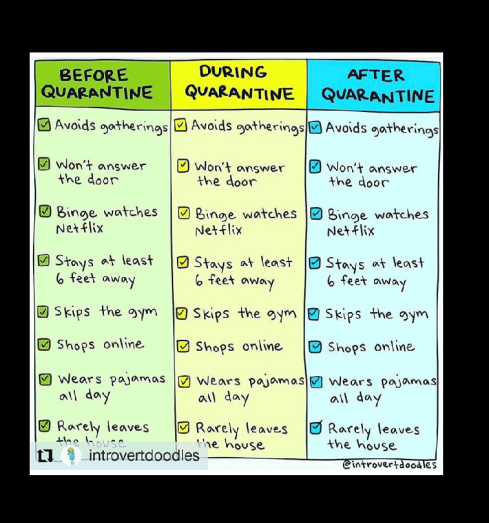
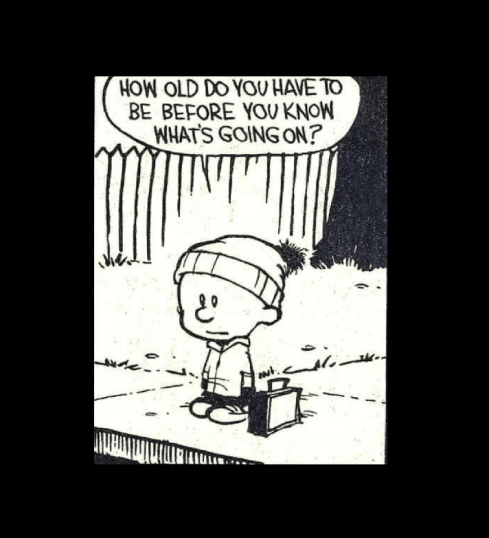
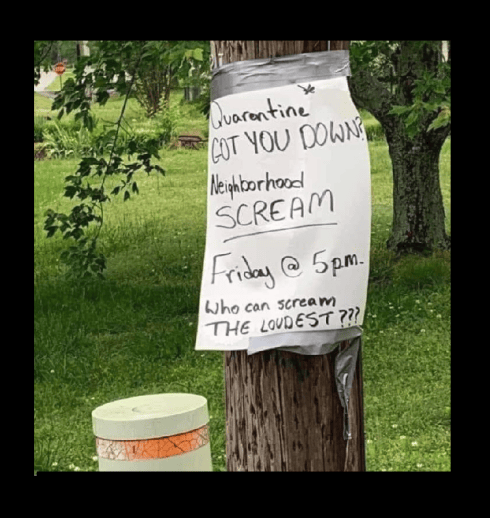
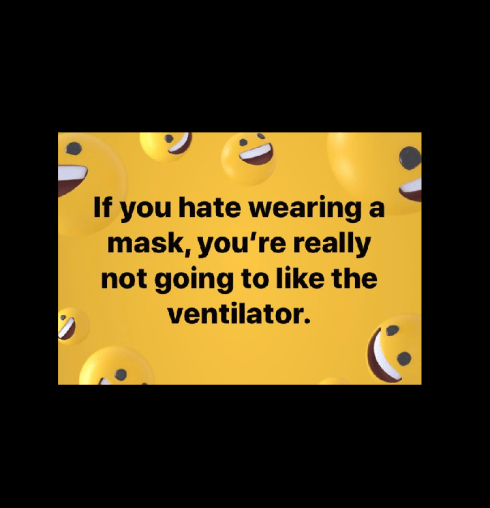
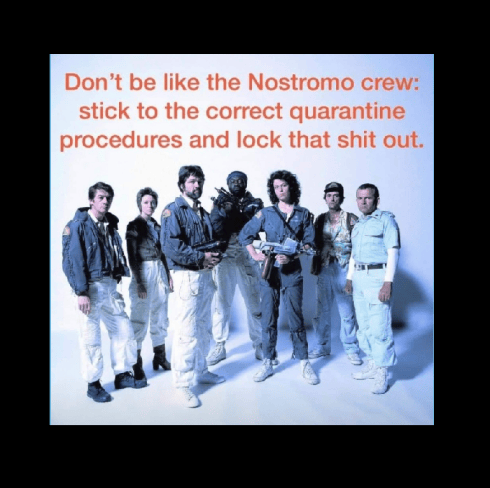
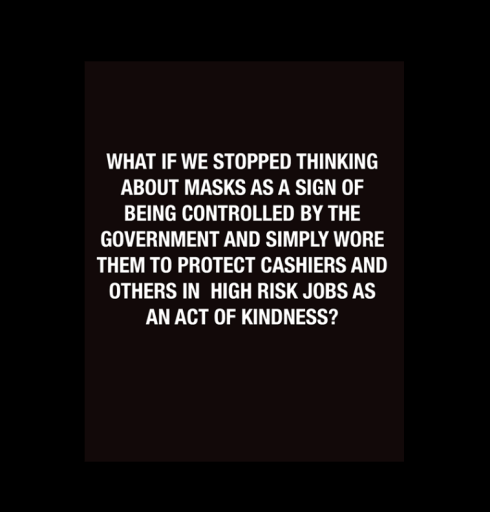
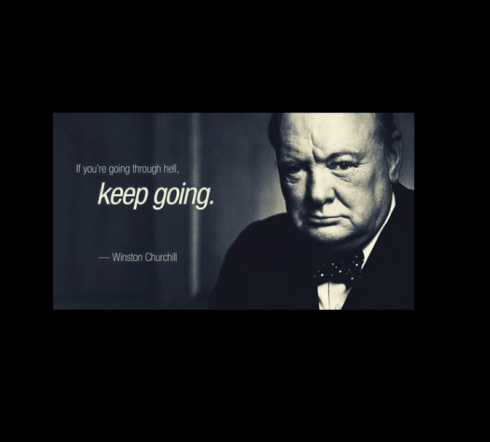
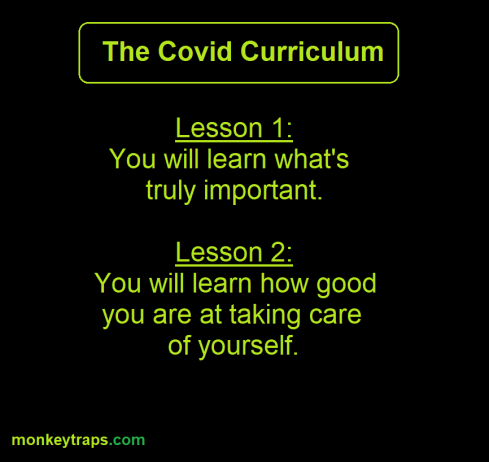
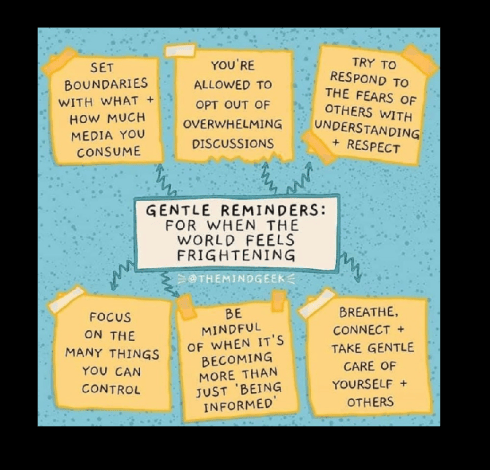
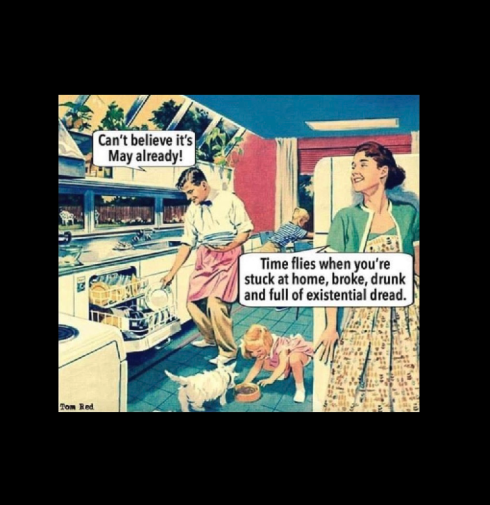
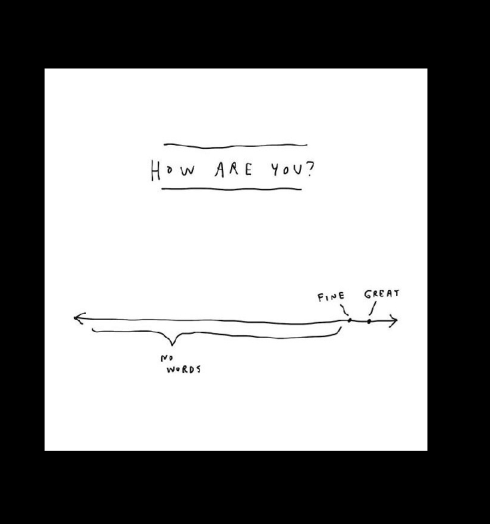
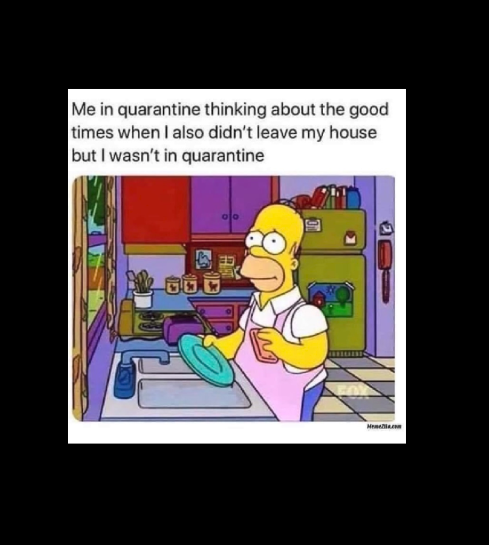
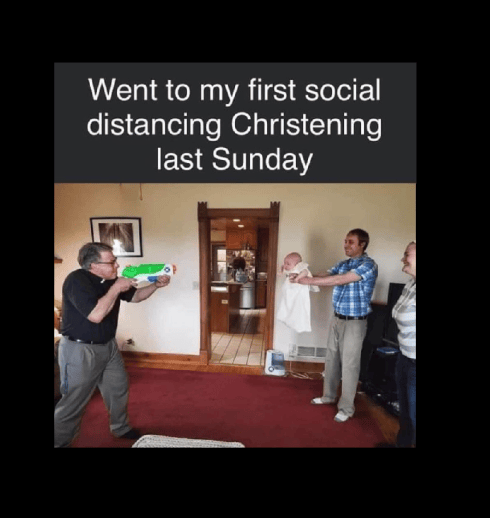
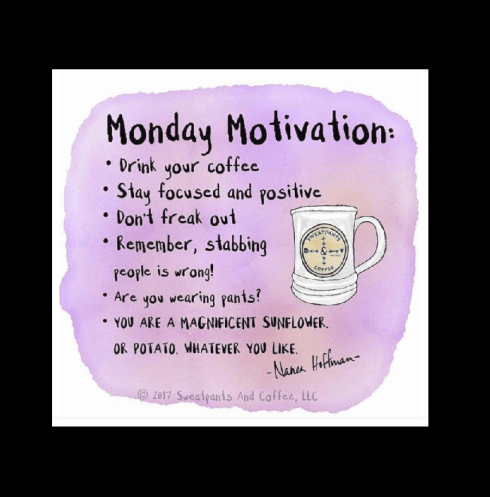
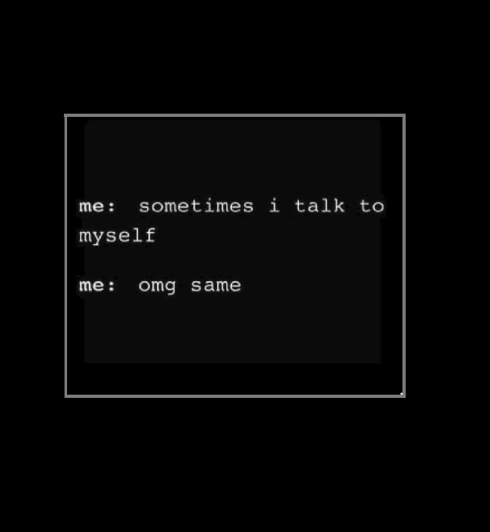
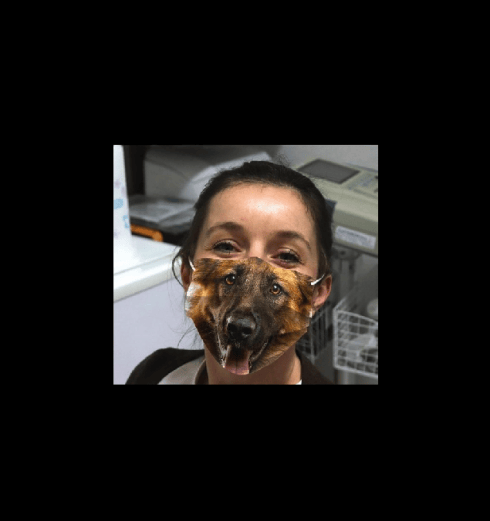
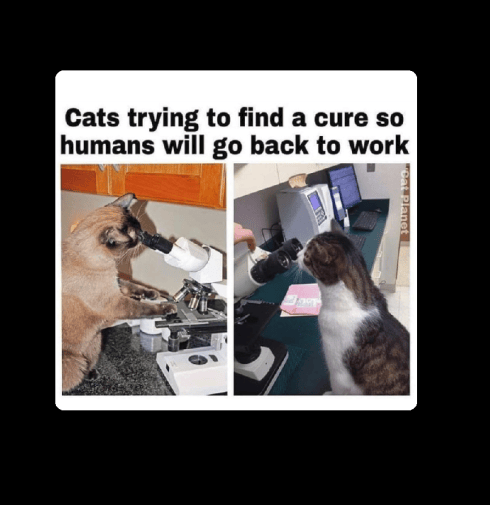
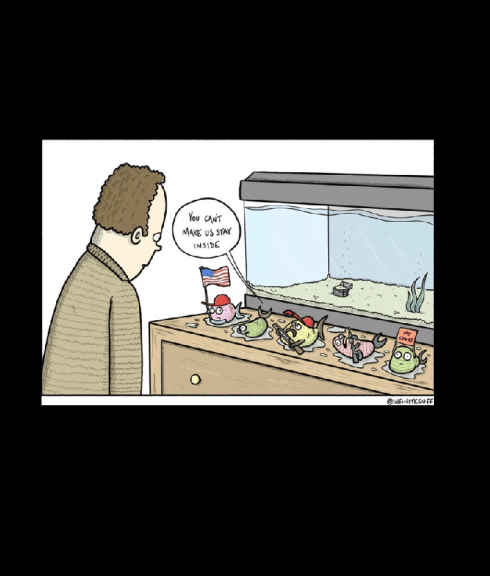
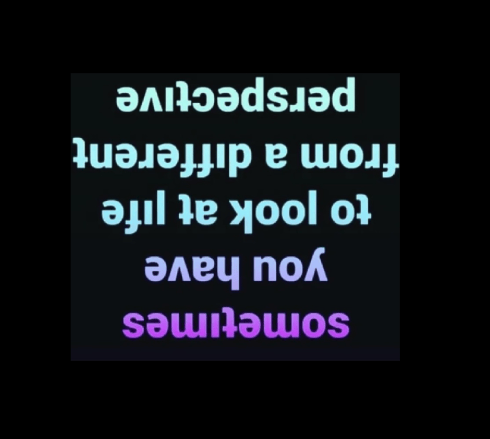
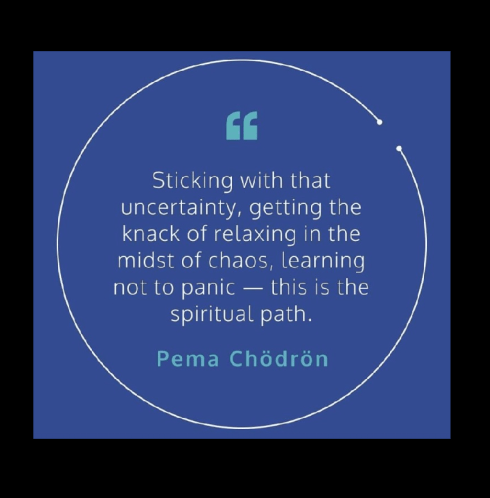
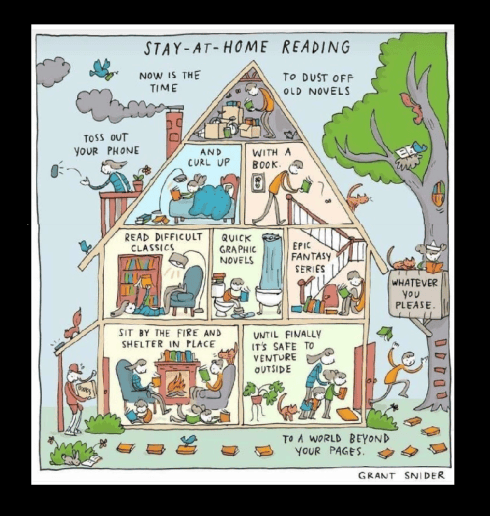
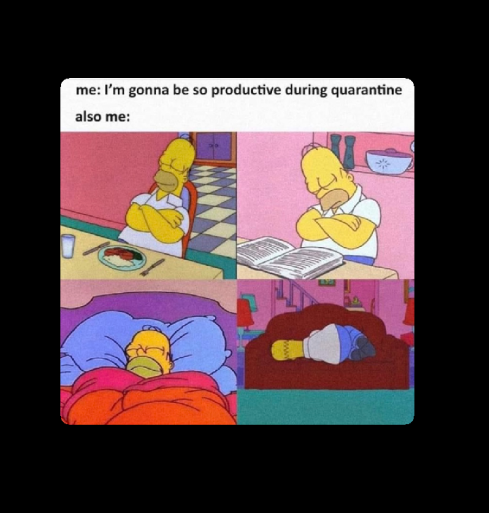
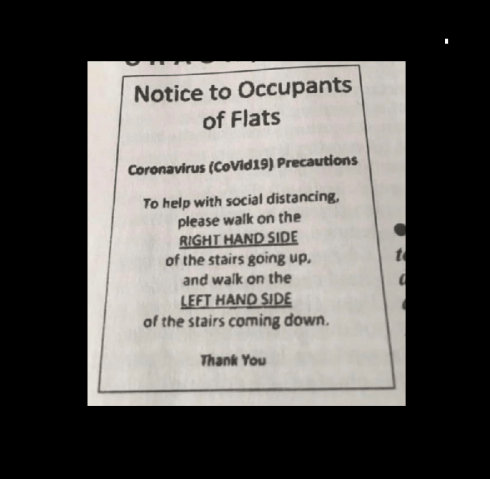
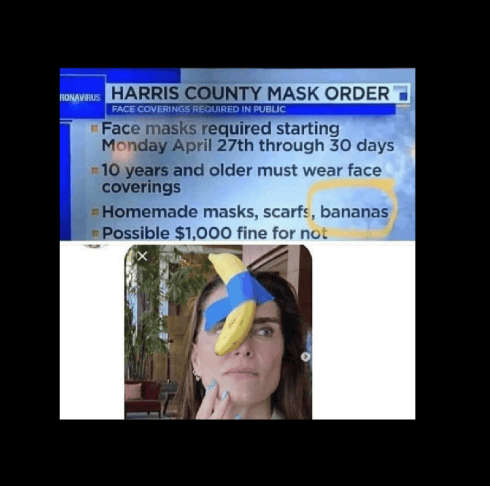
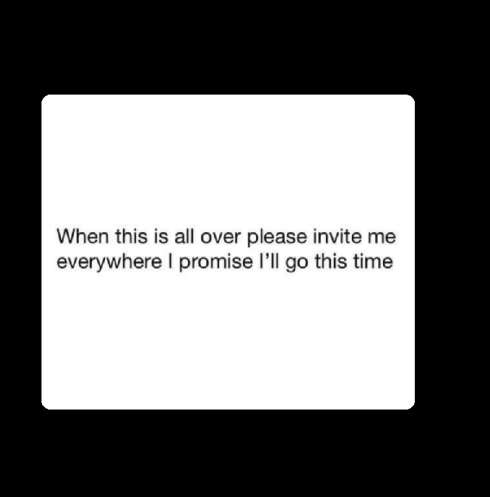
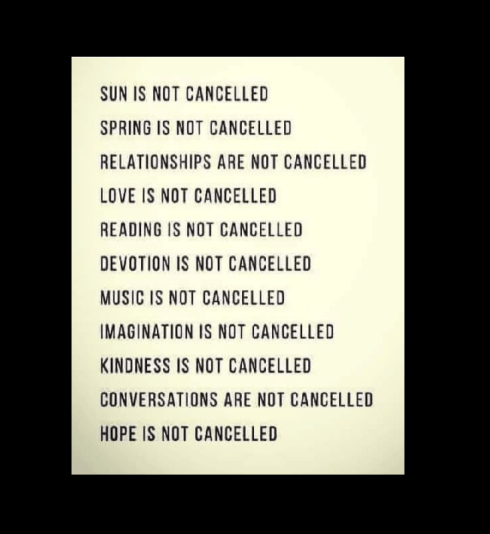
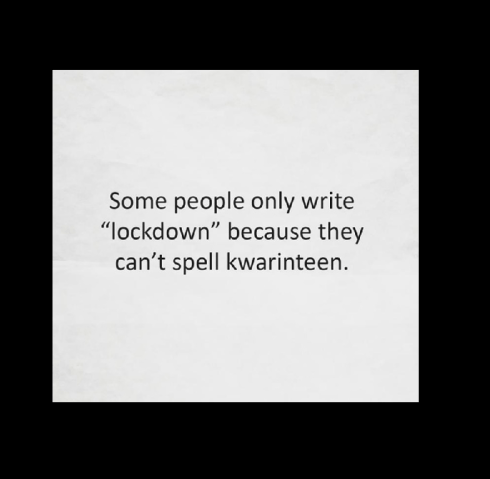
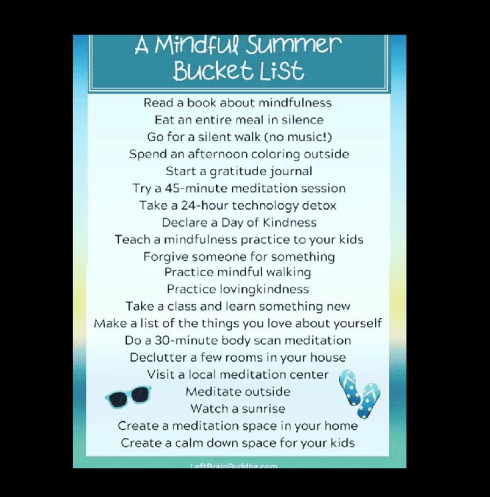
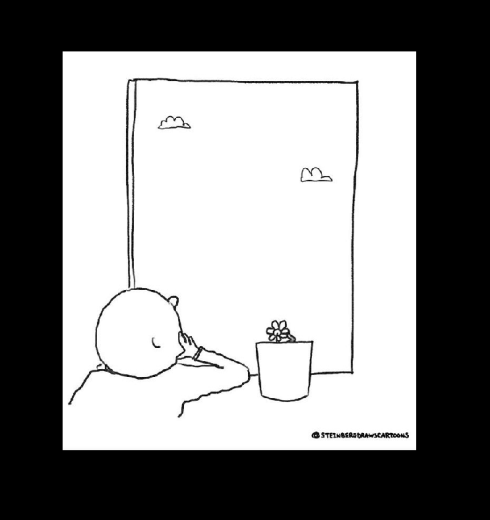
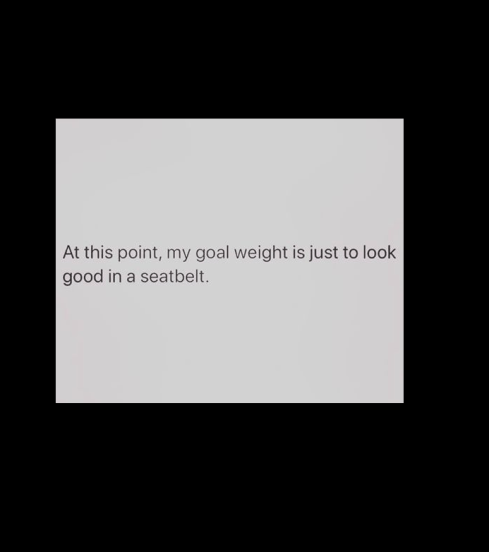
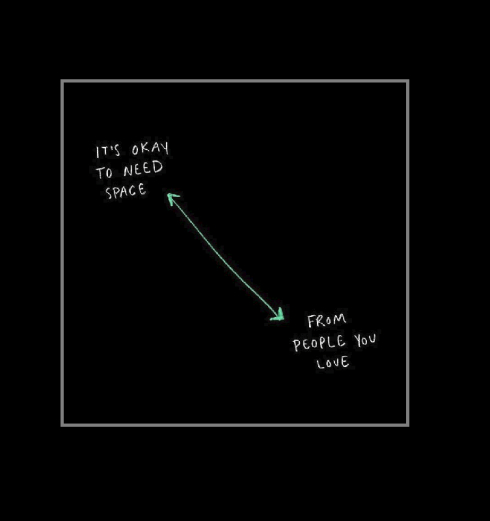
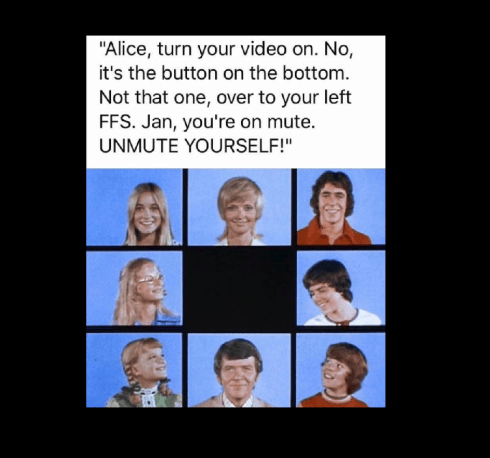
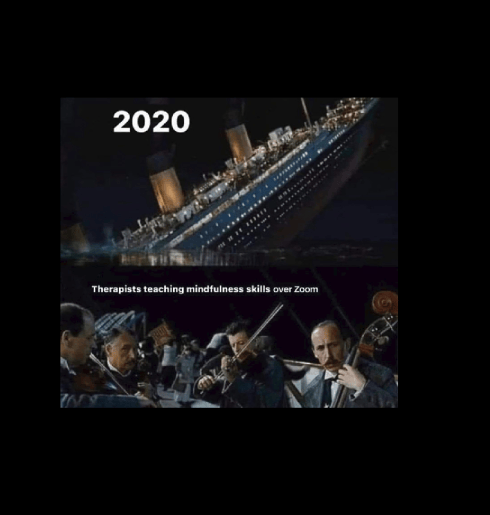
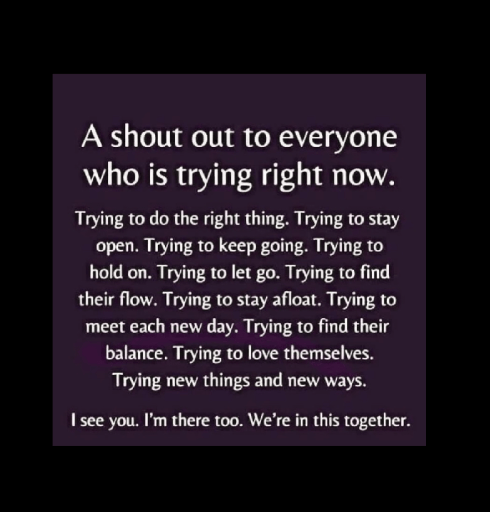
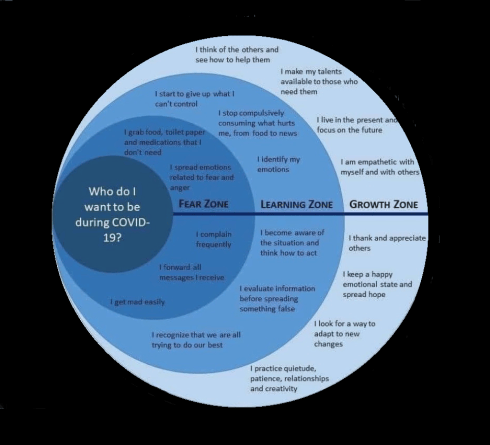
The week in memes:

.

.
.


.

.

.

.
.

.
.

.

.
.
.

.

.
.

.
.

.
.

.

.

.
.
.

.

.

.

.
.

.
.

.

.

.

.
.

.

.

.

.
.

.

.
1 Comment | posted in control

.

.

.

.

.
.

.
.

.
.

.
.

.

.

.
.
.
.
.

.

.
.

.
.

.
.
.
.
.

.

.

.
.
.

.
.
3 Comments | posted in control

.

.
.
.

.

.
.
.
.

.
.

.
.

.

.

.

.
.

.
.
.

.

.
.
.

.

.
.

.

.

.
.
.
Quarantine Mix, Long Island

.
.
2 Comments | posted in control