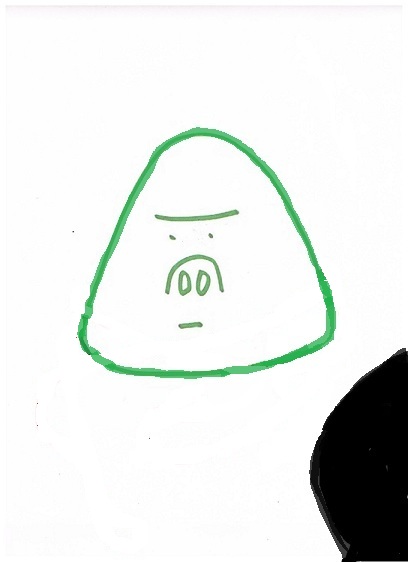
Session 38: Monkey

I have a question.

1

2

3

Shoot. 

1

2

3

What’s my single biggest problem?

1

2

Addiction to control.

1


2

3

Not depression?

1

2

Well, that’s related to the addiction.

1


2

3

Not anxiety?

1

2

Related to the addiction.

1


2

3

My overeating?

1

2

3

Related.

1

2

3

My overworking?  Fear of other people?  Fear of my wife?

1

Related.  Related.  Related. 

1

2

3

All my problems are related to control addiction?

1

2

Pretty much.

1


2

3

I sound pretty screwed up.

1

2

Actually you’re pretty ordinary.

1


2

3

How so?

1

2

We’re all addicted to control.  And it causes most of our emotional problems.

1

2

3

Explain.

1

2

There’s a part of each of us that craves control. 

1

2

3

bert-11

1

2

It’s always awake, usually scared, and constantly trying to control stuff.

1

2

3

What stuff?

Everything.  External stuff, like people, places and things.  And internal stuff, like our own feelings, thoughts and behavior.

1

2

3

Because it can’t accept reality as it is, it spends all its time fighting reality.  Which, of course, is a war it can’t win.  Which leaves us depressed, anxious and addicted.

1


2

3

bert-14

1

2

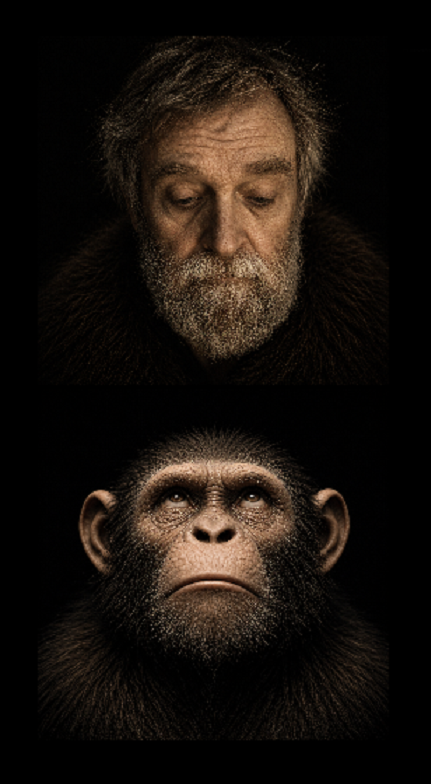
I call this part the Inner Monkey. 

1


2

3

Interesting.  But it doesn’t sound like me at all.

1

2

3

therapist-15

1

2

3

bert

1

2

3

therapist-16

1

2

3

bert-17

1

2

Have you looked in a mirror lately? 

1

2

3

* * *


Session 37: Garbage

I remember my panic attack on the first day of kindergarten.

1

2

3

therapist-1

1

2

3

I remember the bully who made me eat ants on the playground.

1

2

3

therapist-2

1

2

3

I remember dad getting drunk and fighting my uncle on our front lawn.

1

2

3

therapist-3

1

2

3

I remember running away from summer camp because I was so homesick.

1

2

3

therapist-4

1

2

3

I remember telling a girl I loved her, and her answering “Thanks.”

1

2

3

What the hell are you doing?

1

2

3

Remembering.

1

2

3

Why?

1

2

3

I don’t know.  Bad memories just come up when I feel stressed.

1

2

3

Well, stop chewing on them.

1

2

3

Why?

1

2

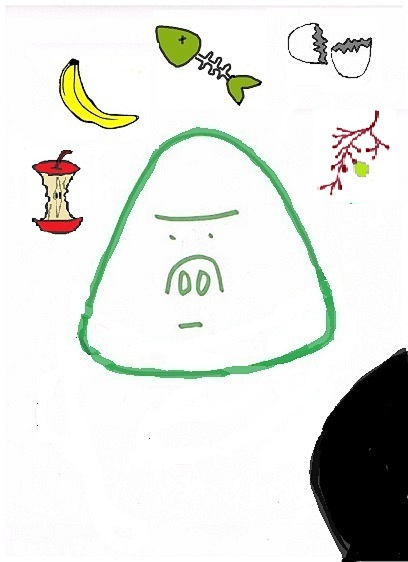
It’s bad mental hygiene.  You’re like a cat poking through a garbage can.

1

2

3

So?

1

2

There’s nothing nourishing there.  And you’ll just stink up your present.

1

2

3

But I’m only…thinking.

1

2

Not really.  Most of what we call thinking isn’t thinking at all.

1

2

3

What is it, then?

1

2

Random mental activity.  Automatic, aimless, illogical.  Remembering, projecting, ruminating…

1

2

3

bert-12

1

2

…obsessing, fantasizing, worrying — waste of time, mostly.  Some of it does more harm than good.

1

2

3

How?

1

2

By triggering bad feelings that have absolutely nothing to do with your current reality.

1

2

3

Oh.  That.

1

2

It’s the main reason we’re such neurotic monkeys.

1

2

Can I do anything about it?

You can train your mind.  Meditation’s the best long-term solution.  And there are short-term tricks you can learn, like Thought Stopping.  But remember two things.

1

2

3

What two things?

1

2

Your mind has a mind of its own.  And even the sanest mind is a little nuts.

1

2

3

So…

1

2

3

So chew gum, not garbage.

* * *


Session 36: Balls

bert 1

1

2

3

How are you?

1

2

3

Overwhelmed.

1

2

3

By what?

1

2

3

The usual.  Work.  Bills.

1

2

3

therapist-3

1

2

3

The marriage.  The kids.  The house.

1

2

3

therapist-4

1

2

3

Plus a hundred other things.

1

2

3

therapist-5

1

2

3

The leak under my sink.  The hole in my roof.  The racoon in my attic.

1

2

3

therapist-6

1

2

3

My car needs a tuneup.  My lawn needs reseeding.  My dog needs a vet.

1

2

3

therapist-7

1

2

3

I’m fat and should exercise.  I’m anxious and should meditate.  I eat crap and not enough vegetables.

1

2

3

therapist-7

1

2

3

And on and on and…

1

2

You do seem to be juggling a lot right now.

1

2

3

bert-9

1

2

How have you handled this is the past?

1

2

I try to keep all the balls in the air.

1

23

How’s that work? 

1

2

 3

I exhaust myself.  The balls drop.  I get depressed.

1

23

I see.  Want a suggestion?

1

2

3

Please.

1

2

3

Drop the balls now.

1

2

3

Deliberately?

1

2

Yes.  For today.  Drop all but two.

1

2

3

Which two?

1

2

First, get more rest.  Second, lean on someone. 

1

2

3

Lean how?  On who?

1

2

3

Someone who’ll give you permission to be selfish.  

1

2

3

Isn’t selfish bad?

1

2

No, selfish is essential.  Selfless is bad.  Depression’s worse.

1

2

Can I lean on you?

1

2

3

Sure.  

1

2

3

bert

1

2

3

Now go take a nap.

1

23 

* * *


The birth of Bert

(Steve speaking:)

Not long ago a new Monkeytraps reader sent me an email asking, “So where did Bert come from, anyway?” 

I took that as an invitation to repost Bert’s story of his own birth, which originally appeared here in 2011 in two parts under the clever title “Bert’s born.” 

It’s a little long.  But Bert likes to tell it because, well, it’s about him.  And as we say,  scratch a codependent, find a narcissist.

*

Steve was born in 1950.

Me, I’ve no idea when I was born. I do, however, remember my first public appearance.

It was on Steve’s first day of kindergarten.

Actually no, it was Visiting Day, the spring before kindergarten started, when kids visited for half a day to get their first taste of public education.

Steve has vague memories of the classroom — bright banks of windows, colored plastic chairs, fingerpaintings on a corkboard, voices rattling off the walls — but no clear memory of how he felt. Not hard to deduce, though, given what happened.

He panicked.

Walked in, froze up. Stood rooted to the tile floor like a stump in a stream, while the other kids bustled and flowed around him.

After a few moments the teacher called the kids over to her desk, and they clumped and moved obediently in that direction. Except Steve, who stayed rooted.

He was shy kid, inexperienced, insecure, especially in new situations. This was certainly one of those, and he found himself flooded with feelings he had not expected and could not begin to control.

At which point, Ta Da, I took over.

“Go to the corner,” I whispered.

He did.

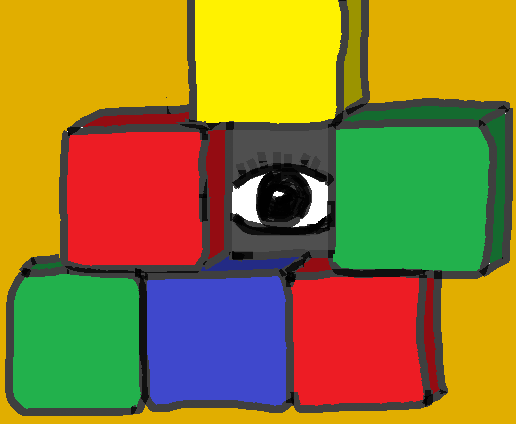
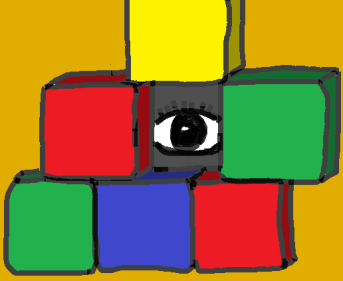
Piled there beside the coat rack was a stack of oversized building blocks, hollow wooden cubes painted bright colors.

“Take down on the blue one,” I told him.

He did.

“Put it on the floor.”

He did.

“Sit on it,” I said.

He did.

“Now don’t move,” I said.

He did, staring blindly ahead.

The teacher came over. Nice lady, print dress. Soft voice. Steve never saw her face because he was staring at her shoes, which were brown.

She said something to him. He shook his head. She said something else. He shook his head again. She waited a moment, then walked away.

We spent the rest of the morning together there in the corner. First we sat perfectly still and tried to be invisible, convinced that if we moved or even breathed loudly someone would notice. After thirty minutes it became clear the nice teacher was content to ignore us, and we began to relax. The roaring in our ears died away. Our hands warmed up. We looked around at the room. We watched the teacher playing with the kids. We watched the kids playing with each other.

After another hour this got boring.

I noticed him eyeing a triangular block, off to one side. It was yellow.

“If you put that behind you,” I whispered, “you could lean back on it.”

The idea of reaching for the block and becoming visible scared him all over again, so we argued about it for a while.

I can’t remember how I changed his mind. But eventually he bent his upper body sideways, grabbed the yellow block and slipped it behind him. Then he leaned back and waited for someone to notice.

Nobody did.

He found this interesting.

Maybe this place was more tolerable than he thought.

Ten more minutes passed.

“You could put your feet up,” I whispered.

He stood and reached for another block.

                                   *

The next block Steve reached for was red. He placed it on the floor in front of the blue one, sat down and put his feet up on it. Feeling highly visible, even daring, he waited for the room to react.

The room ignored him.

“More,” I muttered.

He found a yellow block next, and put it beside the red one. Then he found a green one and put it on the other side.

He made a line of blocks, a little wall. Then sat nervously down to await developments.

None developed.

No one in the classroom noticed, or if they did, they didn’t let on.

He went on building. He made a second tier of blocks, and then a third. When he was done the little multicolored wall rose to his waist and enclosed a small triangular space that felt oddly safe and protected. He sat back down and examined the wall happily. It felt like some sort of achievement.

I think Steve wants to add something here.

Coming to mind is a passage from a Hemingway story. It’s about a traumatized war veteran making camp in the Michigan woods. “Nick was happy as he crawled inside the tent. He had made his camp. He was settled. Nothing could touch him. It was a good place to camp. He was there, in the good place. He was in his home where he had made it.”

Yes. It was that sort of achievement. No small thing, creating safety for yourself in a dangerous world.

That’s about it for my story. Nothing else interesting happened. We stayed behind the wall until we went home.

So why did I tell you this?

Well, I’m introducing myself. As I told you last week, I’m Steve’s inner monkey. The part that seeks control. The part that tries to protect him by changing reality, transforming it into something more like what he wants, or needs, or prefers. You just saw me at work.

But I’m also introducing the subject of this blog, which is not a simple one. Control is a slippery fish.

I’ll let Steve have the last word on that:

For a long time after I began examining control I didn’t distinguish between the simple impulse to control and the addiction to controlling. I saw it as a problem, not a solution. A confused attempt to avoid discomfort or pain. Trying to change realities beyond their control seemed to be the main way people made themselves (and others) sick, exhausted and miserable.

But it’s more complicated than that. Controlling is defensive, sure. But it’s adaptive too. Building that block wall may have cut little Steve off from the class, but it also gave him a way to stay in the room.

So controlling can be both irrational and necessary, avoidant and creative. A problem and a solution.

As Bert says, a slippery fish.

* * *


The meaning of control

“A blog about control,” it says at the top of this page.

So what are we talking about here?

What is control, anyway?

What does the word mean? What does the idea mean?

We must think we know. We use it often enough.

This morning, for the hell of it, I Googled “control.” Google replied with 225,000,000 items. That’s million.

I tried the same thing at Amazon.com. Amazon coughed up 168,459 books with control in their titles.

So what is this thing that so fascinates us?

Good question.

There’s an old story about blind men brailling an elephant. One feels the elephant’s side and says, “Ah, I get it. An elephant is just like a wall.” Another feels the elephant’s leg and says “Ah, I get it. An elephant is just like a tree.” Another feels the trunk and decides an elephant is just like a snake. Another feels the tail and decides an elephant is like a rope. And so on.

Control is an elephant. Big, big elephant. Many parts, many contradictions. After fifteen years of studying it I sometimes still feel like a blind man, groping my way towards the truth, one wrinkly body part at a time.

Join me.

                                                                              ***

control: The capacity to manage, master, dominate, exercise power over, regulate, influence, curb, suppress, or restrain.     ~ Judith Viorst

That’s fairly broad, as definitions go. My definition, which you won’t find in any dictionary but stands behind everything I write here, is broader:

                    The ability to dictate reality.

Dictate as in  direct, determine or define. 

Reality as in, well, everything. Everything under the sun. All the nuts and bolts of the world as we experience it, both the external world (of other people, places, and things) and the internal world (of our own thoughts, feelings and behavior).

By control, then, I mean nothing less than the ability to edit reality, transform it into whatever we need or want or prefer.

And by controlling I mean everything we do towards that end, whether or not what we do is effective, or healthy, or if we even know that we’re doing it.

First question: Is control the best word for what I’m describing?

I don’t know. But I’ve tried and can’t think of a better one.

The Buddhist term attachment probably comes closest to what I mean. As does a Tibetan word Pema Chrodron writes about, shenpa. But control is so much more important in English (Google lists only 16 million items for attachment) it seems the best label for what I’m interested in describing here.

Next question:

What are the most important parts of this elephant?

Well, the first two things you notice about control are

(1) It’s enormous.

and

(2) It’s invisible.

“Some things you miss because they’re so tiny,” Robert Pirsig writes. “But some things you don’t see because they’re so huge.”

Control is one of those invisible huge things.

The urge to control explains a ridiculously wide range of behaviors. Often we think of controlling as bossing, bullying or nagging, or a controlling person as someone like Hitler, Donald Trump or Mom. But that’s like mistaking the trunk for the whole elephant.

We’re controlling whenever we scratch an itch. Comb our hair. Mow our lawn. Salt our soup. Spank our child. Balance our checkbook. Change channels. Stop at a red light. Vote. Punch someone’s nose. Flatter someone. Seduce someone. Lie. Disguise our true feelings. Get drunk. Worry. Dream.

You get the idea.

We’re all controlling, and we’re controlling all the time.

We chase control all our lives, waking and sleeping, out in public and deep in the secretest crannies of our mind. We chase it consciously and unconsciously, creatively and destructively, wisely and stupidly, from birth until death.

We can’t help it. Control-seeking is the default position of our species.

At the same time, because it’s such a given of human experience, we barely notice we’re doing it.

Control isn’t like a tool we pick up and put down. It’s more like breathing, or blinking, or the way your knee jerks when the doctor taps your patellar tendon. Constant, automatic, involuntary.

Nor is the wish for control like a faucet we can turn on and off. The need to control flows through us continuously, saturates all our behavior and feelings, infuses everything we desire and fear.

It not only drives our behavior, it structures our thinking. What is most of our thinking, if not an attempt to somehow change some circumstance, shift some piece of reality closer to what we’d prefer? What else do you call problem-solving, planning, analyzing, fantasizing, worrying, obsessing?

The idea of control makes up the psychological sea in which each of us swims.

And most of the time we barely notice we’re wet.


Session 35: Stuck

I’m stuck.

1

2

3

How so?

1

2

3

I don’t like myself.  I really want to change.

1

2

3

therapist 2

1

2

3

But as hard as I try, I can’t seem to.

1

2

3

Change yourself?

1

2

3

Right.  Any advice on that?

1

2

3

Yes.  But you won’t like it.

1

2

3

How do you know?

1

2

3

Nobody likes it.  Nobody listens.

1

2

3

Why not?

1

2

It’s counterintuitive.  Contradicts what they want to believe. 

1

2

3

Well, I’m desperate.   Try me.

1

2

3

If you insist.

1

2

3

Bert 8

1

2

3

The way to change yourself is:

1

2

3

Bert 9

1

2

3

Stop trying.

1

2

3

Stop trying what?

1

2

Stop trying to change.  That’s how you change.

1

2

3

You’re confusing me.

1

It’s called the Paradoxical Theory of Change.  “The more you try to change yourself,” it says, “the more stuck you become.”

1

2

3

Bert 12

1

“But the moment you accept yourself as you are, change happens by itself.”

1

2

3

That makes no sense.

1

2

Didn’t you just say that pushing yourself to change has gotten you nowhere?  

1

2

3

Yeah.

1

2

3

There’s a reason for that. 

1

2

3

bert

Force yourself to change, and another part of you rises up in resistance.  An internal war starts.  Neither part wins.  You end up still stuck, just more tired.

1

2

3

That does sound familiar.
1

On the other hand, accepting yourself frees up all sorts of energy.  You feel stronger. Braver.  Hopeful.  Creative.  Growth follows.

1

2

3

That makes sense, I guess.

1

2

3

therapist

1

2

3

But I like believing in will power.

1

2

3

therapist.

1

2

3

I like thinking I can chart my own course.

1

2

3

therapist

1

2

3

That I’m the master of my fate.

1

2

3

therapist

1

2

3

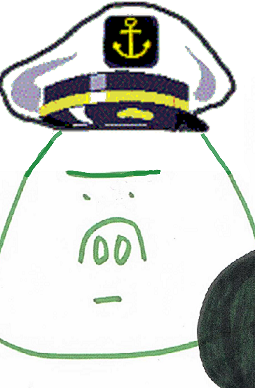
That I’m the captain of my…

1

1

2

See? Nobody listens.

1

2

………………. * * *

 2


Session 34: Holes

Bert 1

1

2

3

4

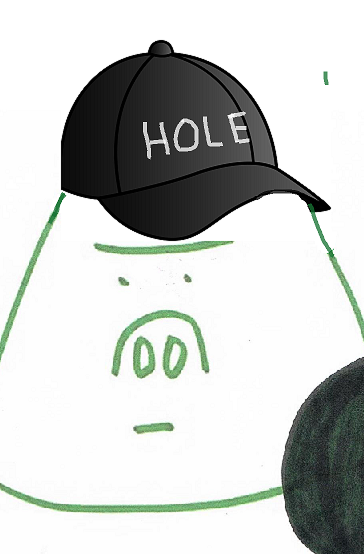
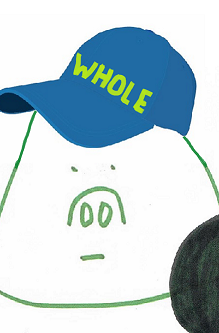
What’s with the hat?

1

2

3

I just felt like wearing it.

1

2

3

4

“Hole”?

1

2

3

It’s how I’m feeling lately.

1

2

3

4

therapist 3

1

2

3

Like something’s missing.

1

2

3

4

Something in you?

1

2

3

Yes.

1

2

3

4

What triggered this?

1

2

3

Remembering my childhood.

1

2

3

4

Oh.

1

2

3

4

Dad’s drinking.  Mom’s depression.  How they fought.

1

2

3

4

therapist 7

1

3

4

How they weren’t really there.

1

2

3

4

And the hole that left in you.

1

2

3

4

Right.

1

2

3

4

Well, I have a present.

1

2

3

4

A present?

1

2

3

4

Yes.  See that box by your foot?

1

2

3

Yes.

1

2

3

4

Open it.  It’s yours.

1

2

3

Thanks.  Not sure it fits.

1

2

3

4

Just listen for a moment. 

1

2

3

Bert 13

1

2

3

4

We all have holes.  All of us. 

11


bert

1

2

3

But you’re nobody’s kid now.  Your parents are gone. This is your life. 

1

2

Bert 14

1

2

3

4

And you can wear any hat you want to.

1

2

3

Really?

1

2

3

4

Really.

1

2

3

I don’t know.  This still feels a little large.

1

2

3

4

You’ll grow into it.

1

2

3

……………….  * * *


Session 33: Irritated

Bert 1

1

2

3

What’s wrong?

1

2

3

Nothing.  I’m fine.

1

2

3

You don’t seem fine.

1

2

3

What do you mean?

1

2

3

You seem irritated.

1

2

3

I’m not.  I’m fine.

1

2

3

Okay.

1

2

3

Bert 5

1

2

3

If you say so.

1

2

3

Bert 6

1

2

3

therapist 6

1

2

3

What?

1

2

3

therapist 7

1

2

3

Jeez, let it go, will you?

1

2

3

therapist 8

1

2

3

Okay.  Okay.  I’m irritated.

1

2

3

How come?

1

2

3

Hell, I don’t know.  I’ve felt irritable for two days.

1

2

What are you doing about it?

1

2

3

Nothing.  Ignoring it.

1

2

3

So I gathered.  You own a car?

1

2

Sure.

1

2

 You know the red light on your dashboard?

1

2

The one that lights when my engine overheats?

1

Yes.  What do you think of a driver who covers that light with duct tape?

1

2

3

Stupid.

1

2

3

For ignoring the warning, right?

1

2

3

Sure.

1

2

Well, irritability is your body’s red light.

1

2

3

What’s it mean?

1

2

Something wrong under the hood.  Some imbalance.

1

2

3

bert

1

2

My point is, don’t tape over the damn light. 

1

2

bert

1

2

Don’t mask it with work, or food, or alcohol, sleep, or tv, or giving to other people.  

1

 1

1

2

Pay attention to yourself.

3

Or end up on a lift or something?
1

2

3

You wouldn’t be the first.

1

                              * * *


Session 32: Selfish

bert 1

2

3

4

How was your weekend?

2

3

4

Lousy.  Felicia and I fought.

2

3

4

What about?

2

3

4

I took a nap.

2

3

4

You fought about that?

2

3

4

Well, she wanted to go shopping instead.

2

3

Oh.

2

3

4

She called me selfish.

2

3

4

Do you think you’re selfish?

2

3

4

I guess so.  Mom always said I was.

2

3

And Mom thought “selfish” was a bad thing.

2

3

4

Of course.

2

3

4

Funny thing about that.

2

3

4

About what?

2

3

4

People who call other people selfish.

2

3

4

What about them?

2

3

4
They’re usually pretty good at being selfish themselves. 

1

2

3

bert

1

What they seem to mean is “Don’t take care of YOUR self.  Take care of MY self instead.”

2

3

4

bert 10

2

3

4

Ever notice that?

2

3

4

Not until now.

2

3


And how are you at taking care of yourself?

2

3

4

Terrible.

2

3

Scared someone will call you selfish?

2

3

4

Yeah.

2

3

4

So you end up not selfish enough?

2

3

4

Yeah.

2

3 

Well, don’t feel bad.  It’s a tough manipulation to defend against.

2

3

4

bert 

2

3

Then again, if you don’t take care of yourself, who will?

2

3

4

Probably not Felicia.  Or mom.

3

4

5

Be my guess.

2

3

4

Bert

2

3

4

How are you feeling right now?

2

3

4

Like I deserve another nap.

2

3

4

5

6

7

8

*************** * * *


Session 31: Happy

bert 1

2

3

4

Still unhappy, I gather.

2

3

4

Yeah.

2

3

4

Why do you think that is?

2

3

4

I don’t know.  Because I don’t have what I want, I guess.

2

3

 And what do you want?

2

3

3

Well, a job that pays better.

2

3

4

therapist 1

2

3

A less angry wife.

2

3

4

therapist 1

2

3

A son who can pass Math.

2

3

4

therapist 1

2

3

And a reason to smile occasionally.

2

3

4

therapist 1

2

3

4

Any suggestions?

2

3

4

Yes.  Redefine happiness.

2

Redefine how?

2

3

Stop thinking of happiness as getting what you want.

2

3

bert 1

2

3

Try thinking of it as having what you need.

2

3

4

What difference would that make?

2

3

 Would you rather be underpaid or unemployed?

2

3

The former.

2

3

Would you rather have an angry wife or live alone?

2

3

3

Again, the former.

2

3

Would you rather have a Math dunce for a son, or no son at all?

2

3

3

I’ll take the dunce.

2

3

Congratulations.  It seems you already have what you need.

2

3

3

bert 1


2


3

bert 1

2

3

4

Plus a reason to smile.

2

3

*************** * * *


Session 30: Bert’s rowboat.

bert 1

2

3

4

You look stressed.

2

3

4

I’m unhappy.  My life…hurts

2

3

4

Sorry to hear it.

2

3

4

I really hate pain and suffering.

2

3

4

You know they’re not the same thing, right?

2

3

4

No.  What’s the difference?

2

3

4

Pain’s necessary, suffering’s optional.

2

3

4

I don’t understand.

2

3

4

I never told you the rowboat story?

2

3

4

No.

2

3

Guy paints his rowboat.  It’s beautiful, and he’s really proud of it.  So he takes it out on the lake.

2

3

4

bert 7

2

3

And he’s rowing happily along through the fog when another rowboat suddenly slams into him.

2

3

4

bert 8

2

3

 So he stands up and screams “You moron!  Are you blind?  Look at what you did to my rowboat!”  And so on.

2

3

4

bert 9

2

3

4

Then he looks closer and sees that the other rowboat is empty.

2

3

4

Which means what?

2

3

4

Life’s full of empty rowboats.  We all get dented.  Pain’s inevitable. 

2

3

4

bert 11

2

3

4

It only becomes suffering when we take it personally.

2

3

4

I see.

2

3

4

Do you?

2

3

4

I don’t know.  Maybe not.

2

3

4

therapist 13

2

3

4

But for some reason I feel better.

2

3

4

****************************

therapist 14

2

3

*************** * * *


Session 29: Yellow brick road

“If I know I’m crazy, does that mean I’m not?”

1

2

3

4

Interesting question.  Why do you ask?

1

2

3

4

I’m not asking, I’m quoting.  Just read that in a book.

1

2

3

4

Psychology book?

1

2

3

4

Mystery novel.  About a Thai cop trying to solve a Silence of the Lambs-type murder and practice Buddhism at the same time.*

1

2

And does your Buddhist cop answer the question?

1

2

3

4

Not yet.  Can you?

1

2

3

4

5

Yes.  No.

1

2

3

4

No, knowing I’m crazy doesn’t mean that I’m not?

1

2

3

4

Right.

1

2

3

4

Why not?

1

2

3

4

Does finding a hole in your tooth make the cavity disappear?

2

3

4

No.

1

2

3

Same thing.  We like to pretend we can think our way out of emotional problems.  But recovery takes work. 

1

2

3

4

What kind of work?

1

2

3

4

5

Uncomfortable work, usually.

1

2

3

4

But why?

1

2

3

Emotional problems tend to come from avoiding emotional discomfort.   So discomfort is the price of recovery.    

1

2

3

4

Discomfort as in…

1

2

3

4

Accepting our limitations.  Taking risks.  Becoming honest.  That sort of thing.

1

2

3

4

Like practicing the alternatives to control.

1

2

3

4

Exactly.  Those all involve tolerating some new discomfort. 

1

2

3

4

I’d rather skip the discomfort.

1

2

3

Most people feel that way.  Look around you.  Met many healthy people lately?

1

2

3

4

Not many, no.  But when does it end?

1

2

3

4

Recovery work?

1

2

3

4

Yeah.

1

2

3

4

If you’re doing it right, never.  You just keep growing until you die.

1

2

3

4

Never?  There’s no graduation, no Nirvana to attain, no Emerald City you reach?

1

2

3

Nope.  Just the yellow brick road.

1

2

3

4

Great.  So what now?

1

2

3

4

You choose, basically.  Keep trying to avoid life’s discomfort, like most people do, or…

1

2

3

4

Learn to love the yellow brick road.

1

2

3

4

5

Right.

1

2

3

4

1

2

3

4

Can I get back to you on this?

1

2

3

4

5

therapist (16)

1

2

* * * * * 3* * * * * ** * *

*The mystery Bert’s reading is The Godfather of Kathmandu by John Burdett (Alfred A. Knopf, 2010).

*                               * * *


Session 28: Ten big ones

 bert (1)

1

2

3

You look tired.

1

2

3

I ‘m not sleeping.

1

2

3

Insomnia?

1

2

3

Yeah.

1

2

3

How long?

1

2

3

Three nights.

1

2

3

That’s awful.  What’s causing it?

1

2

3

I just can’t stop thinking at night.

1

2

 Anything you want to talk about?

1

2

3

Nothing in particular.  Just monkey mind* crap.  You know.

1

2

Yeah.  Listening to monkey mind is like eating junk food: unhealthy and irresistable.

1

2

3

Any suggestions?

1

2

3

Yes.  Yawn.

1

2

3

Come again?

1

2

3

Yawn ten times.  It helps.

1

2

3

I don’t get it.

1

2

3

There’s this neuroscientist who claims that yawning is one of the best things you can do for your brain.  It relaxes your whole body, lowers your stress level, improves cognition and memory, even increases your empathy for other people.

1

2

3

Get out.

1

2

3

Really.  I’ll send you the article.  But try it now.  Go ahead, yawn.

1

2

3

Here?  Now?

1

2

3

Sure.  Go on.  Big yawn.

1

2

3

bert (12)

1

2

3

That’s not a big yawn.  Try again.

1

2

3

bert (13)

1

2

3

Better.  Once more.  Make like a lion. 

1

2

3

bert (14)

1

2

3

Beautiful.  Now repeat.  Ten big ones. 

1

2

3

bert (15)

1

2

3

Good.  How do you feel now?

1

2

3

bert (16)

1

2

3

Bert?  How do you feel?

1

2

3

Zz.

1zz

2

I really should raise my rates.

2

*Forget what monkey mind is?  See “Bert is nuts”:

https://monkeytraps.wordpress.com/2011/04/10/bert-is-nuts/


* * * * * * * * * * * *


Bert on surrender

(If you’re new to Monkeytraps, Steve is a therapist who specializes in control issues, and Bert is his control-addicted inner monkey.

For this post,  Steve interviewed Bert.)

Steve:  So I’ve been writing about peace of mind and how control addiction makes it impossible, and how practicing alternatives to control make it easier to find.  And I wanted to ask you about surrender.

Bert:  What about surrender?

Steve:  How you practice it, mainly.

Bert:  Oh.  Sure this is a good idea?

Steve:  Why not?

Bert:   People will know how lousy I am at it.

Steve:  That’s okay.  They know it isn’t easy.

Bert:  I never use that word, by the way.

Steve:  No?

Bert:  No, that’s one of your writer’s words.

Steve:  You don’t like it.

Bert:  Not really.  Sounds too much like helplessness.

Steve:  That’s not what it means.  It….

Bert:  I know, I know.  Surrender means winning, not losing.  Letting go of what you can’t control represents the victory of awareness over denial, growth over habit, and faith over fear.  Right?

Steve:  Something like that.  What word do you prefer?

Bert:   Depends.  Sometimes I think of surrender as detaching.  

Steve:  Meaning?
Bert:  Taking a step back emotionally.  Like when that client cursed at us in session yesterday.

Steve:  And I told you to not take it personally. 

Bert:  Right.  That it was just transference.  And then other times I think of surrender as accepting. 

Steve:  “It is what it is.”

Bert:  Yes.  Though I hate that expression.

Steve:  Why?

Bert:  It’s like Have a nice day.  Everyone says it, then go right back to being raging control freaks. 

Steve:  Any other words for surrender?

Bert:  Let’s see.  Sometimes I do it by consciously reframing a situation instead of trying to control it.  Remember how mad I used to get at little old lady drivers?

Steve:  Anyone driving at the speed limit, you mean.   

Bert:  Right.  Well, now when I find myself behind one I just tell myself This is God reminding you to slow the fuck down.  And I slow down, and I’m okay with it.

Steve:  Very spiritual of you.

Bert:  I think so.  I use slogans too.

Steve:  Which slogans?

Bert:  Well, there’s the one you wrote on a Post-it and taped to your PC monitor:

99% of what we worry about never happens. 

That got us through some rough times.

Steve:  It did.

Bert:  And the one you kept in the little plastic frame in your office.  The one that made clients think you’re a little nuts: 

Everything’s perfect.

Steve:  I can’t count the times I tried to explain that.

Bert:  Anyone ever buy it?

Steve:  No.  Easier to sell Everything happens for a reason.

But back to you.  It sounds like you do a lot of surrendering, in one way or another.  Why do you say you’re lousy at it?

Bert:  Because of all the times I can’t.

Steve:  Explain.

Bert:  You know how we live.  Rushing from chore to chore, worry to worry.  Working down the To Do list with no end in sight.  Feeling like everything is urgent.  Lying in bed at night and trying to decide if you got enough stuff done to feel okay about yourself.

Then there’s the problem of people.  All the times I just can’t be myself. 

Steve:  Can’t tell the truth, you mean?

Bert:  Yes, but more than that.  All the times I can’t just relax and stop worrying about how someone’s going to react to me.   

But it’s more than that, too. 

It’s all the times I can’t just relax.  Can’t take, even, a really deep breath.  

You know?

Steve:  I know.  Can’t relax if you can’t surrender.  It’s a stubborn addiction. 

Bert:  Sometimes I’m sorry you told me I’m addicted.

Steve:  Do you mean that?

Bert:  No.  No, I guess not.

Steve:  What’s good about knowing?
Bert:  Well, it does clarify things.  When I feel angry or frustrated or crazy it’s usually because I’m trying to control something I shouldn’t.  Calms me down, just seeing that. 

Steve:  Another surrender?

Bert:  I suppose it is.  And then, remembering I’m addicted gives me more choices than I used to have. 

Steve:  More choices?

Bert:  Sure.  Before I knew, I never even thought of surrender as an option.  Now I know, even when I can’t do it.  It’s something to work towards.  Something to practice and get better at.  And that gives me hope.    

Steve:  Hope’s good.

Bert:  It is.  It even lets you breathe a little bit deeper.

* * *


What we mean when we talk about control, part 5: Peace


(If you’re new to Monkeytraps, Steve is a therapist who specializes in control issues, and Bert is his control-addicted inner monkey.

Steve speaking:)

So what do we mean when we talk about control? 

Like when someone says something like I want to feel more in control — what are they asking for, really?

I think it’s

5. Peace

Peace of mind, that is.

“Peace of mind.”  Consider that phrase, and what it suggests.  

Calm.  Safety.  Blessed relaxation.  The absence of pain, stress and fear.  Connection to our selves, to others, to the world.  Serenity.

And where does peace of mind come from?

Not fighting. 

Peace of mind is rare because our minds are usually at war.

We fight reality itself, we fight ourselves, and we fight each other.

And we do it almost constantly.

 “Each of us has our own silent War With Reality,” writes Stephen Cope.

This silent, unconscious war with How It Is unwittingly drives much of our behavior. We reach for the pleasant. We hate the unpleasant. We try to arrange the world so that we have only pleasant mind-states, and not unpleasant ones. We try to get rid of this pervasive sense of unsatisfactoriness in whatever way we can — by changing things ‘”out there.”  By changing the world.

Think about it.   Think of how often the reality you want matches the reality you have. 

Think of the time you spend wishing that things (or you yourself, or your partner) were different. 

Think of the energy you spend plotting or actually trying to make things the way you’d prefer.

Like all addictions, the search for control is a problem disguised as a solution.   It seems to offer a way out of discomfort and discontent.  In fact, it offers the opposite.  

“The life of addiction is one of perpetual longing,” writes William Alexander in his Still Waters:

“I want, I want, I want” is the chant of the discontented self.  This longing is reckless and insistent.  It will never be fulfilled.  There is not one thing, one feeling, or one idea that will satisfy it.  “I want” is always followed by “more.”  It gets worse.

Sure, you can fight reality.  You just can’t ever win.

Is there an alternative to fighting?
Three, actually. 

We can practice surrender, responsibility and intimacy instead.

I’ve written about these alternatives before.   Surrender means not controlling what we can’t control anyway.  Responsibility means listening to feelings — however inconvenient or unbecoming — and allowing them a voice when we make choices.  And intimacy means taking the (often terrifying) risk of being ourselves with another person and allowing that person to do the same.

As I said, I’ve written about these before, and expect to continue for a while.  The rest of my life, probably.

Partly because I’m convinced they’re the only chance we have of achieving peace. 

And partly because Bert still has so damned much to learn about them.

Next: Bert’s notes on the alternatives.


* * *

Want more?
 

Supposing you have been very much in love with a man or a woman.  And you want them to love you.

And if you say “You must love me,” love dries up. 

But on the other hand if you say, “Look, please, have it your way….  You don’t have to meet me tomorrow.  Please, you choose….” 

They always come back if you do it that way.  (Laughs.) 

Let it go, and it returns to you.  But dominate it and say, “You must be mine,” and you’ll lose it.

…And this is, finally, the only sane attitude.

~ From Let it go by Alan Watts.