
**
This continues a new series of posts excerpted from Monkeytraps in Everyday Life: A Guide for Control Addicts (in press). It’s about psychological monkeytraps: what they are, how they work, and how recovering control addicts can learn to notice when they’ve trapped themselves by trying to control what cannot or should not be controlled. Read the introduction to the series here.
*
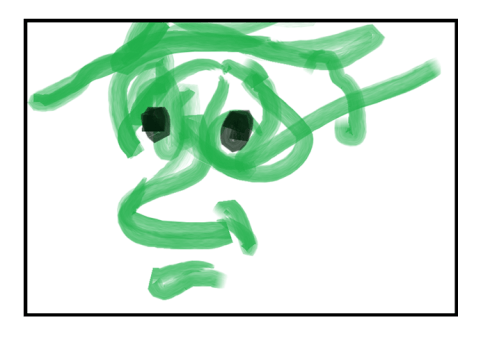
Trap 3: Anxiety
*
Step 1: I experience discomfort
I’m anxious most of the time.
*
Step 2: I misread the discomfort.
“There’s something wrong with me.”
*
Step 3: I try to control the discomfort.
Fearing judgment, I hide my anxiety from others.
*
Step 4: My attempt fails.
When I hide my anxiety, it grows.
*
Step 5: I misread the failure.
“I must work harder to hide my anxiety.”
*
Step 6: I experience discomfort.
I’m anxious most of the time.
 Footnote:
Anxiety & control
Anxious people try to control other people mainly by editing themselves — hiding the parts they think others won’t like. Most importantly, they bury feelings instead of expressing them. That last sentence defines the heart of anxiety. That’s because feelings are – excuse this analogy – like shit. Feelings are supposed to be expelled and expressed, not buried and hidden. When they’re buried, they don’t go away. They collect. The person becomes emotionally constipated, lives in a constant state of self-interruption, internal pressure and emotional pain. And anxiety is the name we give to this pain.
~ From Chapter 24, “The Anxious,” in Monkeytraps: Why Everybody Tries to Control Everything and How We Can Stop.
![Monkeytraps: Why Everybody Tries to Control Everything and How We Can Stop by [Steve Hauptman]](https://m.media-amazon.com/images/I/41K013-ukCL.jpg)





Leave a Reply