Category Archives: control

What we mean when we talk about control, part 1: Outside, inside

(If you’re new to Monkeytraps, Steve is a therapist who specializes in control issues, and Bert is his control-addicted inner monkey.

Steve speaking:)

Today I’m unpacking an important idea, one crucial to control addicts.  To everybody, in other words. 

But it’s a slippery idea, hard to nail down.  So I’ll need more than one post to do it.   How many, I don’t know yet.

Feedback and questions welcome while I’m unpacking.

Part 1: Outside, inside

Once upon a time the elderly residents of a nursing home were divided into two groups. 

Group A was given houseplants and told to decide where to place the plants in their rooms and when and how much to water them.  Group B was given houseplants and told the nursing staff would care for them.

Eighteen months later researchers compared the groups and found the plant-tending Group A members to be healthier, more cheerful, more active and more alert.  They also found that less than half as many A group members had died.

Citing this study as evidence of the importance of control, its author later wrote,

Perceiving control apparently is crucial not only to one’s psychological well-being but to one’s physical health as well. 

The belief in personal control may be essential to one’s sense of competence and is basic to human functioning.

When one’s belief in control is threatened, the result is severely incapacitating. 

                  (Ellen J. Langer, The Psychology of Control, 1983).

All this came to mind the other day while I was explaining the idea of control addiction to a new client named Lennie.

“Addiction?” Lennie said.  “That makes no sense.  Addiction’s a sickness.  You have to give up an addiction to be healthy.  But control is a necessity.  You can’t live without control.”

Lennie’s wife Alice is alcoholic.  And like most spouses of addicts, he suffers from what might be called boundary confusion.  He’s not sure where his life ends and hers begins.

When Alice has a bad day, so does he.  He’s concluded that to protect himself he has no choice but to try to control Alice’s addiction and its consequences.  So he begs her to stop drinking, threatens divorce, hides her booze, lies to her boss about why she missed work, lies to their kids about why she passed out on the sofa, and so on.

He’s as addicted to controlling as Alice is to drinking.

But what Lennie said makes sense, right?   Isn’t control a necessity?  Doesn’t the nursing home study prove that?

Not really.

Notice what Langer actually wrote:

Perceiving control apparently is crucial….

The belief in personal control…

When one’s belief in control is threatened….

We’re talking here about two things, not one. 

One outside, one inside. 

Actual control, versus a sense of control.

They’re not the same thing, as I pointed out in a post I wrote last year about power:

Imagine your rich uncle dies suddenly and leaves you control of his multinational corporation. You wake up one morning the CEO of Big Bux, Inc.

You go to your new job. You sit behind a huge desk. Four secretaries line up to do your bidding. You have tons of control. You can hire and fire, buy and sell, build plants or close them, approve product lines, mount advertising campaigns, manage investments, bribe congressmen, you name it.

How do you feel?

Actual control is what you’d have here.  But a sense of control?  I doubt it.

One’s an objective reality; one’s a subjective experience.  Actual control means the ability to dictate or transform external circumstances — make people, place and things behave as we like.  Sense of control means  feeling competent, grounded, secure and calm inside — in control of one’s internal state. 

Put another way:  actual control describes something we achieve out in the world, while sense of control describes something we achieve in our heads.

“So what?” you ask.  “Why is this distinction important?”

Because actual control and sense of control are achieved by quite different methods.

Because chasing one makes you healthy, while chasing the other makes you sick.

And because one’s a lot easier to come by than the other.

(To be continued.)

* * *

Want more?

Langer is a famous psychologist poised to get much more famous, but not in the ways most researchers do.

She is best known for two things: her concept of mindlessness — the idea that much of what we believe to be rational thought is in fact just our brains on autopilot — and her concept of mindfulness, the idea that simply paying attention to our everyday lives can make us happier and healthier.

And now a movie about her life is in development with Jennifer Aniston signed on to star as Langer.

~ From “Mind Power” by Drake Bennett, Boston Globe, February 10, 2010.

It’s Just What I Do, Plan A, and other forms of covert controlling

(If you’re new to Monkeytraps, Steve is a therapist who specializes in control issues, and Bert is his control-addicted inner monkey.

Steve speaking:)

This is the second of two posts about covert controlling.  (You can read the first post here.)

3. It’s Just What I Do

Dennis keeps logging onto his wife’s  computer to view porn.  “And she keeps asking you not to,” I say.  “Right.”  “And she can always tell when you’ve done it.”  “Always.”   “And afterwards you two always have huge arguments.”  “Yes,” he says sadly.  “So why…”  “I don’t know,” he shrugs.  “I’m an idiot.  I don’t know why I do it.  It’s just what I do.”

Ellie just lunched with two friends, and she’s seething.  “I hate them.  They only talk to each other.  Me they totally ignore.  It’s like I’m not there.  If I try to break into the conversation they look at me like I’m some annoying little sister.  It’s always like this.  I get so upset I have to go to the bathroom to cry.”  This lunch, she adds, is a monthly ritual that’s  been going for years.   “Years?” I ask.  “Why keep going?  Why not  just avoid them?”  She shrugs helplessly.  “They’d be angry,” she says.  “But you don’t like them.”  “Not much,” she admits.  “But I can’t say no.  It’s just what I…”

Frank’s wife makes all decisions for the both of them.  “Everything from dinner to where to vacation to when to have sex,” he tells me.   “Don’t you guys ever discuss things?”  I ask.  “Not really,” he says.  “She tells me what she wants, then says, ‘Okay?'”  “And you agree.”  “Yeah.”  “Ever disagree?”  “Once or twice, when we were first married.”  “What happened?”  “She’s better at arguing than me.  She gets loud, and I get nervous.  So I give in.  It’s easier.”  “Is it really?”  He sighs.  “Maybe not,” he concedes.  “But we’re married eight years now.  Agreeing has become a habit.  It’s just….” 

Welcome to It’s Just What I Do. 

This form of covert controlling shows up in my office every day.  And each time it does I’m reminded of what Fritz Perls said about therapy clients:  

“Very few people go into therapy to be cured, but rather to improve their neurosis.”

Still, It’s Just What I Do used to puzzle the hell out of me.  Because I assumed that any repeated behavior must have some payoff attached to it.  And I couldn’t figure out what the payoff was here.

Then I began to study the idea of control.

And I realized the payoff is all about Plan A. 

4. Plan A

I’ve written about Plan A here before.  It’s my label for everything we learn as kids about life and how to cope with it. 

We each have a Plan A.  We learn it mainly as kids, mainly from our parents, and mainly unconsciously.  No one sits us down and says, “Now listen up.  Here’s how you do life.”  Instead we watch and listen to the grownups around us and absorb what they do like little sponges.   

Plan A becomes our psychological default position, the place to which we revert under stress.  As a coping method it may not work all that well.  But it has one enormous advantage over any other plan:  it’s utterly familiar.   

And therein lies the payoff:  the illusion of control.

Familiarity is enormously reassuring.  We don’t have to analyze anything, learn new behaviors, anticipate new outcomes.   Reverting to Plan A means knowing just what to do and just what will come of it.  

The fact is, most of the time, most of us prefer a familiar pain to an unpredictable adventure.

Which explains why Dennis, terrified of losing his marriage, provokes the same fight again and again.  And why Ellie, afflicted with chronic low self-esteem, lunches with people she hates rather than risking their disapproval.  And why Frank, in treatment for crippling anxiety, tries to reduce his stress by agreeing with his wife about everything.

On some level each of them has decided they’re not ready for Plan B.  Not ready for the emotional stretch, the stress of learning, the shock of fresh feelings, the unpredictability of something new.

So they cling to the familiar. 

We all do.  We’re anxious creatures, we humans.  And our anxiety makes us resist change. 

So we cling to the familiar like a child clings to a teddy bear.  And chase control even what we chase is illusory. 

“The most interesting thing about the control-mad people is that they always end up being controlled,” wrote Perls.  “So the control-mad person is the first one to lose his freedom.  Instead of being in control, he has to strain and push all the time.” 

But it’s what we do.

* * *

Want more?

The adjusted American has learned to regard his personality as an expression of what he was born to be, or what he was conditioned to be, and to assume he can never change dramatically (except, perhaps, for the worse).

There are many people who cling to this conception of a determined self because they shrink from accepting responsibility for being what they are.  Those who cannot accept themselves find a false comfort in believing that heredity, society, parents, or whatever is responsible for the shaping of their lives. 

For such solace as this belief affords them, they trade the possibility of choosing their lives differently and creating a more acceptable self.

From The adjusted American: Normal neuroses in the individual and society by Snell Putney and Gail J. Putney.  Wonderful book, by the way.

* * *

There are those that say you can do nothing and everything is out of your control, and there are those who say that you can do everything and that everything is within your control. The truth, I have discovered, is somewhere in the middle. There is plenty out of your control, so make peace with it, and then let it go. Then refocus your attention back on what you can control: what you think, what you say, and what you do.

From 6 Ways to regain a sense of power by Ollin Morales.


Silent Farting, Stuff/Stuff/Blow, and other forms of covert controlling that visited my office so far this month

(If you’re new to Monkeytraps, Steve is a therapist who specializes in control issues, and Bert is his control-addicted inner monkey. 

Steve wrote this post.

Bert, however, contributed heavily out of his personal experience:)


Most controlling behavior is covert — hidden or disguised. 

Why?  The reason is obvious. 

Nobody likes a controller.  So nobody wants to be seen as “controlling.” 

As a result most controlling behavior is buried beneath a careful attempt to control other people’s reactions to the controller’s attempts to control stuff.

Got that?

Maybe examples will help.

1. Silent Farting

“I just know when something’s up with him,” Ben’s wife tells me.  “It’s hard to say how.  I just know.  Something about the way he walks into a room, or turns the pages of his newspaper, or stirs his coffee.  He doesn’t say anything, doesn’t even look at me.  But I know a storm’s coming.  It’s like I can smell it.”

This is Silent Farting.

It’s  a way for people uncomfortable with expressing anger directly express it indirectly — under the radar, so to speak.  They just sort of exude it, like a bad smell.  The targets of their anger don’t always understand what’s happening, but like Ben’s wife, they can usually tell they’re been farted at.          

Silent Farters tend to be people who in a previous life were punished for expressing anger out loud.  Or grew up with abusive or chronically angry parents, which scared them into deciding that angry was not something they ever want to be.

How is Silent Farting a controlling behavior?  In three senses. 

The Farter overcontrols an unwanted feeling, instead of expressing it in an open and healthy way.

The Farter, by exuding anger instead of expressing it, also tries to control the reactions of others to that feeling.

Finally, Silent Farting can be a form of coercion, an attempt to intimidate by hinting at the storm that’s brewing inside.  Ben’s farting has made his wife hypersensitive to his moods, and I suspect Ben likes it that way.    

2. Stuff/Stuff/Blow

Halfway through our session Jan suddenly blurts, “You know, I’m about ready to walk out of here.”

She is crying.  I’m surprised.  She seemed fine a moment ago.

“Why?”  I ask.

“You make me feel like shit.  You sit there and imply that my relationships are inadequate and then you pressure me to do something I don’t want to do.  I’ve had enough.”

Another surprise.  Two weeks ago I raised the subject of group therapy, and since then referred occasionally to ways in which a supportive group might be of help. 

I know the idea of group makes her uneasy, so I don’t really expect her to join.   But I did think she was curious.  Until now she’s responded to what I say with interested nods.

“How long have you been feeling this way?” I ask

“Since you first mentioned group,” she replies.

 “Why didn’t you say so sooner?”

“I didn’t want to be rude.  But now I’m fed up.”

This is Stuff/Stuff/Blow. 

The Stuff/Stuff/Blower habitually conceals her anger from others, letting the pressure build until she can’t hide it anymore.  Then, baboom.

The explosion usually embarrasses her, so afterwards she resumes stuffing and stuffing until the next inevitable blow. 

Like Farters, most Blowers concluded early in life that expressing anger openly was somehow unsafe or unattractive.  Now they bury theirs as long as they possibly can.

Unfortunately, anger is unavoidable for human beings.  So for the Blower periodic explosions become unavoidable too.

It is not unusual for these explosions to be preceded by silent farting.  But not all Farters are Blowers, and not all Blowers are Farters.  

Personally, I’d rather work with a Blower than a Farter.  Farters who never explode tend to be more scared of anger — theirs and everyone else’s — and so take longer to learn that, like most feelings, anger expressed is much safer than anger than stored up.

(To be continued.)

* * *

Want more?  

Writing this post reminded Steve of the game theory of Eric Berne, founder of the therapy called Transactional Analysis. 

Berne believed we each carry three internal roles or “ego states” — he called them Parent, Adult and Child — that we continually enact in all our relationships.

He also explained dysfunctional interactions in terms of the “games” these three roles inspire us to play:  

Games are essentially devious, toxic and sometimes deadly methods of obtaining “strokes.”

The term stroke is Berne’s name for the unit of human contact and recognition.  Strokes, Berne pointed out, are needed by people for psychological and eventually physical survival, just as they need food, water and air.

These repetitive stroke-gathering interactions, labeled by Berne with the instantly recognizable names ( “Why Don’t You Yes But,” “Now I’ve Got You.”and “I’m Only Trying to Help”, etc) which made TA famous, are the building blocks of people’s life scripts.

~ From “Transactional Analysis” at the changing minds.org website.

 Here’s a brief (10:00) video introduction to TA theory:

Transactional Analysis 1: ego states & basic transactions


Living elsewhere

 (If you’re new to Monkeytraps, Steve is a therapist who specializes in control issues, and Bert is his control-addicted inner monkey.

Bert speaking:)

For any recovering addict the first job is learning to see differently. 

For control addicts that means learning to see control issues, in their own lives and in the teeming life of the world around them.

I have to practice this every day. 

Some I catch.  Some I miss.

I invite you to practice with me. 

Below are three puzzle pieces that crossed my path this morning.   Once upon a time I would have seen no connection between them. 

There are no right or wrong answers here. 

Fit them together, or not, as you will.

Piece #1: 

Found in a pile of miscellaneous clutter in my kitchen, a joke, on a sheet of notepad paper from the satirical website Demotivators:

It could be that the purpose of your life is only to serve as a warning to others.

Piece #2:

“Sad story,” my wife says as I stand at the kitchen counter, sipping my first cup of coffee.  “X’s friend’s daughter killed herself yesterday.”

“How old?” I ask.

“Seventeen.  Honor student.  Turned out the college she wanted to get into hadn’t responded yet.”

“But it’s only January,” I say.

“I know,” she nods.  “Sad story.”

Piece #3: 

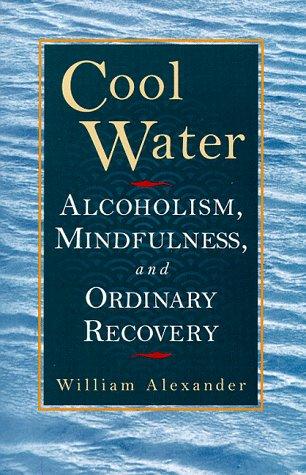
I keep books on my desk to poke through when stuck for something to write about.  I open one* and find a passage I highlighted years ago in yellow marker:

Alcoholism is the disease of living elsewhere. 

In active addiction, the present moment is a terrible and threatening place.  The remorse for things done and the fear of what is to come crowd the eternal holy now into oblivion.  There is no rest or comfort in the contemplation of the reality of the life of ongoing addiction. 

By the end of my addiction, the only escape from the horror of everyday life lay in the fragile amnesia of fantasy or illusion.  Demons clawed at the windows in deep night….  I had become a “hungry ghost” — the mythic creature with an enormous belly and pinprick mouth, cursed with an insatiable thirst….

My mind was not sound, and by my thirties I was in a terrible world of random dependence.  My unvoiced cry was, in the words of Joko Beck, “I want, I want, I want…” with the deeper objective phrase “the world to be my parents.”    

So.  There are my three pieces.  

No wrong answers here. 

No right ones, either.

Fit them together, or not, as you will.

* * *

Want more?

That is what ordinary recovery is.  Not complicated; not special.  Any addict, like so many of his brothers and sisters in the larger world, lives a life of rapture and illusion.  Ordinary recovery is about waking up to what is real.  When you see what is right before your eyes, you are healed.  the way to the healing moment is through paying attention. Pay attention: the medicine is right before you all the time.

~ *From Cool water: Alcoholism , mindfulness and ordinary recovery by William Alexander

1

1

1

* * *

Tormented by unfulfilled cravings and insatiably demanding of impossible satisfactions, the Hungry Ghosts are searching for gratification for old unfulfilled needs whose time has passed.  They are beings who have uncovered a terrible emptiness within themselves, who cannot see the impossibility of correcting something that has already happened…. 

[To heal,] The Hungry Ghosts must come in contact with the ghostlike nature of their own longings. 

~ From Thoughts without a thinker: Psychotherapy from a Buddhist perspective by Mark Epstein.


Blue worry


bert (1)

1

2

3

4

How are you today?

1

2

3

4

Uncomfortable. 

1

2

3

4

Thought so.

1

2

3

4

How could you tell?

1

2

3

4

I’m a trained mental health professional.

1

2

3

4


bert (4)

1

2

3

4

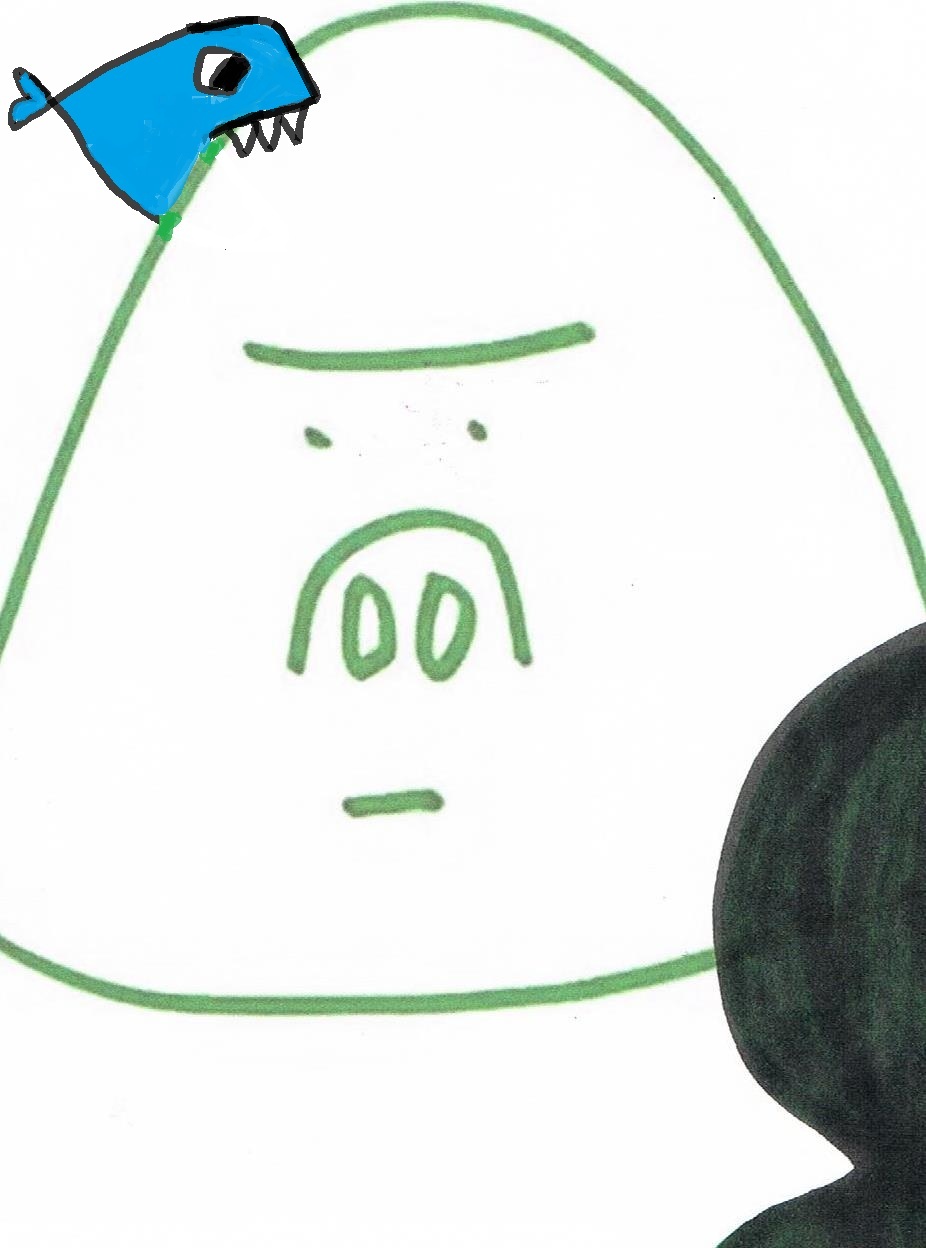
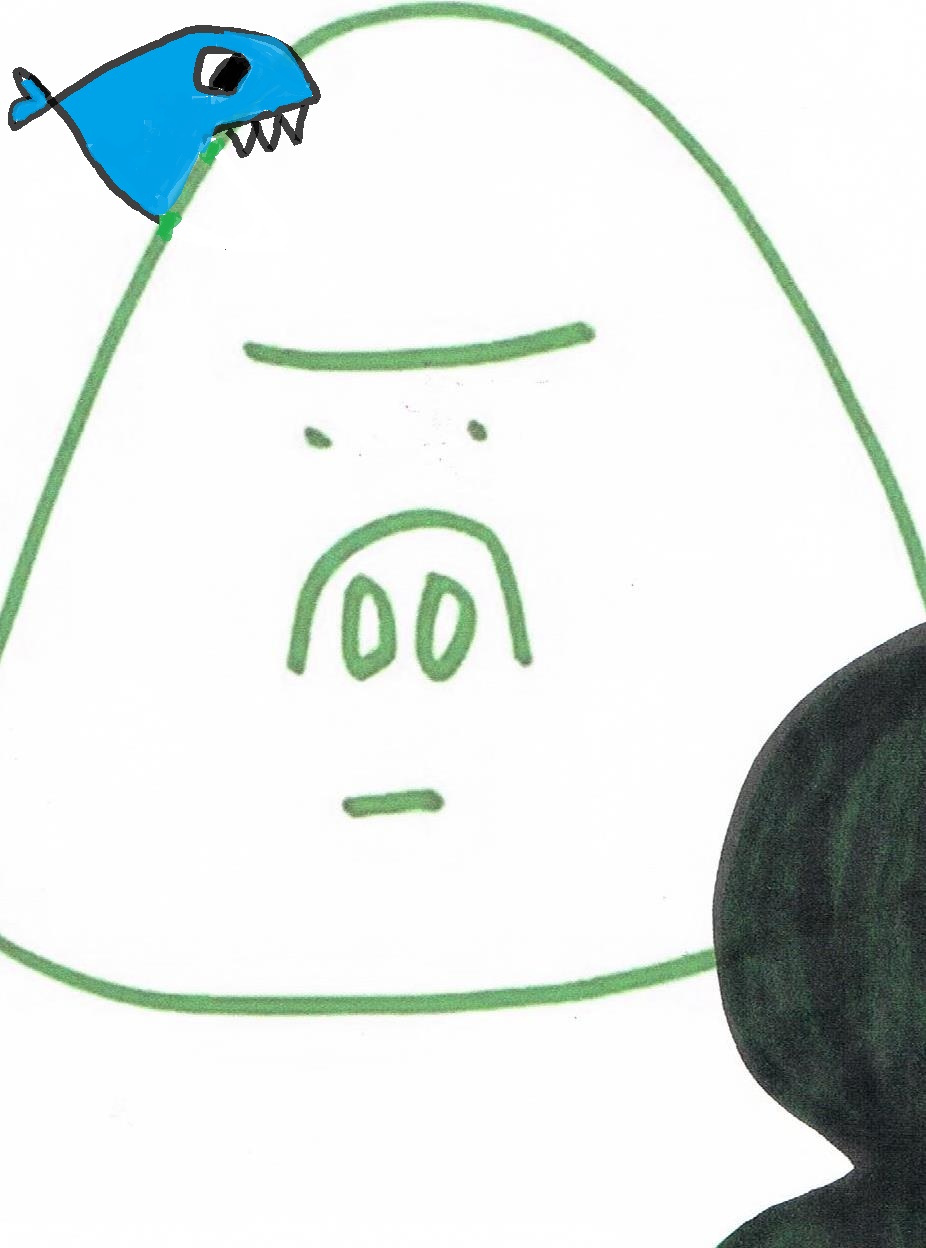
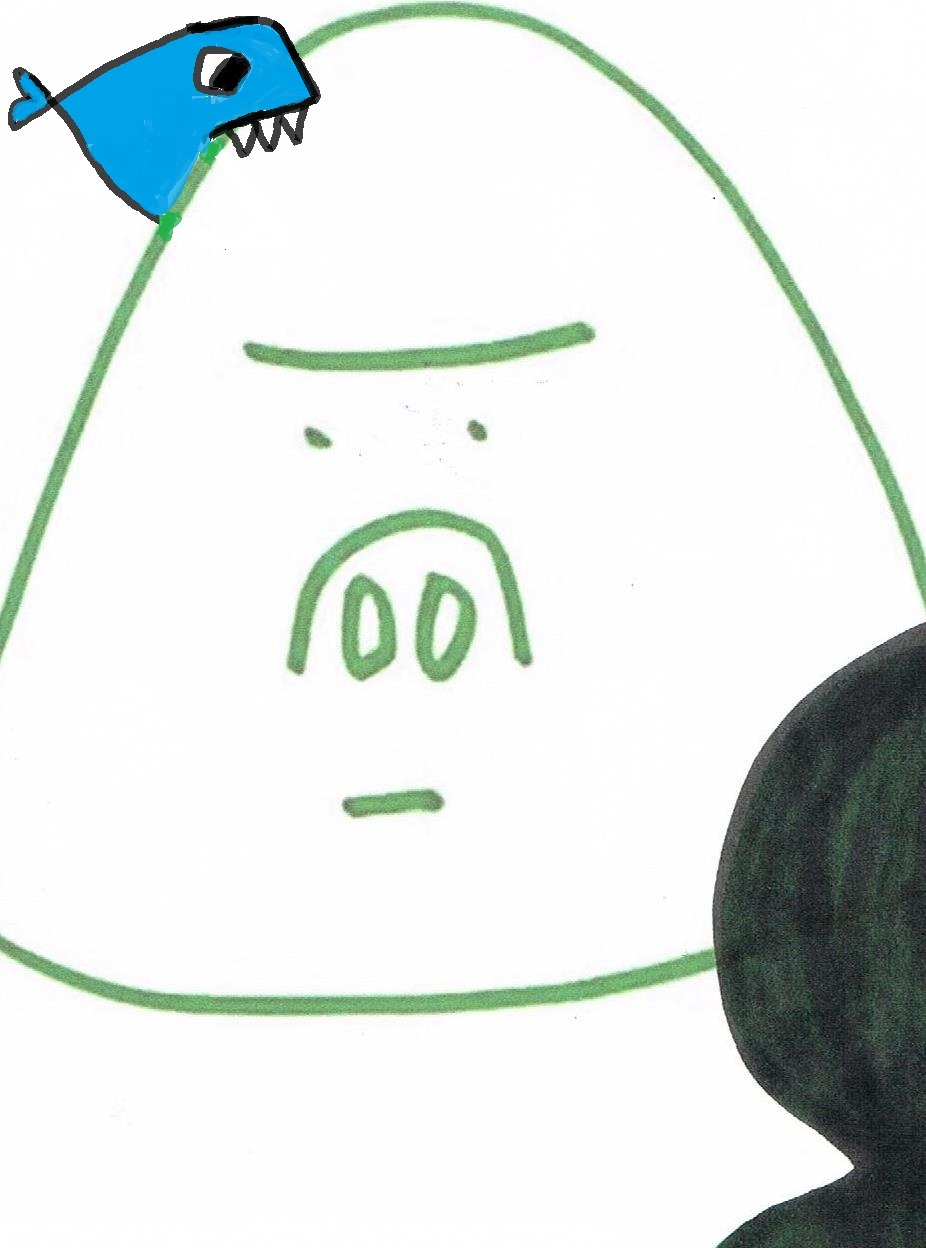
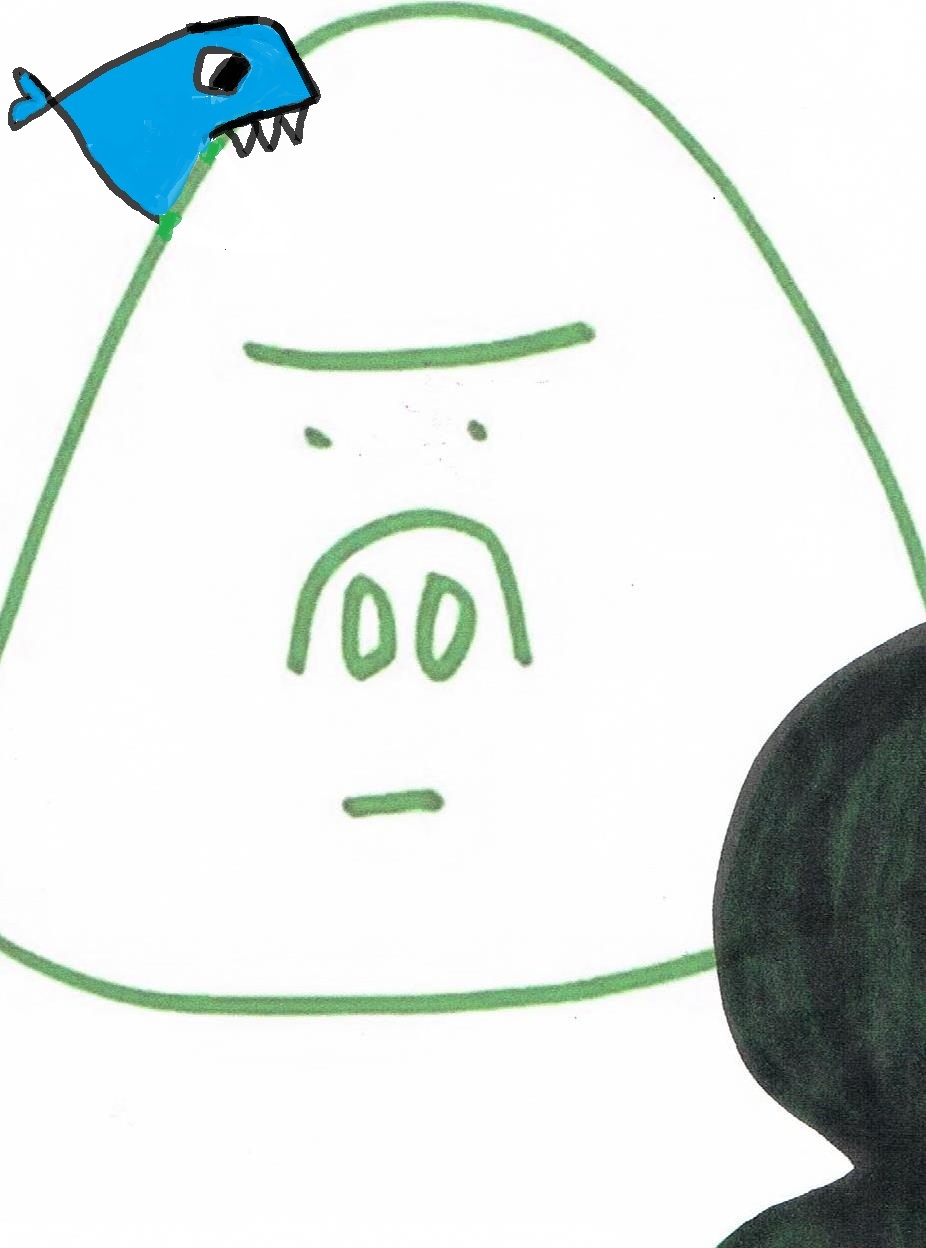
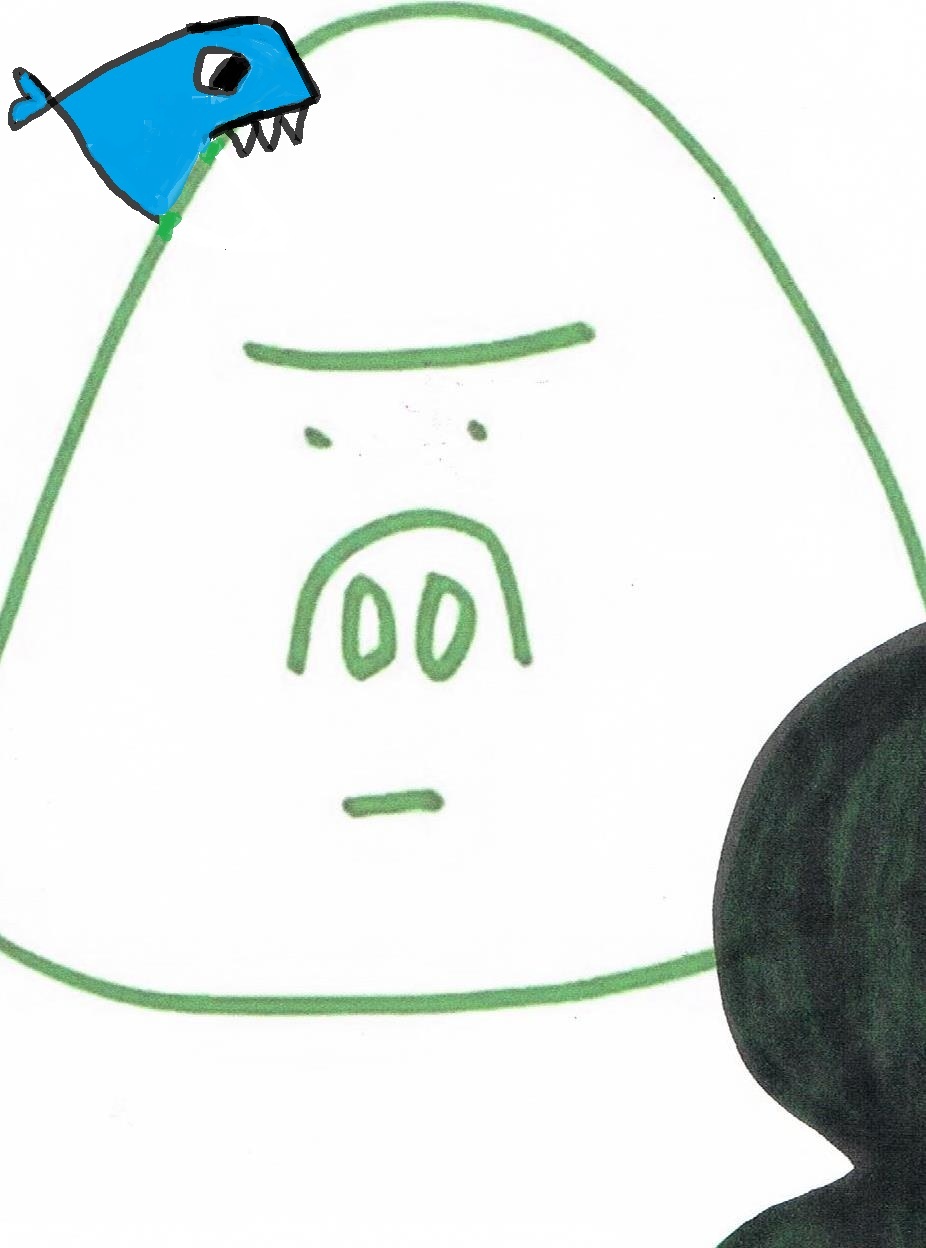
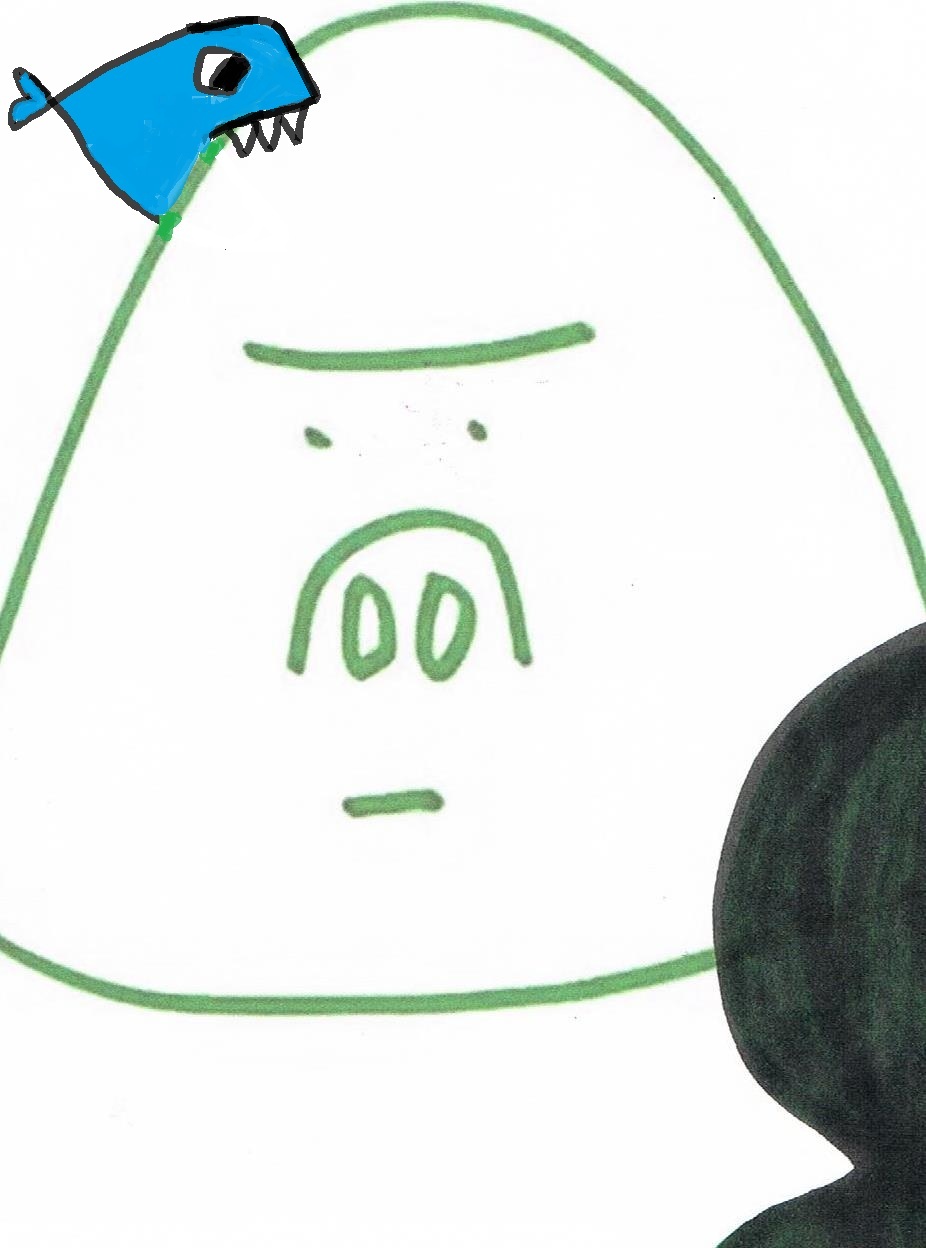
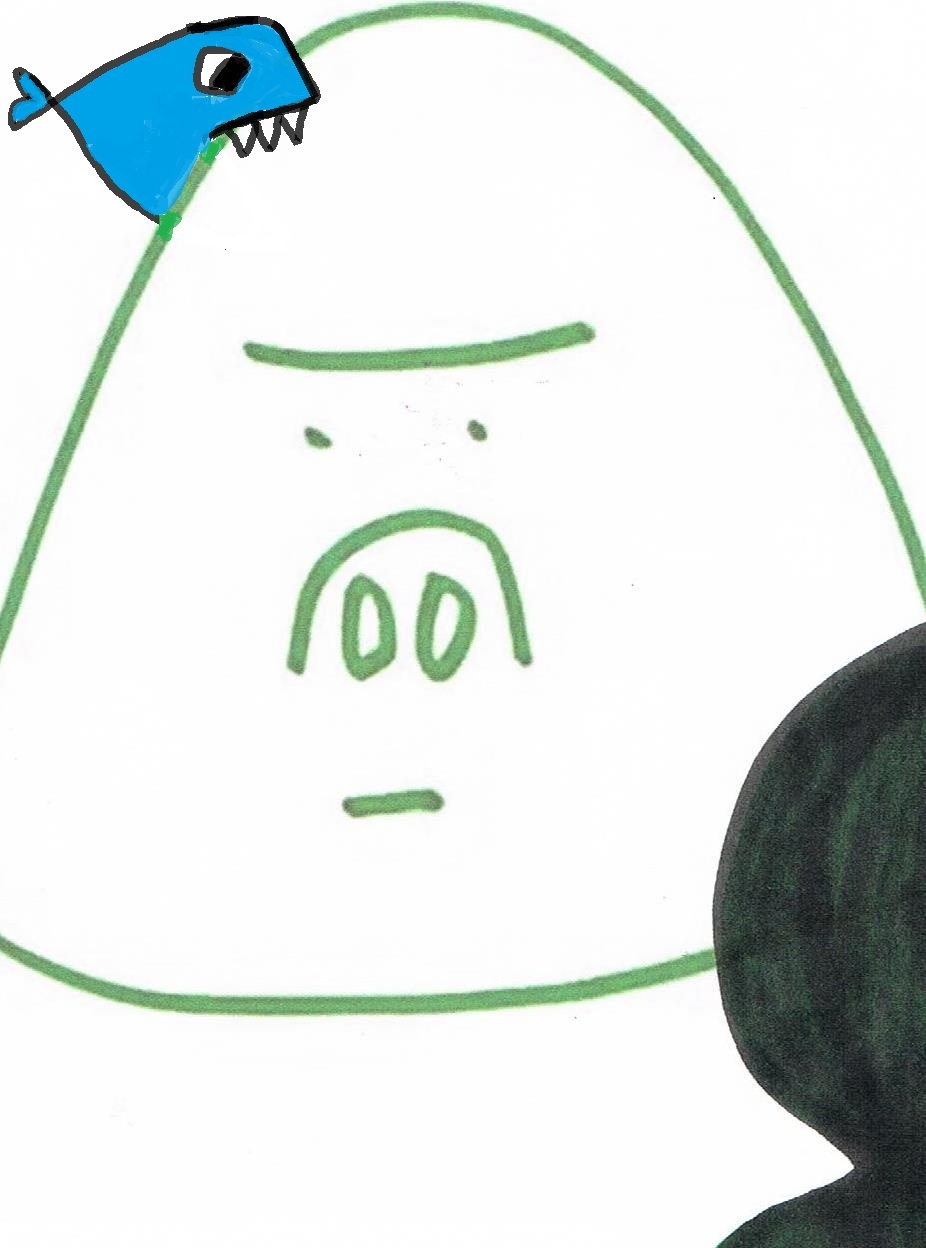
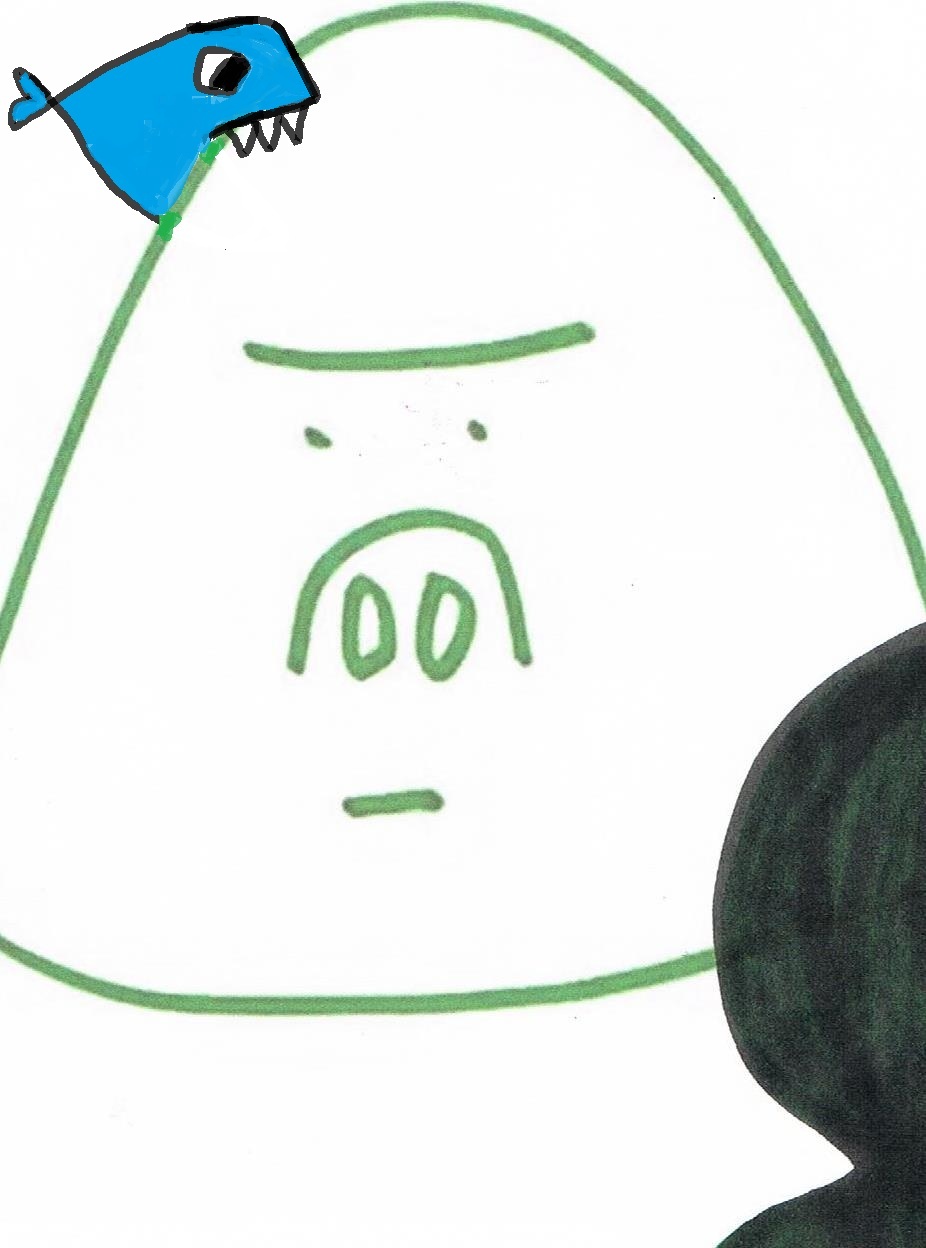
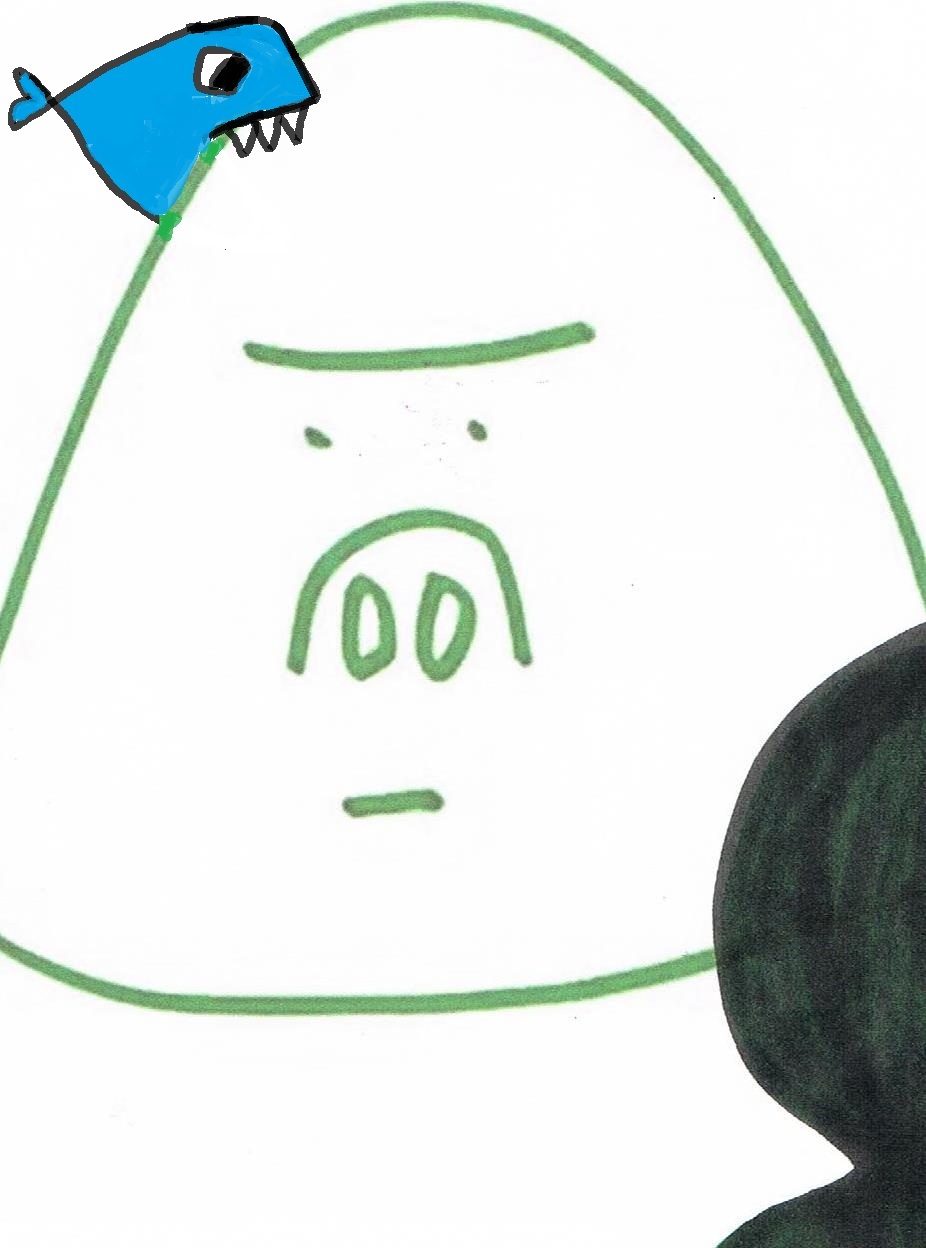
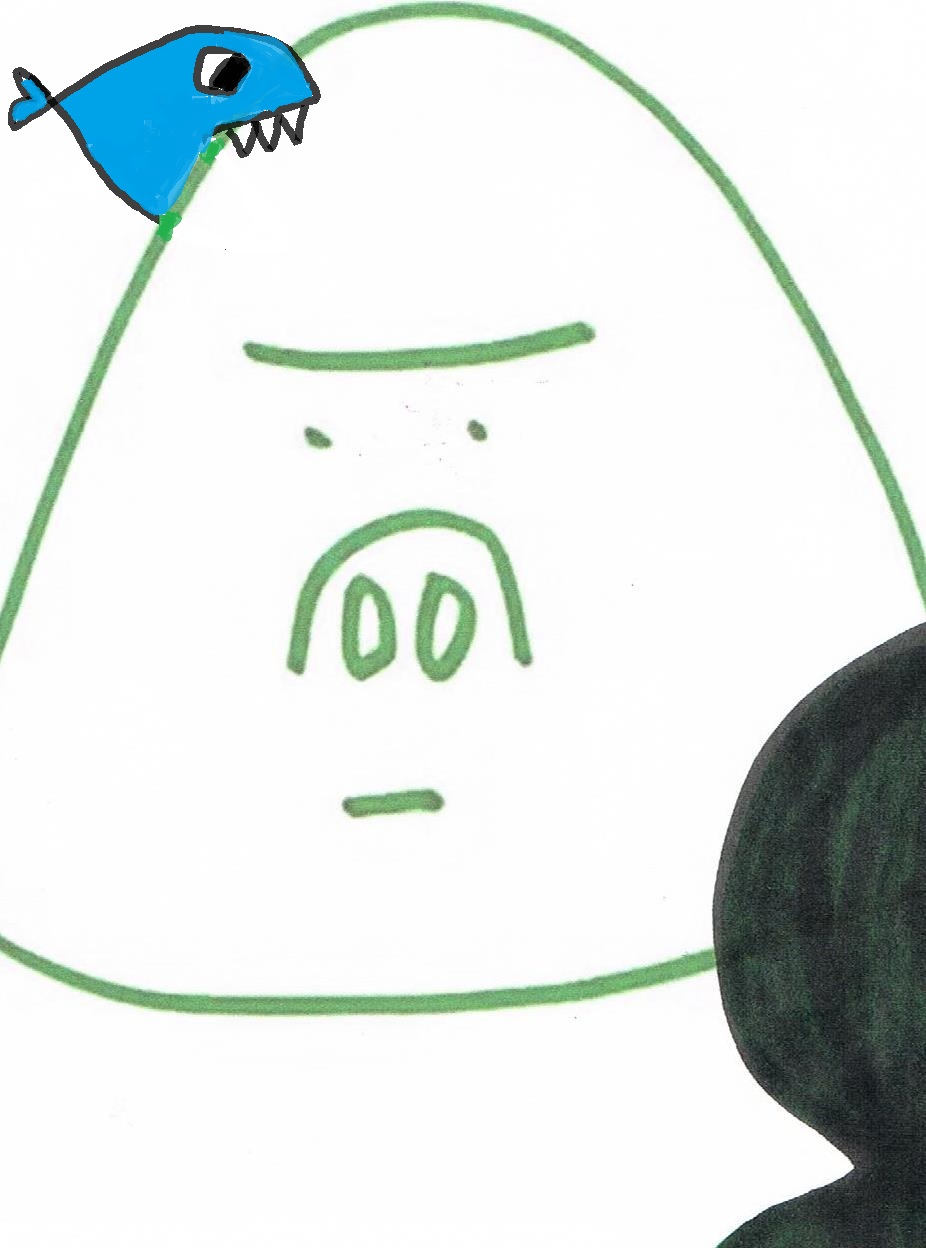
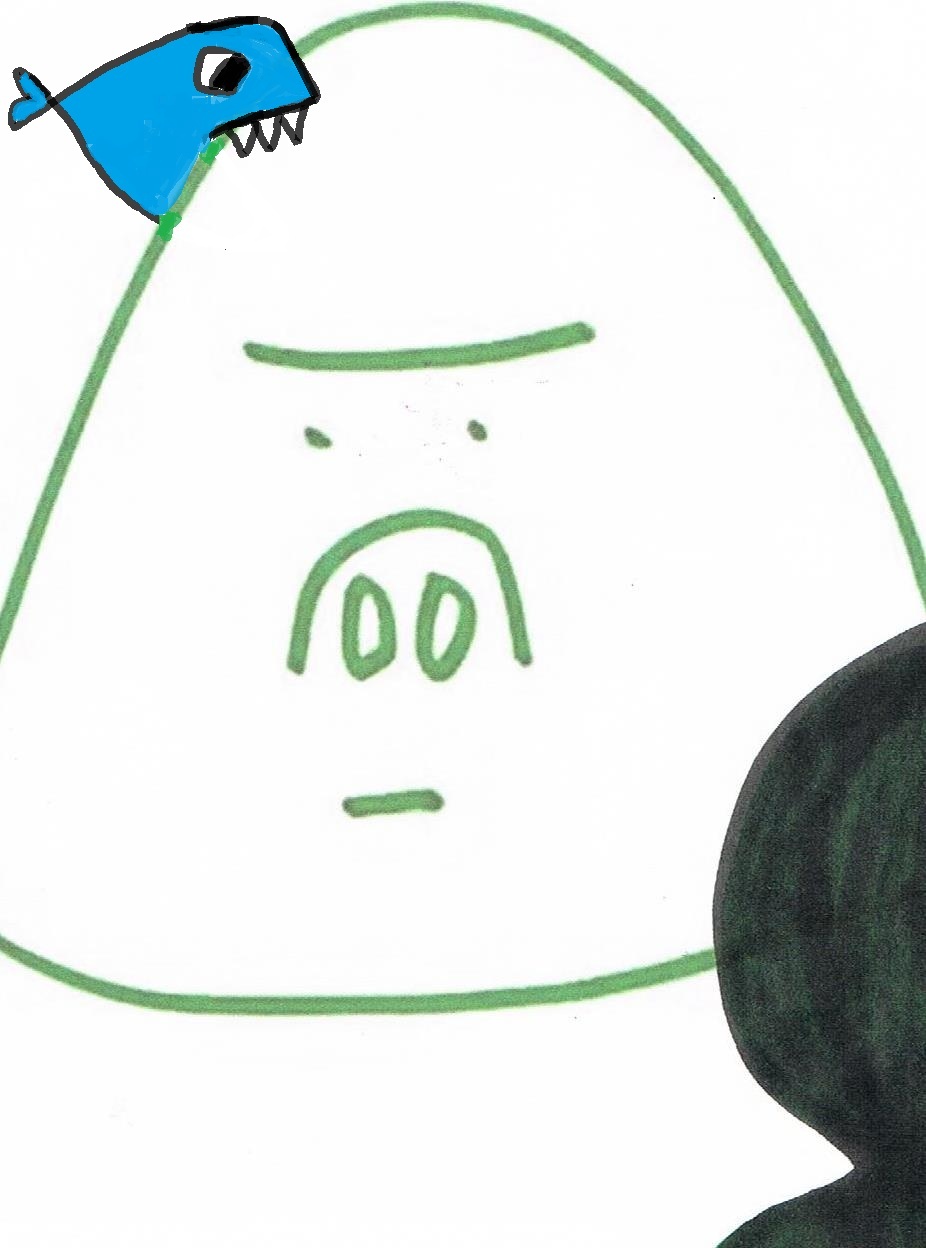
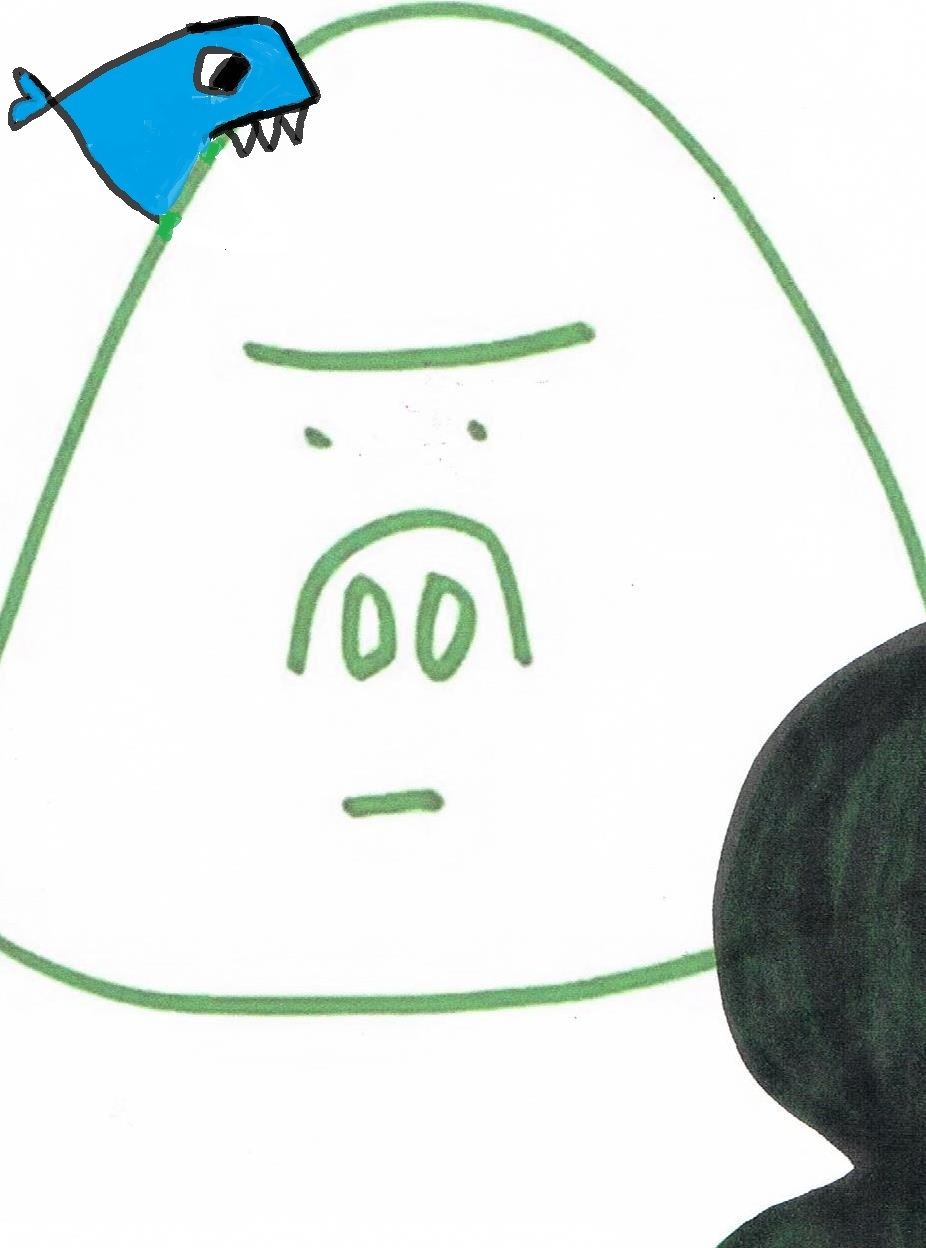
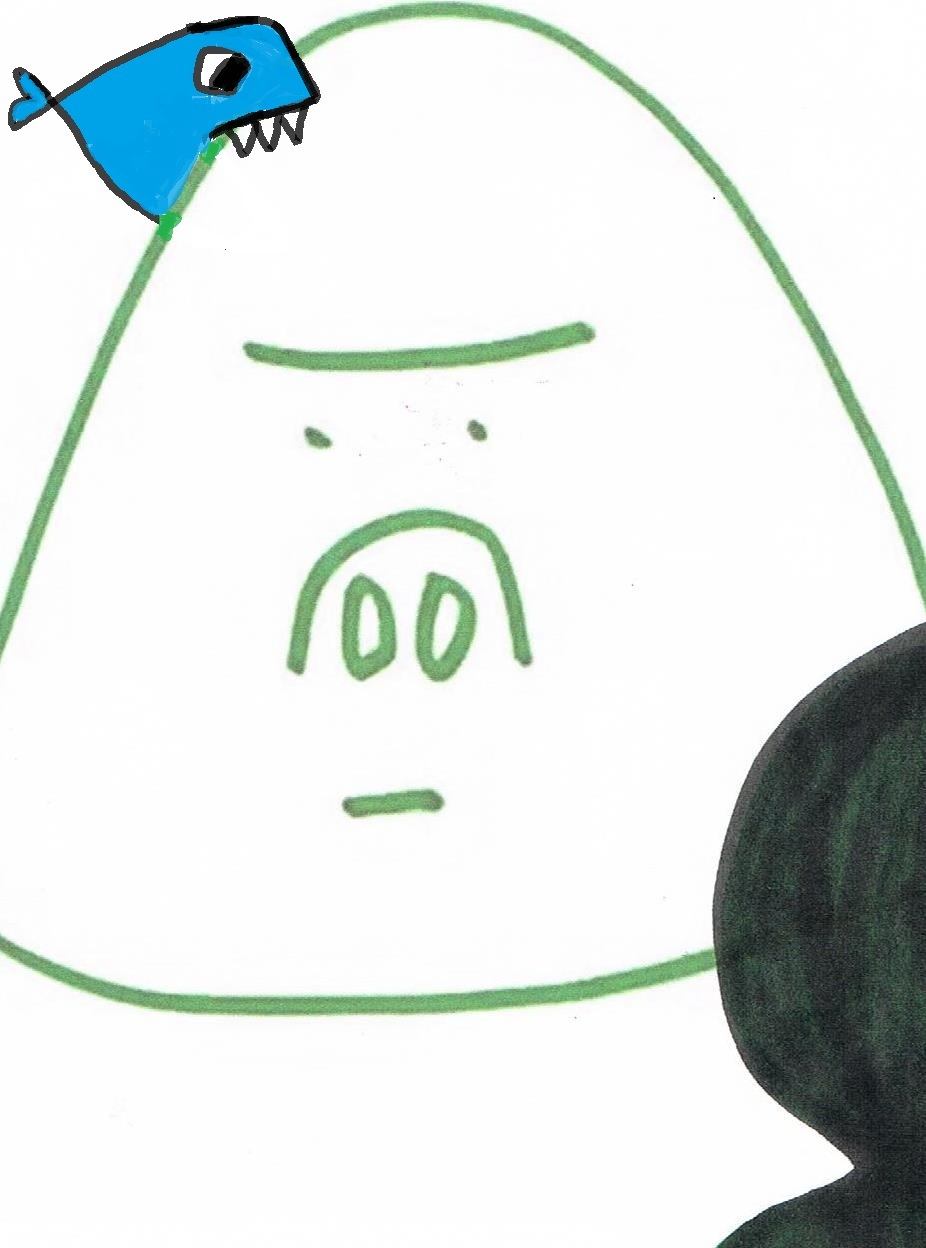
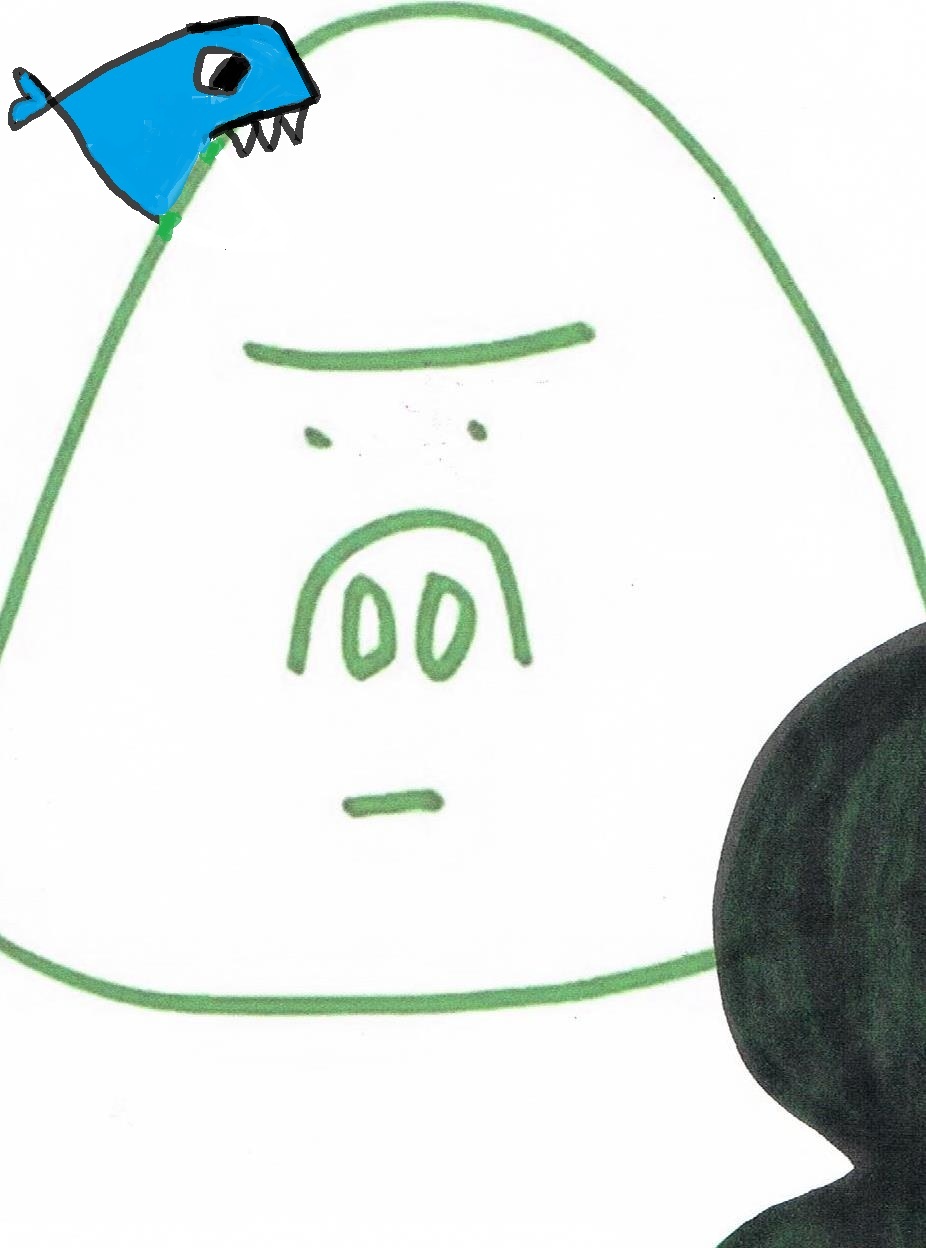
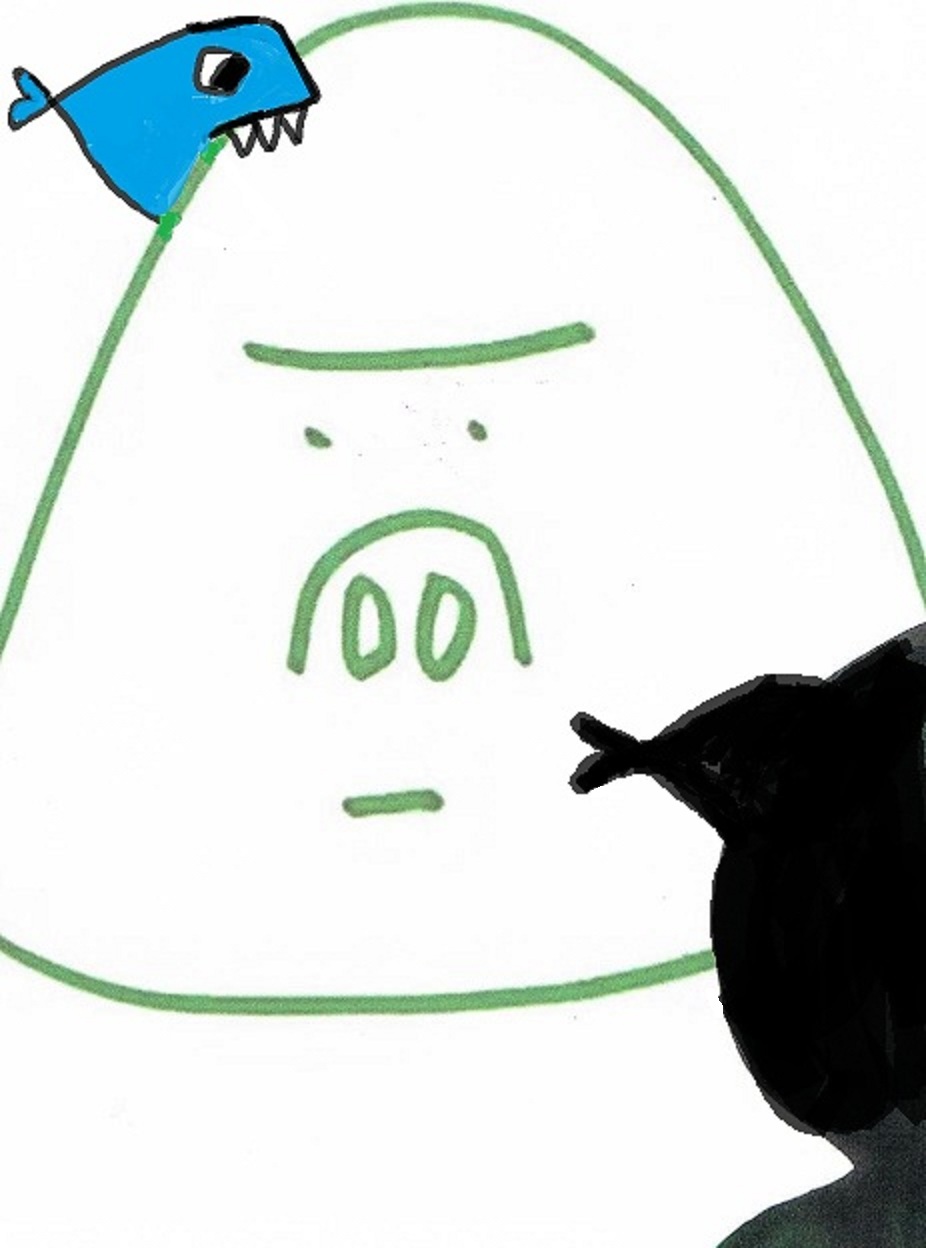
Also, you have a blue fish attached to your head.

1

2

3

4

bert (5)

1

2

3

4

What the hell is that, anyway?

1

2

3

4

A blue worry.

1

2

3

4

A what?

1

2

3

4

A worry that just sort of hangs around forever, nibbling on me.

1

2

3

4

Never goes away?

1

2

3

4

No.  Occasionally it stops nibbling, but it never goes away.

1

2

3

4

Like a permanently angry pet.

1

2

3

4

Something like that.

1

2

3

4

And why is it nibbling on you today?

1

2

3

4

I’m not sure, actually.  I can’t always tell.  I just know I feel nibbled on. 

1

2

3

I see.  Did you know I was a group therapist?

1

2

3

4

No.  So what?
1

2

3

Someone once said that everyone enters group therapy with three secrets.

1

2

3

4

What three secrets?

1

2

3

A secret sense of inadequacy, a secret sense of alienation, and a sexual secret.

1

2

3

4

Really?

1

2

3

Yes.  Which means everyone secretly feels not good enough, different from everyone else, and ashamed of their sexuality.

1

2

3

4

No shit?

1

2

3

4

No shit.

1

2

3

4

In other words, everyone….

1

2

3

…feels constantly nibbled at by the same three blue worries.

1

2

3

4

And you believe this?

1

2

3

4

I suspect there’s truth to it, yes.

1

2

3

* * *

Want more?

“Blue worry” describes secret reasons we occasionally feel lousy. 

Now read about secrets of a different sort.

No matter how much we earn, no matter how much we have in the bank, no matter how nice our clothing or cars or toys, none of it will make us happier. And the sad thing is that it could take us decades of pursuing wealth and luxury items before we realize this.

So what will bring us happiness? Luckily, it’s three things that don’t cost a thing. These three things have been proven by research — surveys of hundreds of thousands of people about what they have, what their lives are like, and how happy they are.

Here they are, the Three secrets to happiness.

By Leo Barbauta of Zen Habits.

* * *

Forget about money. Don’t fret about youth. Acting happy is likely to make you happy.

There are happy people. Researchers at the National Institute on Aging found that well-being is strongly influenced by enduring characteristics of the individual. In a 10-year study, they found that, regardless of whether their marital status, job, or residence had changed, people with a happy disposition in 1973 were still happy in 1983. There’s good news in these findings: Given the right disposition, in the face of difficulty, people can still find renewed happiness.

What makes for a happy disposition? Who are these people who stay basically up despite life’s downs? There are four important traits of happy people:

Fr0m The Secrets of Happiness at Psychology Today.

* * *

Life’s a piece of shit,

When you look at it.

Life’s a laugh and death’s a joke, it’s true.

You’ll see it’s all a show,

Keep ’em laughing as you go.

Just remember that the last laugh is on you.

From Eric Idle’s Always Look on the Bright Side of Life. sung by Eric with the assistance of four opera singers, a full chorus, an orchestra and an audience filled with glo-sticks at the Royal Albert Hall of Arts and Sciences.


* * *

So ahead, smile.  Just for the hell of it.

3

4


The tradeoff

 If you’re new to Monkeytraps,  Steve is a therapist who specializes in control issues, and Bert is his control-addicted inner monkey.

Steve speaking:)

Last night an insight came to me in a dream:

I’m the ex-husband of a woman who’s remarried twice since our divorce.  Somehow I’ve gotten re-entangled in her current life and agreed to take time each day to ferry her kids to school or appointments or something.

Her other ex-husband — a good-natured working man, played by Kevin Costner — has gotten himself similarly entangled.  Wife’s current husband is a stuffy businessman (let’s call him George) that both Kevin and I dislike.

One day we’re commiserating about how much we dislike George.  I decide I’m sick and tired of my entanglement and suggest to Kevin that we both just end it.  But Kevin’s scared of Wife.  He declines.

Then later I’m sitting with Wife and George and Kevin and suddenly feel free of my fear of consequences.  I tell Wife and George I’m ending our arrangement.  I tell Wife it’s been good to see her again, and that I really like one of her ex-husbands, and then, turning to George, say “But I really can’t stand you.”

Wife and George immediately begin to bicker.  I sit and watch them for a moment, feeling liberated. 

Then I get up and leave.

I wake up.  The dream fascinates me.  I have no idea what it means.

I roll out of bed and take a walk to think about it.

Gestalt dreamwork usually involves role-playing, but I’m not awake enough for that.  So I look for another way to understand it.

“A dream is an existential snapshot,” I remember Fritz saying.

What’s this a snapshot of?

What’s the situation it depicts?

What lesson is it trying to teach?

Let’s see.  In the dream I freed myself from an uncomfortable situation by telling the truth.

I regained control (of my life and time) by giving up control (of Wife’s and George’s reaction to me).

Bingo.

There’s the lesson:

To get control of something, you must surrender control of something else.

This feels important. For years I’ve been trying to understand control and surrender and to find some neat way of summarizing their relationship.

Now my unconscious has kindly offered one.  

(Thank you, Thing.)

So this business of controlling boils down to a tradeoff.  To get control of something, you must surrender control of something else.

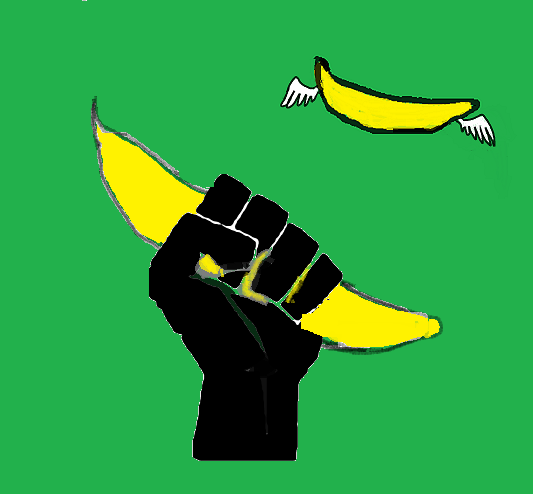
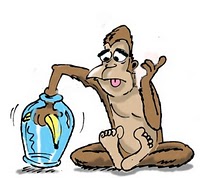
Like the original, literal monkey trap.  To hold on to the banana, the monkey gives up his freedom.  To regain his freedom, he must let the banana go.

To get control of something, you must surrender control of something else.

It also explains all garden-variety codependent interactions.  To control you (that is, get you to like or love or accept me) I must surrender control of something else (like my ability to be honest or spontaneous or emotionally expressive). 

Conversely, regaining control of my emotional life — especially how I feel about myself — means giving up control of how you react to me.

To get control of something, you must surrender control of something else.

And the New Year’s resolutions and goal-setting I blogged about last week.  It applies there too:

To reach a particular goal (writing my book, say) I must surrender control of others (like spending time with my family, or on chores that absorb my energy and attention).

To control of my weight I must surrender control (i.e., limit my choices) of what I put in my mouth.

To control my social anxiety I must surrender control of how other people judge me and practice being authentically myself instead.

And so on.

So obvious.

Why did I never see this before?

Control and surrender are two sides of the same coin.

And getting control of anything means accepting a tradeoff.

To get control in one place, you must give it up in another.

To win something, you must lose something else.

Holding on here means letting go over there.  And vice versa.

Tradeoff.

Balance.

Yin-yang.

Cool.

Thank you, Thing.

Want more?


If you surrender completely to the moments as they pass, you live more richly those moments.

~ Anne Morrow Lindbergh


 a

a

a

a


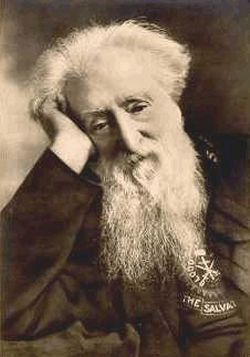
The greatness of a man’s power is the measure of his surrender. 

~ William Booth


a

a

a

a

a

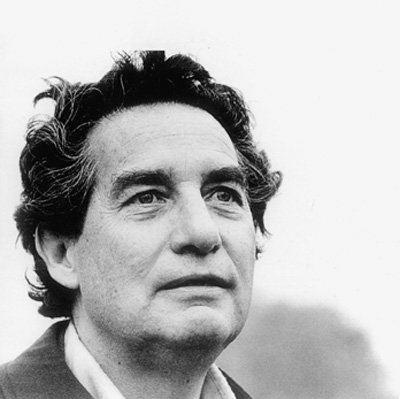
Love is an attempt at penetrating another being, but it can only succeed if the surrender is mutual.

~ Octavio Paz

 a 

a

a

aa

a


Growth demands a temporary surrender of security.

~ Gail Sheehy


a

a

a

a

a


The creative process is a process of surrender, not control.

~ Julia Cameron


a

a

a

a

a

Man is not logical, and his intellectual history is a record of mental reserves and compromises. He hangs on to what he can in his old beliefs even when he is compelled to surrender their logical basis.   

~ John Dewey

a

a

a

a

a

My friends, no matter how rough the road may be, we can and we will, never, never surrender to what is right.

~ Dan Quayle


a

a

a

a

a


Sorry for that last quote.  I found it, I was tempted, and I surrendered.

~ Bert 


Session 27: The do-over

1

2

So this New Year’s I tried an experiment.  I resolved to make no resolutions.

1

2

3

How come?

1

2

3

4

You convinced me I’m a control addict.  I figured this would be a good way to practice surrender.

1

2

3

How’s it going?

1

2

3

4

Guess.

1

2

3

4

Just another resolution you couldn’t keep?

1

2

3

4

Yup.

1

2

3

4

And now you feel like a failure.  Again.

1

2

3

4

Exactly.  What’d I do wrong?

1

2

3

45 

Just what addicts do: tried to control something you can’t control.  In this case, a feeling.  

1

2

3

My anxiety about the future.

1

2

Right.  You tried to make it go away by filling the future with goals and planning.  Didn’t work, right?

1

2

3

4

No.  What do I do now?

1

2

3

4

Learn from it.  That’s what relapses are good for, to teach you something.

1

2

3

4

Like what?
1

2

3

4

What’s the most obvious lesson here?

1

2

3

4

I have unrealistic expectations of myself.

1

2

3

4

Good.  That’s a crucial one.

1

2

3

4

And my next step?

1

2

3

4

A do-over.

1

2

3

4

Like in stickball?

1

2

3

4

Right.  Like when cars interrupt play.

1

2

3

4 

I can do that?

1

2

3

4

There’s no other way to recover.  Recovery is just one do-over after another.    

1

2

3

4

It is?

1

2

3

4

Sure.  We can’t avoid relapses.  We can only keep giving ourselves second chances to learn from them.

1

2

3

4

That feels better than calling myself a failure.

1

2

3

4

And one more thing.  This is crucial too. 

1

2

3

4

What?

1

2

3

4

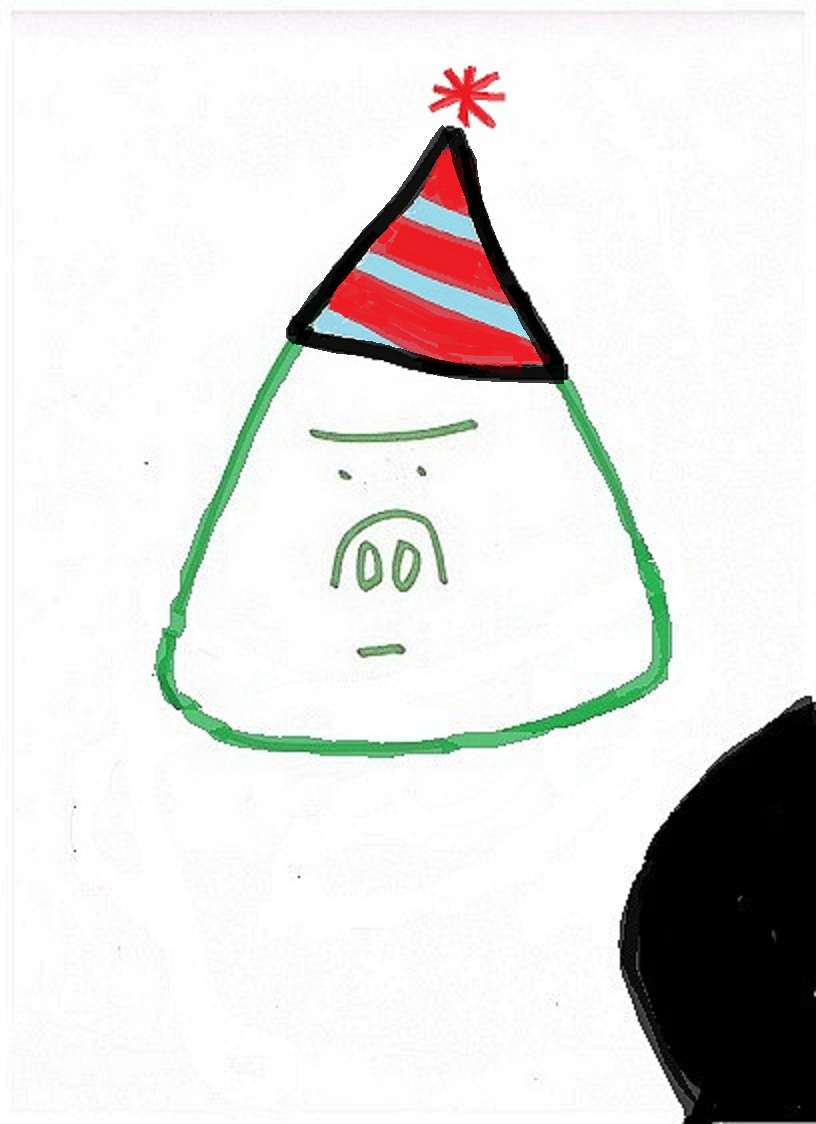
Lose the hat.

A

A

 * * *


Bert’s journal: Here goes nothing

(If you’re new to Monkeytraps, Steve is a therapist who specializes in control issues, and Bert is his control-addicted inner monkey.

The following is excerpted from Bert’s recovery journal.  I’m printing it without his permission.  Don’t tell him.)

December 28, 2011

On vacation. 

In relapse. 

Monday I typed up four New Years resolutions.  Put them in a desktop folder titled “Goals 2012.”  Felt virtuous. 

Added two more goals yesterday.  That made six. 

Then went back and added subgoals, or steps, or whatever.  Then a couple of sub-subgoals.  Then sat and looked at them for a while.  Felt tired.

Today I remembered reading somewhere that a goal without a plan is just an idle wish. 

So I sat down and tried to draft a step-by-step plan for each goal that would actually enable me to reach it.

Even tried to make them SMART:  Specific, Measurable, Achievable,  Realistic, and Time-framed.   

Stopped after an hour. 

Felt nauseous in my head.

Well, in the left side of my brain anyway.  The right side wanted to go off and find a substance to abuse.  Found Twinkies.

I go through this horseshit every year.  It’s embarrassing.  The resolutions or goals or whatever are always the same (meditate more, eat less, walk daily, make more  money, take more emotional risks) , which means I’m no more likely to reach them this year than last.  

Writing the list gets harder and harder. 

Completing it feels like signing a mortgage.   

But apparently I can’t help myself.  Starting the new year without a plan feels like going outside without pants.

Goals are good, right?  Planning is necessary?  It’s smart to be SMART?

I don’t feel smart.  I feel like a moron.     

Sigh.

What was it Fritz said about the future?  Here:  

We imagine, we anticipate the future because we don’t want to have a future…. We fill in the gap where there should be a future with insurance policies, status quo, sameness, anything so as not to experience the possibility of openness towards the future. 

Do I dare give up this stupidass habit, this annual minuet with fear? 

Can I abstain from trying to control the future? 

Have no plans?

Abandon goals?

Surrender to openness? 

Live a day at a time?

Let life just happen?  Unfold? 

And practice being present for it? 

Like Mary Oliver:

When it’s over, I want to say: all my life
I was a bride married to amazement.
I was the bridegroom, taking the world into my arms.
When it is over, I don’t want to wonder
if I have made of my life something particular, and real.
I don’t want to find myself sighing and frightened,
or full of argument.
I don’t want to end up simply having visited this world.

 Dare I resolve…nothing?

 Here goes nothing.


* * * 

Want more?

EMILY:   Good-bye, Good-bye, world.  Good-bye, Grover’s Corners…  Mama and Papa.  Good-bye to clocks ticking…and mama’s sunflowers.  And food.  And coffee.  And new-ironed dressed and hot baths…and sleeping and waking up.  Oh, earth, you’re too wonderful for anybody to realize you.

She looks towards the STAGE MANAGER and asks abruptly, through her tears:

Do any human beings ever realize life while they live it?  Every, every minute?

STAGE MANAGER:   No.

Pause.

The saints and poets, maybe — they do some.

~ From Our Town by Th0rnton Wilder.


Watch Penelope Ann Miller deliver this monologue, and the play’s conclusion, here.

a

a
a

* * *


Peace. Good will.


* * *

For those of you who celebrate Christmas, and anyone who enjoys a good flash mob:


(1) Click here to watch the surprise performance given on December 18 at a mall in California.  (The guys on the escalator are Bert’s favorite.)


(2) Click here to watch 3500 people — directed by one Omnipotent Voice — meet, dance and sparkle on July 27 in New York City.


(3) Click here to see dancers unexpectedly perform “Do Re Mi” at the Antwerp Central Station in Belgium in 2009. (If you’re not smiling by the end of this, check thy pulse.)


* * * * * * * *


Just the world

(If you’re new to Monkeytraps, Steve is a therapist who specializes in control issues, and Bert is his control-addicted inner monkey.

This is the second in a series of posts about the nuts and bolts of recovery from control addiction.

Steve speaking:)

Yesterday in session something happened that reminded me of Bert’s last post, the one about reframing. 

Annie was crying on my sofa, because we were talking (again) about her marriage to an emotionally abusive man. 

And at one point she looked at me through her tears and asked,  “What did I do to deserve this?”

It wasn’t a rhetorical question.  She wanted an answer.

Aha, I said to myself.  There speaks the Just World Hypothesis.

I asked Annie if she’d heard of it.

“The what?” she said.

“The Just World Hypothesis,” I said.  “Most people believe in some form of it.”

The Just World Hypothesis (or Theory, or Fallacy) amounts to the belief that the universe is arranged so that people get what they deserve.

Good things happen to good people, in other words, and  bad things happen to bad.  

Most people believe this, even if they’re not aware of it.  Which explains why people tend to feel guilty when bad things happen to them. 

It’s common among religious people, raised on the idea of sin.  But belief in God is no prerequisite to belief in a Just World.  I once worked with an atheist who argued endlessly against the existence of God but never doubted, when confronting personal misfortune, that he himself  had  somehow caused it.

Why do we cling to this bias?

Control.  Or the illusion thereof.   

“Because it’s far too frightening for many to accept that bad things can happen to good people — and therefore that they themselves have no control over whether bad things might happen to them someday — they will instead search for ways to differentiate themselves from victims of ill fortune,” writes Renée Grinnell.  “For example, outsiders might deride people whose houses were destroyed by a tornado, blaming them for choosing to live in a disaster-prone area or for not building a stronger house.”

Belief in a Just World also leads to even more pernicious misinterpretations, like blaming the victim. 

Afterwards, they said that the 22-year-old woman was bound to attract attention. She was wearing a white lace miniskirt, a green tank top, and no underwear. At knife-point, she was kidnapped from a Fort Lauderdale restaurant parking lot by a Georgia drifter and raped twice. But a jury showed little sympathy for the victim. The accused rapist was acquitted. “We all feel she asked for it [by] the way she was dressed,” said the jury foreman.  (From “The Just World Theory” by Claire Andre and Manuel Velasquez.)

The type of blaming I’m most familiar with is self-blame, where clients actually impede their own recovery by taking unrealistic and unfair responsibility for bad things that happen to them.

It’s particularly common among abuse victims, and people who grew up in alcoholic or otherwise dysfunctional families prone to unpredictability and emotional turmoil, where kids often got blamed for things that weren’t their fault.  This left them feeling vulnerable, vaguely guilty, and too quick to blame themselves.  

Annie grew up in such a home. 

I explained all this to her.

“So you don’t believe in a just world?” she asked me. 

“I believe in justice,” I said.  “But the Just World Hypothesis is bullshit.  Look around you.  Bad things happen to good people all the time.  Shit happens.”

“Shit happens,” she repeated.

“All the time,” I said.  “And we have to find some way to make peace with it.  With the world as it is.  It’s not a just world.  It’s  just the world, as is.  Messy.  Unpredictable.  And mostly beyond our control.”

She’d stopped crying.  Some of the strain had left her face.  She wiped her eyes. 

“Shit happens,” she said.  “Interesting idea.”

* * *

Want more?

What’s going on here, it’s suggested, is a quest for a feeling of security. The suggestion that victims of rape were “asking for it” is a case in point: if you can convince yourself that victims deserve to be victimised, you don’t need to fear that you and yours – who don’t deserve it – might have to endure the same fate….

a

a

a

The just world hypothesis sees suffering and concludes that people who suffer must be the kind of people we disdain.

From “Just World Theory” at rethink.org.


Bert’s tricks: Reframing


(If you’re new to Monkeytraps, Steve is a therapist who specializes in control issues, and Bert is his control-addicted inner monkey.

That’s Bert at left, surrendering a little.

Bert speaking:)

Had breakfast this morning with my friend Richard.

“I liked that last post,’ he said, “about the alternatives to control.  Very helpful.”

“Thanks,” I said.  “I’m not looking forward to writing the next one.”

“Why not?”

“The last one was theoretical.  Now I have to write about how hard the alternatives are to practice.  And I have to admit that, even though I’m the so-called expert, I’m not very good at any of this stuff.”

He smiled.  “Maybe that’s what people need to hear.”

Oh.  Okay.     

I’m not very good at any of this stuff.

Then again, I’m better than I was.

And one of the things I’ve learned in recovery is that sometimes better is good enough.

See what I did there?

That’s called a reframe.

It’s is a sort of trick I play on myself.  The cognitive equivalent of taking a giant step to one side and looking at something from a new point of view.

“Reframing is simply changing the meaning of an event or experience, in the way that placing a picture in a different picture frame somehow changes the look of it,” writes Jan Brause.  “Human beings are meaning making machines and we learn the meaning of things from an early age from our individual culture and the significant others in our lives. The meaning or ‘frame’ that we place on something has a significant impact on how we respond to it.”

In other words: Change the frame you place around what you see, and you change what you feel when you see it.

And it works. 

A classic example:

I cried because I had no shoes,

until I met a man who had no feet. 

Now, I’m a control addict, which means my initial reaction to any pain,  problem or stressor — in short, any reality that displeases me —  is to look for some way to control it.  And when I can’t find one I feel angry and entitled to complain.  

This reaction comes from the unconscious assumption that control is always, always a good and necessary thing.  Reframing means challenging that assumption.

For example:

The other night in the library parking lot I slammed my car door on the buckle to my seat belt, which bent some thingy in the door and made it impossible to close.  So I rolled down the window and put my arm through it and drove home that way, hugging the door shut. 

It was a cold night.  My fingerstips felt blue.  My shoulder began to ache from hugging.  I spent the first half of the drive home cursing my bad luck. 

Then, two miles from home, I passed a woman walking on the street.  She was overweight, had an Ace bandage on her knee, grocery bags in both hands, and she was limping.

Hello, reframe.

Note:  This there-but-for-the-grace-of-God, attitude-of-gratitude stuff is just one sort of reframing.  There are plenty of others, which I’ll describe in future posts.  But I thought this was a good place to start, given the season and all.      

In closing, a holiday gift for all you other control addicts. 

It’s a Zen story.* 

Read it next time some reality displeases you.

It’s about how life teaches us reframing, if we let it. 

Once upon the time there was an old farmer who had worked his crops for many years.  One day his horse ran away.  Upon hearing the news, his neighbors came to visit.  “Such bad luck,” they said sympathetically.

“Maybe,” the farmer replied.

The next morning the horse returned, bringing with it three other wild horses.  “How wonderful,” the neighbors exclaimed.

“Maybe,” replied the old man.

The following day, his son tried to ride one of the untamed horses, was thrown, and broke his leg.  The neighbors again came to offer their sympathy on his misfortune.

“Maybe,” answered the farmer.

The day after, military officials came to the village to draft young men into the army.  Seeing that the son’s leg was broken, they passed him by.  The neighbors congratulated the farmer on how well things had turned out.

“Maybe,” said the farmer.

Happy reframing.

*(From The 10 Very Best Zen Stories at awakeblogger.com.) 

* * *

Want more?

Students used a variety of coping strategies including emotional or instrumental support; self-distraction; denial; religion; venting; substance use; self-blame; and behavioral disengagement.

Of these, using social support (both emotional and instrumental), denial, venting, behavioral disengagement, and self-blame coping had negative effects on satisfaction at the end of the day.

That is, the more students used these coping strategies in dealing with the day’s most bothersome failure, the less satisfied they felt at the end of the day.

In contrast, positive reframing (i.e., trying to see things in a more positive light, looking for something good in what happened), acceptance and humor coping had positive effects on satisfaction.

From Using humor to cope with setbacks at pyschcentral.com.


The alternatives

a

(If you’re new to Monkeytraps, Steve is a therapist who specializes in control issues, and Bert is his control-addicted inner monkey.  Bert speaking:)

At the end of a recent post (The Talk) Steve wrote,

So each of us needs to examine the role control plays in our lives.  Which means we need to learn how to (a) notice when we’re controlling, (b) decide if our controlling is healthy or not, and (c) learn alternatives to the unhealthy sort.

Steve’s friend Lisa replied by asking for an explanation of (c), the alternatives to unhealthy controlling.

Now, Steve — the shrinky theorist — and I — the recovering control junkie — have slightly different views of this subject.

So I’m breaking our answer into two parts.

First, the shrinky-theorist view:

There are three alternatives to compulsive controlling: surrender, responsibility and intimacy.

Surrender is the ability to give up controlling what you can’t control anyway. It grows out of believing that you can let go and things will still be okay.  Often described with words like “detachment,” “acceptance,” and “faith,” surrender is the spiritual alternative to control.

Responsibility is the ability to reply to a situation honestly and with some self-awareness.  It grows out of listening to your feelings (instead of hiding or editing them) and trusting that what they tell you is both friendly (not to be feared) and important (not to be ignored). Often described with words like “presence,” “mindfulness” and “authenticity,” responsibility is the emotional alternative to control.

Intimacy is the ability to be yourself with another person and allow them to do the same.  It’s actually a combination of the first two alternatives, since it requires that you both (a) abstain from controlling someone (surrender) and (b) share the truth about yourself (responsibility).  The interpersonal alternative to control, intimacy represents the high-water mark of emotional development — i.e., it’s about as healthy as we human beings get.

By the way, I didn’t invent these alternatives.  I just noticed and named them.

They’re what all addicts who decide they no longer want to be ruled by addiction — to control or anything else — must practice in recovery.

So instead of controlling reality, they practice accepting reality as-is.  This includes not agonizing over past events or fantasizing scary futures.  They give up wrestling with all that, and pay attention instead to what’s happening here and now.  That’s surrender. 

Instead of controlling feelings, they practice identifying what they feel and finding ways to express it appropriately.  This includes owning feelings they carry around from the past and noticing when those old feelings get triggered in the present.  That’s responsibility. 

And instead of controlling other people, they risk coming out of hiding and connecting in authentic ways.  This includes giving up, as best they can, attempts to manipulate how others see them and think about them and feel towards them.  That’s intimacy.


Questioning the iceberg

(Steve and Bert are fighting a particularly stubborn cold, and so have decided to recycle and expand a post we wrote over a year ago:)

Peary relates that on his polar trip he traveled one whole day toward the north, making his sleigh dogs run briskly. At night he checked his bearings to determine his latitude and noticed with great surprise that he was much further south than in the morning. He had been toiling all day toward the north on an immense iceberg drawn southwards by an ocean current. ~ Jose Ortega y Gassett

a

Here’s why the idea of control fascinates me.

It’s an emotional iceberg, constantly carrying each of us southwards — away from where we want to go or where we think we’re headed.

Its size and invisibility make it easy to overlook.

But ignoring it is dangerous.

Because it hardly matters how hard you mush towards your goal when the iceberg keeps moving you in the opposite direction.

So:

Feeling lost?  Stuck?  Exhausted?  Depressed?

Stop mushing, already.

Question the iceberg instead.

You can do that by asking yourself:

(1) What is it I’m trying to control here?

(2) Have I been able to control this thing successfully in the past?

(3) If not, what can I do instead?

To answer (3), you’ll need to know something about the three alternatives to control.

We call them surrender, responsibility and intimacy.

They’ll be our subject next time.

* * *


Session 26: Dandelions

My wife and I are fighting again.

1

2

3

4

What about?

1

2

3

4

The same thing.  It’s always the same thing.

1

2

3

4

therapist (2)

1

2

3

4

We’ve been having the same fight for years.

1

2

3

4

therapist (3)

1

2

3

4

I say the same stuff.  She says the same stuff.  Nobody wins.

1

2

3

4

therapist (4)

1

2

3

4

The same stupid fight, over and over.

1

2

3

4

th

1

2

3

4 

Why do we do that?

1

2

3

4

Do you have a lawn?

1

2

3

4

Yes.

1

2

3

4

Any dandelions on the lawn?

1

2

3

4

Sure.

1

2

3

4

What happens when you mow dandelions? 

1

2

3

4

They grow back.

1

2

3

4

And keep growing back until you kill the root. 

1

2

3

4

Our fights have roots?

1

2

3

4

Right.  Unconscious ones. 

1

2

3

4

What can I do about it?

1

2

3

4

Start digging.

1

2

3

4

For what?
1

2

3

4

Unfinished business you brought into the marriage.

1

2

3

4

Such as?
1

2

3

4

Unhealed wounds.   Unmet needs.  Unexpressed feelings.

1

2

3

4

Oh.  Great.

1

2

3

4

1

2

3

4

x

1

2

3

4

How are you feeling right now?

1

2

3

4

x

1

2

3

4

Tell me.

1

2

3

4

Like I have terminal athlete’s foot.

1

2

3

4

therapist (17)therapist (18)

1

2

* * *


The Talk

(If you’re new to Monkeytraps, Steve is a therapist who specializes in control issues, and Bert is his control-addicted inner monkey.

That’s Bert at left, giving The Talk.

Bert speaking:)

Alas, I am cursed.

Well, not me so much.  The other me.  The shrinky part.

In the past two weeks Steve met with three new clients and gave each of them his latest version of The Talk.

The Talk is what I call his attempt to compress the theory he’s been developing for two decades into a five-minute sound bite. 

He’s been doing this for years now, editing and reshaping and tweaking The Talk along the way.  But I get nervous whenever he gives it. 

I’m afraid he’s confusing people. 

And that’s because I suspect all his explanations are fatally afflicted by the so-called Curse of Knowledge.

“Once we know something, we find it hard to imagine what it was like not to know it,” write Chip and Dan Heath.*  “Our knowledge has ‘cursed’ us.  And it becomes difficult for us to share our knowledge with others, because we can’t readily re-create our listeners’ state of mind.”

Steve’s theory is about the idea of control.   And control is an idea he’s has been immersed in for so long — reading and writing and thinking and talking and even, god help us, dreaming about it — that I fear it’s impaired his ability to communicate with normal people.

So, dear reader, I have a favor to ask you.

Read The Talk below.   It’s short, just 269 words. 

Then write back and tell me your reaction.  

Which parts are clear?  Which parts are confusing?  Which parts do you need to have explained more?

Be honest. 

Please.

Thanks.

* * *

(The Talk)


Control means the ability to dictate reality —

to make people, places and things

behave the way we want them to.


We each carry around in our heads

a picture of the reality we want.

And we constantly compare that picture

to the reality we have.


Anything we do to bring those two closer together

— to change what we have into what we want —

I call controlling.


Studying this phenomenon

has led me to four conclusions:


(1) We’re all addicted to control.


(2) This addiction causes most

(maybe all) emotional problems.


(3) Behind all controlling is

the wish to control feelings.


(4) There are better ways to handle feelings

than control.


Now, this view of control can be confusing,

because so often control is so clearly

a good and necessary thing.


I won’t willingly surrender control

when I’m driving my car on wet pavement,

or my kid gets sick and needs a doctor,

or garbage piles up in my kitchen,

or a mosquito tries to bite me,

or in any of a million other

daily situations.


But:

there are two areas where

controlling tends to cause

more problems than it solves:

feelings

and

relationships.


Why?


Because

~ Overcontrolling feelings

tends to make us sick — 

anxious, depressed, addicted;

while

~ Overcontrolling other people

tends to annoy, scare,

and alienate them.


So each of us

needs to examine the role

control plays in our lives.


Which means we need to learn how to

(a) notice when we’re controlling,

(b) decide if our controlling is healthy or not,

and

(c) learn alternatives to

the unhealthy sort.


(THE END) 


 * * *

Want more?

What is the Curse of Knowledge, and how does it apply to science education, persuasion, and communication? No, it’s not a reference to the Garden of Eden story. I’m referring to a particular psychological phenomenon that can make our messages backfire if we’re not careful.

From Overcoming the curse of knowledge. by Jesse Galef. 


________________________________________________

*Chip & Dan Health, Made to stick: Why some ideas survive and others die