
Category Archives: control
 That does sound familiar.
Session 34: Holes
 Bert 1
1
2
3
4
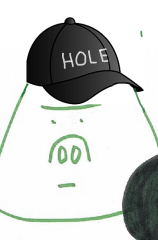
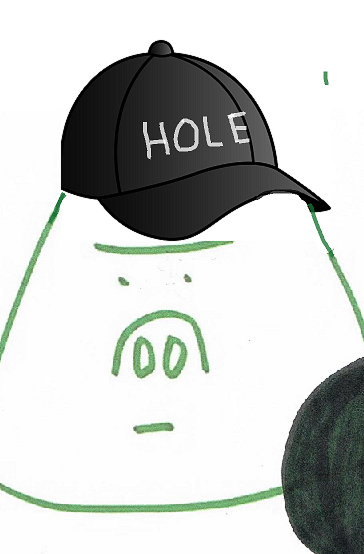
What’s with the hat?
1
2
3
I just felt like wearing it.
1
2
3
4
“Hole”?
1
2
3
It’s how I’m feeling lately.
1
2
3
4
therapist 3
1
2
3
Like something’s missing.
1
2
3
4
Something in you?
1
2
3
Yes.
1
2
3
4
What triggered this?
1
2
3
Remembering my childhood.
1
2
3
4
Oh.
1
2
3
4
Dad’s drinking. Mom’s depression. How they fought.
1
2
3
4
therapist 7
1
3
4
How they weren’t really there.
1
2
3
4
And the hole that left in you.
1
2
3
4
Right.
1
2
3
4
Well, I have a present.
1
2
3
4
A present?
1
2
3
4
Yes. See that box by your foot?
1
2
3
Yes.
1
2
3
4
Open it. It’s yours.
1
2
3
 Thanks. Not sure it fits.
1
2
3
4
Just listen for a moment.
1
2
3
Bert 13
1
2
3
4
We all have holes. All of us.
11
bert
1
2
3
But you’re nobody’s kid now. Your parents are gone. This is your life.
1
2
Bert 14
1
2
3
4
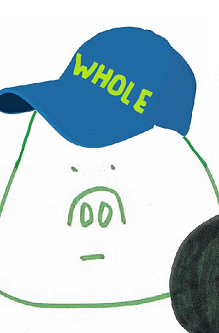
And you can wear any hat you want to.
1
2
3
Really?
1
2
3
4
Really.
1
2
3
I don’t know. This still feels a little large.
1
2
3
4
You’ll grow into it.
1
2
3
………………. * * *
Session 33: Irritated
 Bert 1
1
2
3
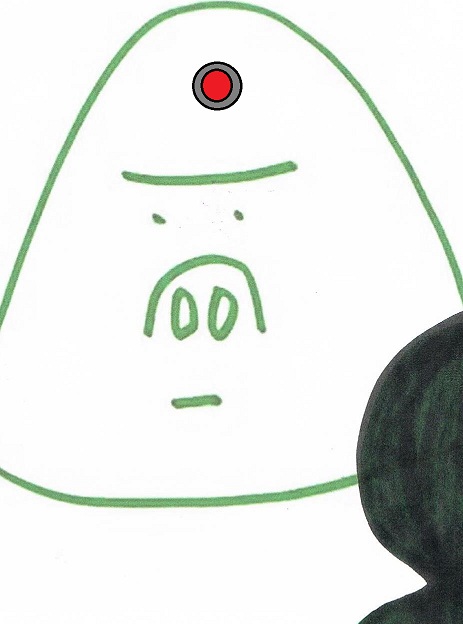
What’s wrong?
1
2
3
Nothing. I’m fine.
1
2
3
You don’t seem fine.
1
2
3
What do you mean?
1
2
3
You seem irritated.
1
2
3
I’m not. I’m fine.
1
2
3
Okay.
1
2
3
 Bert 5
1
2
3
If you say so.
1
2
3
Bert 6
1
2
3
therapist 6
1
2
3
What?
1
2
3
therapist 7
1
2
3
Jeez, let it go, will you?
1
2
3
therapist 8
1
2
3
Okay. Okay. I’m irritated.
1
2
3
How come?
1
2
3
Hell, I don’t know. I’ve felt irritable for two days.
1
2
What are you doing about it?
1
2
3
Nothing. Ignoring it.
1
2
3
So I gathered. You own a car?
1
2
Sure.
1
2
You know the red light on your dashboard?
1
2
The one that lights when my engine overheats?
1
Yes. What do you think of a driver who covers that light with duct tape?
1
2
3
Stupid.
1
2
3
For ignoring the warning, right?
1
2
3
Sure.
1
2
Well, irritability is your body’s red light.
1
2
3
What’s it mean?
1
2
Something wrong under the hood. Some imbalance.
1
2
3
bert
1
2
My point is, don’t tape over the damn light.
1
2
bert
1
2
Don’t mask it with work, or food, or alcohol, sleep, or tv, or giving to other people.
1
1
1
2
Pay attention to yourself.
3
Or end up on a lift or something?
1
2
3
You wouldn’t be the first.
1
* * *
Session 32: Selfish
 bert 1
2
3
4
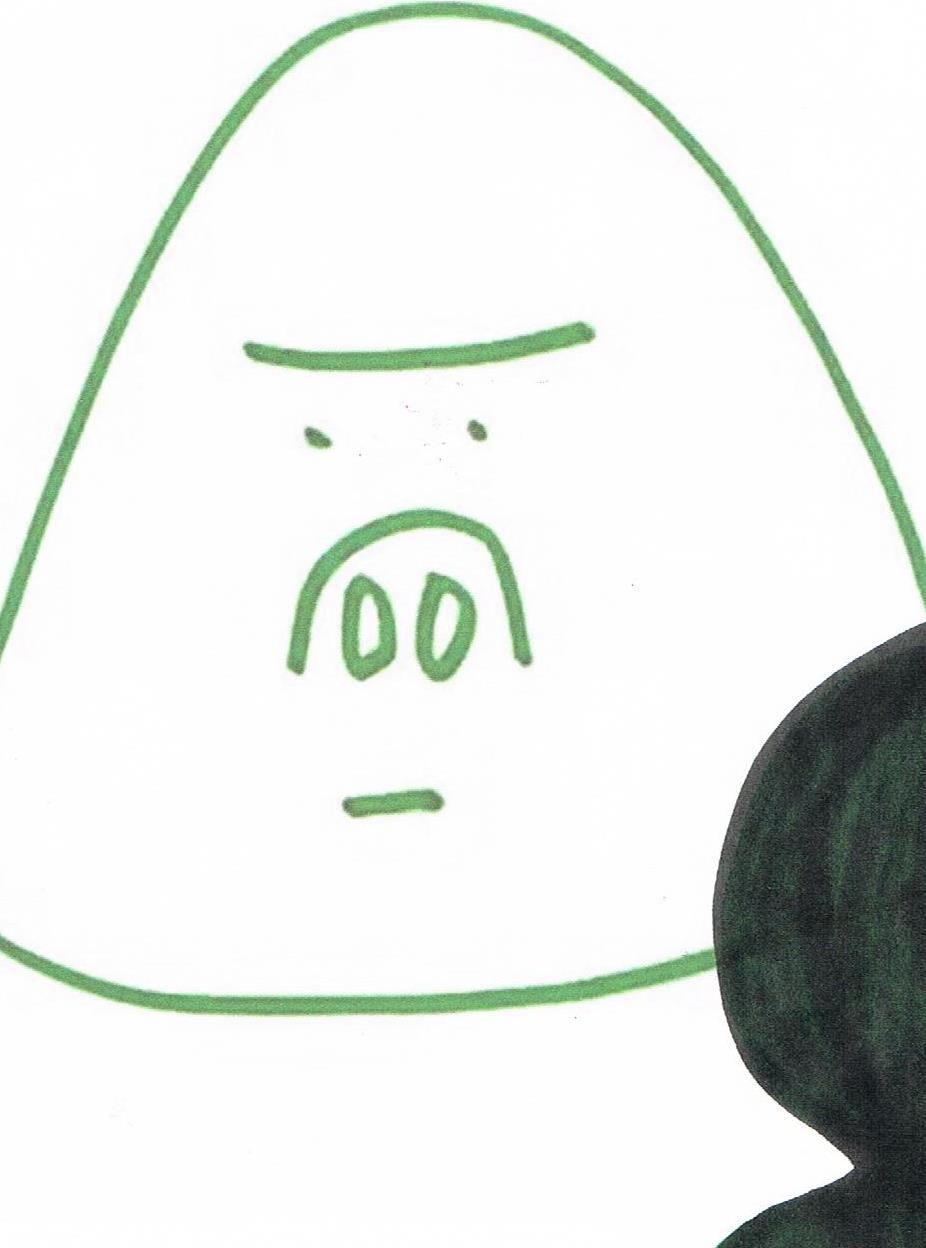
How was your weekend?
2
3
4
 Lousy. Felicia and I fought.
2
3
4
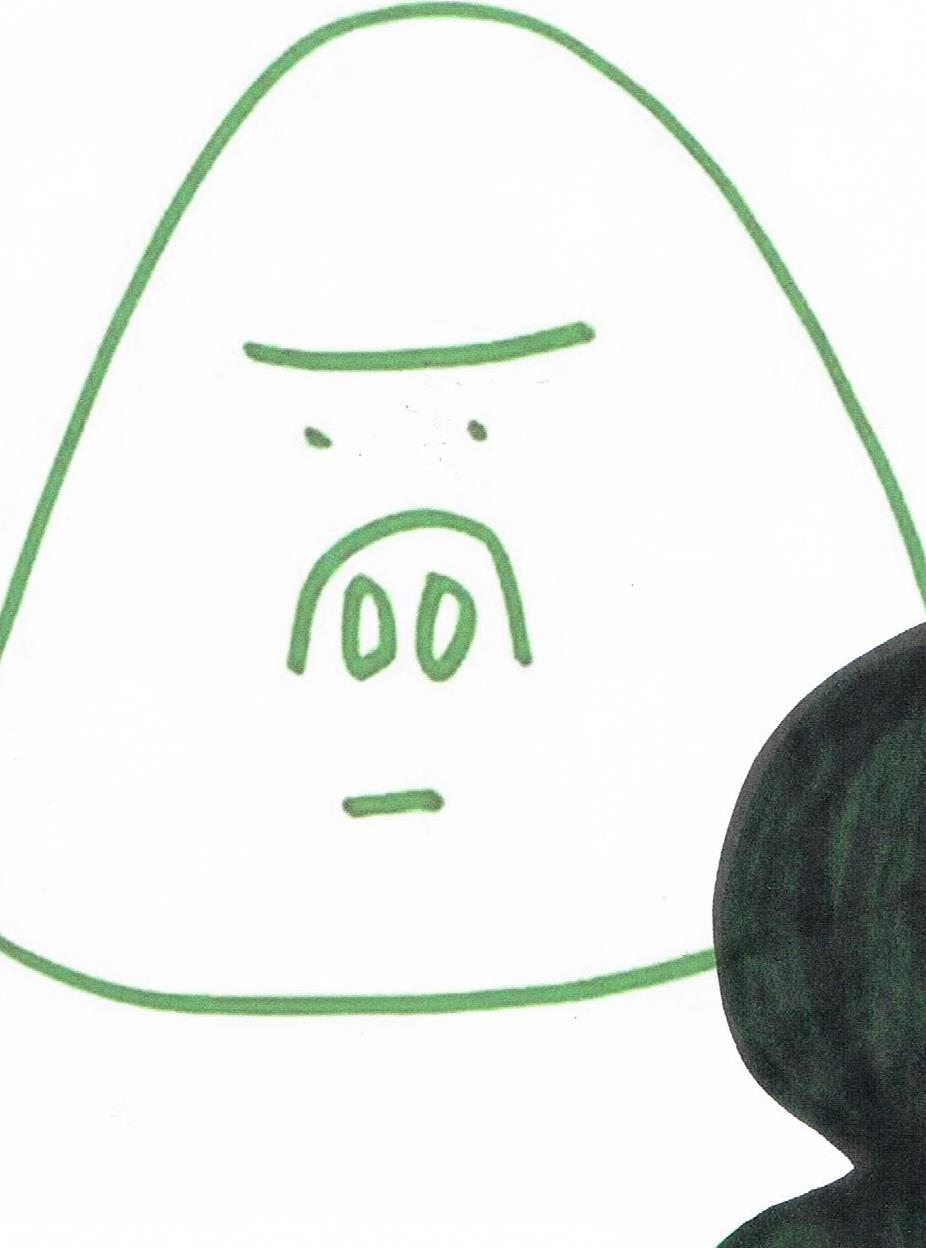
What about?
2
3
4
 I took a nap.
2
3
4
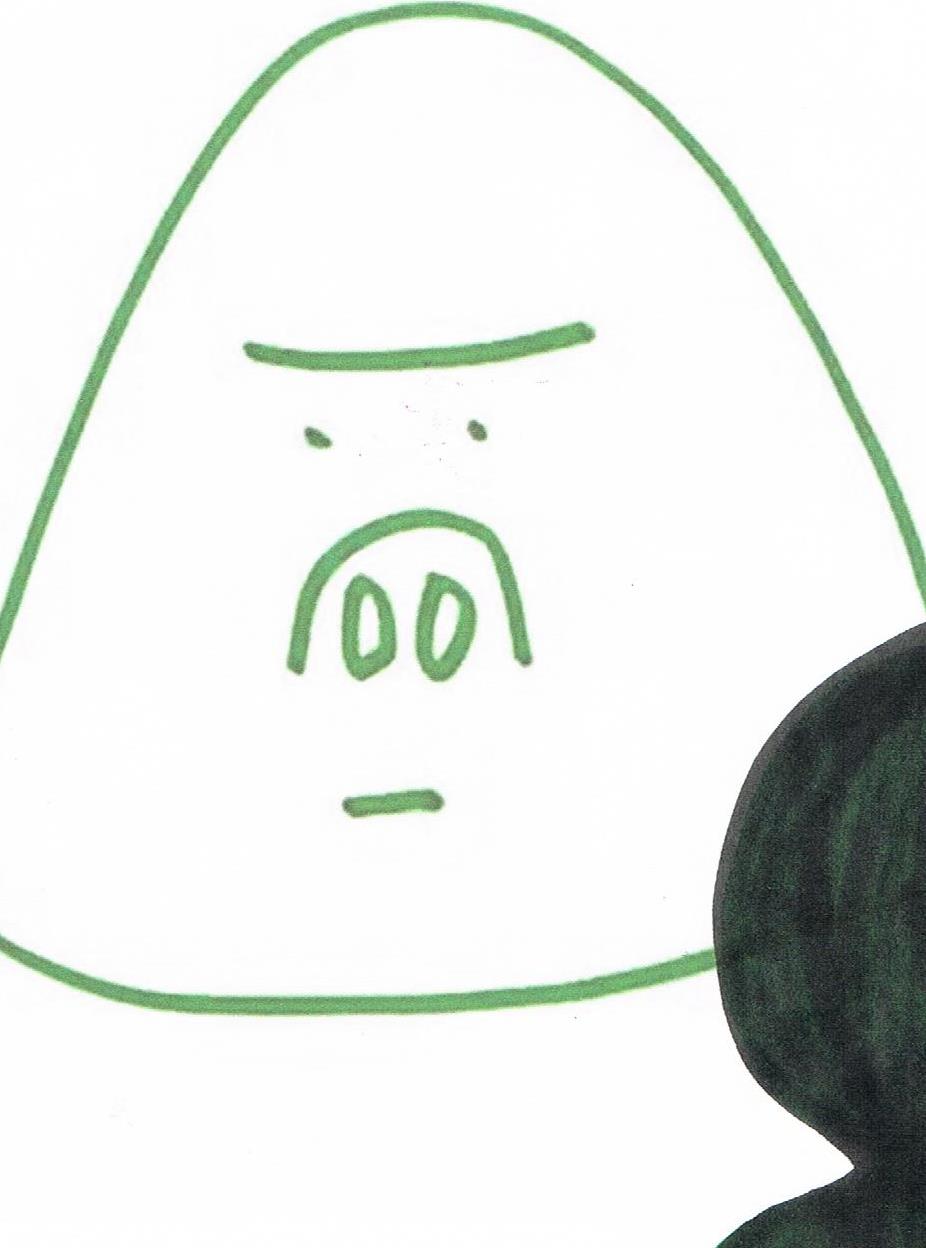
You fought about that?
2
3
4
 Well, she wanted to go shopping instead.
2
3
Oh.
2
3
4
 She called me selfish.
2
3
4
Do you think you’re selfish?
2
3
4
 I guess so. Mom always said I was.
2
3
And Mom thought “selfish” was a bad thing.
2
3
4
 Of course.
2
3
4
Funny thing about that.
2
3
4
About what?
2
3
4
People who call other people selfish.
2
3
4
What about them?
2
3
4
They’re usually pretty good at being selfish themselves.
1
2
3
bert
1
What they seem to mean is “Don’t take care of YOUR self. Take care of MY self instead.”
2
3
4
bert 10
2
3
4
Ever notice that?
2
3
4
Not until now.
2
3
And how are you at taking care of yourself?
2
3
4
Terrible.
2
3
Scared someone will call you selfish?
2
3
4
Yeah.
2
3
4
So you end up not selfish enough?
2
3
4
Yeah.
2
3
Well, don’t feel bad. It’s a tough manipulation to defend against.
2
3
4
bert
2
3
Then again, if you don’t take care of yourself, who will?
2
3
4
Probably not Felicia. Or mom.
3
4
5
Be my guess.
2
3
4
Bert
2
3
4
How are you feeling right now?
2
3
4
Like I deserve another nap.
2
3
4
5
6
7
8
*************** * * *
Session 31: Happy
 bert 1
2
3
4
Still unhappy, I gather.
2
3
4
 Yeah.
Yeah.
2
3
4
Why do you think that is?
2
3
4
 I don’t know. Because I don’t have what I want, I guess.
2
3
And what do you want?
2
3
3
 Well, a job that pays better.
2
3
4
therapist 1
2
3
 A less angry wife.
2
3
4
therapist 1
2
3
 A son who can pass Math.
2
3
4
therapist 1
2
3
 And a reason to smile occasionally.
2
3
4
therapist 1
2
3
4
 Any suggestions?
2
3
4
Yes. Redefine happiness.
2
 Redefine how?
2
3
Stop thinking of happiness as getting what you want.
2
3
 bert 1
2
3
Try thinking of it as having what you need.
2
3
4
 What difference would that make?
2
3
Would you rather be underpaid or unemployed?
2
3
 The former.
2
3
Would you rather have an angry wife or live alone?
2
3
3
 Again, the former.
2
3
Would you rather have a Math dunce for a son, or no son at all?
2
3
3
 I’ll take the dunce.
2
3
Congratulations. It seems you already have what you need.
2
3
3
 bert 1
2
3
 bert 1
2
3
4
Plus a reason to smile.
2
3
*************** * * *
Session 30: Bert’s rowboat.
 bert 1
2
3
4
You look stressed.
2
3
4
 I’m unhappy. My life…hurts
2
3
4
Sorry to hear it.
2
3
4
 I really hate pain and suffering.
2
3
4
You know they’re not the same thing, right?
2
3
4
 No. What’s the difference?
2
3
4
Pain’s necessary, suffering’s optional.
2
3
4
 I don’t understand.
2
3
4
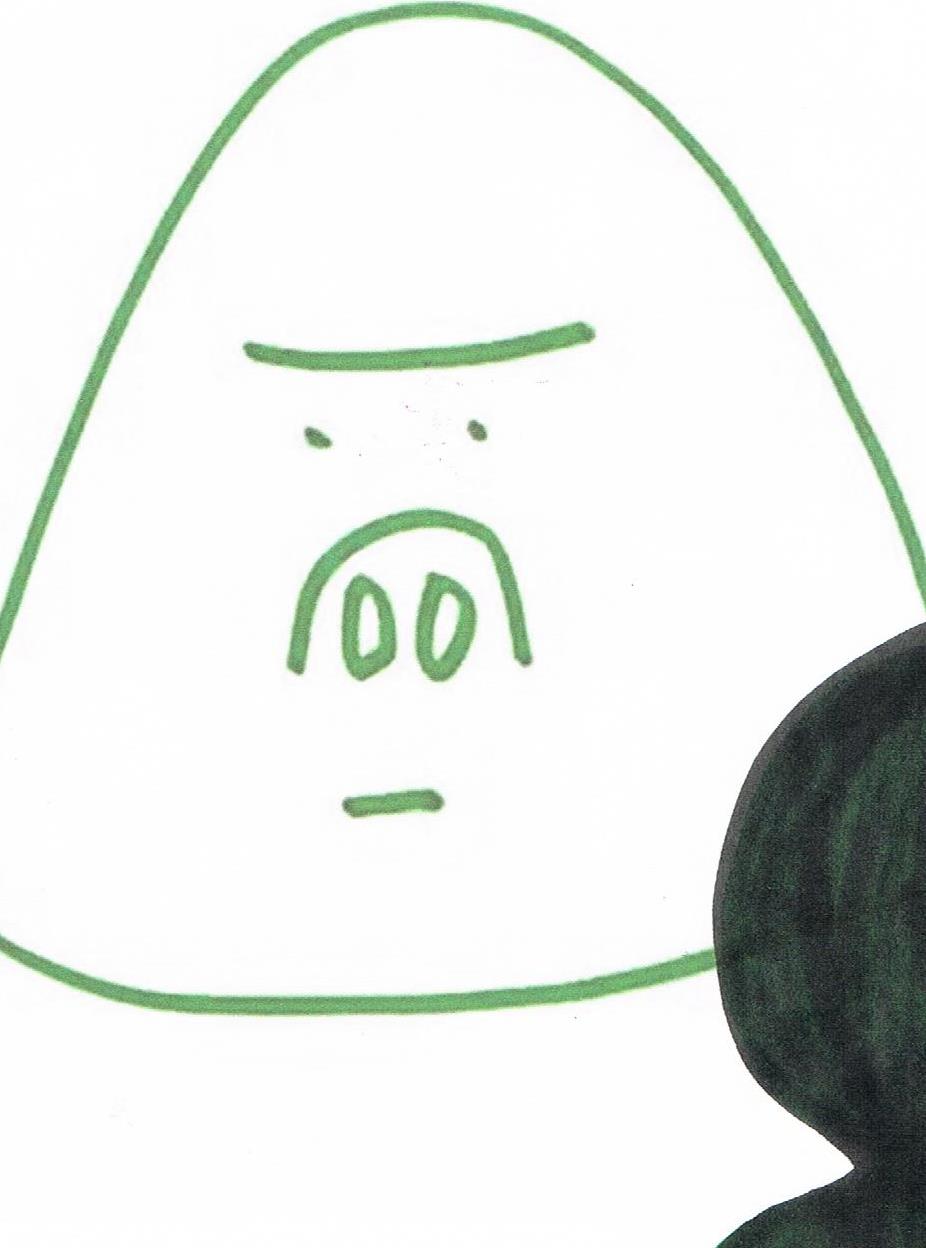
I never told you the rowboat story?
2
3
4
 No.
No.
2
3
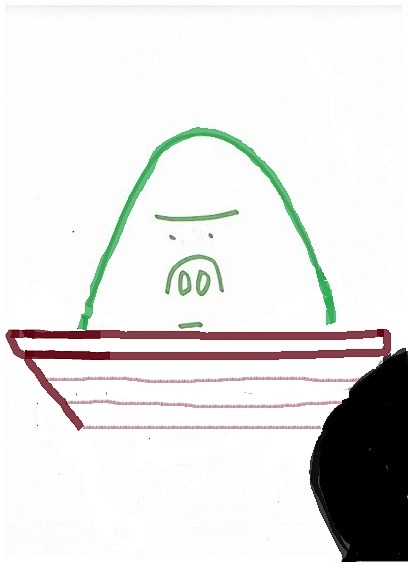
Guy paints his rowboat. It’s beautiful, and he’s really proud of it. So he takes it out on the lake.
2
3
4
 bert 7
2
3
And he’s rowing happily along through the fog when another rowboat suddenly slams into him.
2
3
4
 bert 8
2
3
So he stands up and screams “You moron! Are you blind? Look at what you did to my rowboat!” And so on.
2
3
4
 bert 9
2
3
4
Then he looks closer and sees that the other rowboat is empty.
2
3
4
 Which means what?
2
3
4
Life’s full of empty rowboats. We all get dented. Pain’s inevitable.
2
3
4
 bert 11
2
3
4
It only becomes suffering when we take it personally.
2
3
4
 I see.
2
3
4
Do you?
2
3
4
 I don’t know. Maybe not.
2
3
4
therapist 13
2
3
4
 But for some reason I feel better.
2
3
4
****************************
therapist 14
2
3
*************** * * *
Session 29: Yellow brick road
 “If I know I’m crazy, does that mean I’m not?”
1
2
3
4
Interesting question. Why do you ask?
1
2
3
4
 I’m not asking, I’m quoting. Just read that in a book.
1
2
3
4
Psychology book?
1
2
3
4
 Mystery novel. About a Thai cop trying to solve a Silence of the Lambs-type murder and practice Buddhism at the same time.*
1
2
And does your Buddhist cop answer the question?
1
2
3
4
 Not yet. Can you?
1
2
3
4
5
Yes. No.
1
2
3
4
 No, knowing I’m crazy doesn’t mean that I’m not?
1
2
3
4
Right.
1
2
3
4
 Why not?
1
2
3
4
Does finding a hole in your tooth make the cavity disappear?
2
3
4
 No.
No.
1
2
3
Same thing. We like to pretend we can think our way out of emotional problems. But recovery takes work.
1
2
3
4
 What kind of work?
1
2
3
4
5
Uncomfortable work, usually.
1
2
3
4
 But why?
1
2
3
Emotional problems tend to come from avoiding emotional discomfort. So discomfort is the price of recovery.
1
2
3
4
 Discomfort as in…
1
2
3
4
Accepting our limitations. Taking risks. Becoming honest. That sort of thing.
1
2
3
4
 Like practicing the alternatives to control.
1
2
3
4
Exactly. Those all involve tolerating some new discomfort.
1
2
3
4
 I’d rather skip the discomfort.
1
2
3
Most people feel that way. Look around you. Met many healthy people lately?
1
2
3
4
 Not many, no. But when does it end?
1
2
3
4
Recovery work?
1
2
3
4
 Yeah.
Yeah.
1
2
3
4
If you’re doing it right, never. You just keep growing until you die.
1
2
3
4
 Never? There’s no graduation, no Nirvana to attain, no Emerald City you reach?
1
2
3
Nope. Just the yellow brick road.
1
2
3
4
 Great. So what now?
1
2
3
4
You choose, basically. Keep trying to avoid life’s discomfort, like most people do, or…
1
2
3
4
 Learn to love the yellow brick road.
1
2
3
4
5
Right.
1
2
3
4
1
2
3
4
 Can I get back to you on this?
1
2
3
4
5
therapist (16)
1
2
* * * * * 3* * * * * ** * *
*The mystery Bert’s reading is The Godfather of Kathmandu by John Burdett (Alfred A. Knopf, 2010).
* * * *
Session 28: Ten big ones
 bert (1)
1
2
3
You look tired.
1
2
3
 I ‘m not sleeping.
1
2
3
Insomnia?
1
2
3
 Yeah.
Yeah.
1
2
3
How long?
1
2
3
 Three nights.
1
2
3
That’s awful. What’s causing it?
1
2
3
 I just can’t stop thinking at night.
1
2
Anything you want to talk about?
1
2
3
 Nothing in particular. Just monkey mind* crap. You know.
1
2
Yeah. Listening to monkey mind is like eating junk food: unhealthy and irresistable.
1
2
3
 Any suggestions?
1
2
3
Yes. Yawn.
1
2
3
 Come again?
1
2
3
Yawn ten times. It helps.
1
2
3
 I don’t get it.
1
2
3
There’s this neuroscientist who claims that yawning is one of the best things you can do for your brain. It relaxes your whole body, lowers your stress level, improves cognition and memory, even increases your empathy for other people.
1
2
3
 Get out.
1
2
3
Really. I’ll send you the article. But try it now. Go ahead, yawn.
1
2
3
 Here? Now?
1
2
3
Sure. Go on. Big yawn.
1
2
3
 bert (12)
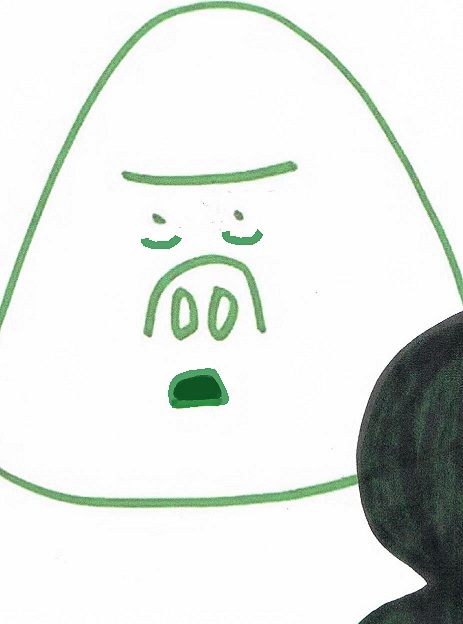
1
2
3
That’s not a big yawn. Try again.
1
2
3
 bert (13)
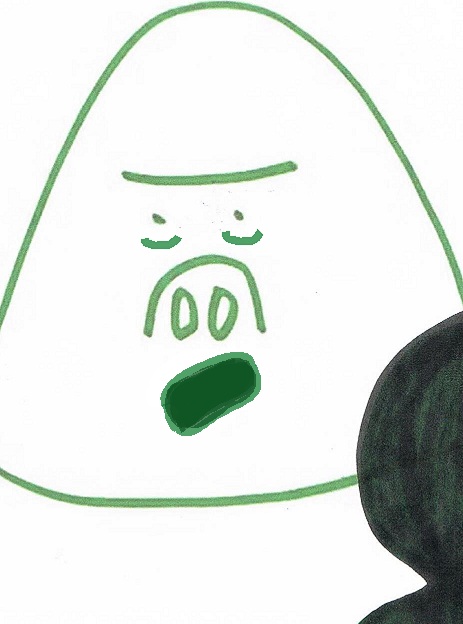
1
2
3
Better. Once more. Make like a lion.
1
2
3
 bert (14)
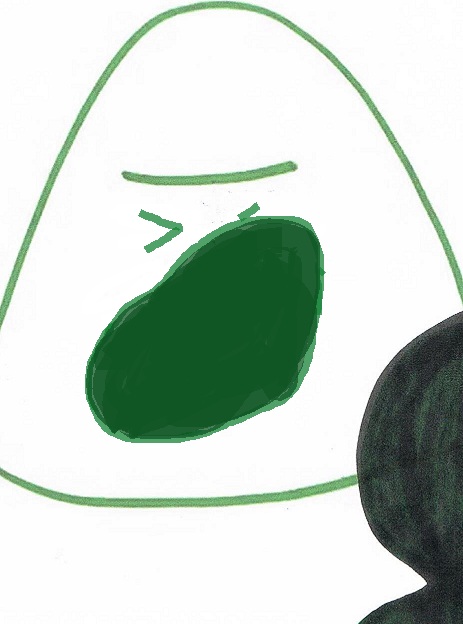
1
2
3
Beautiful. Now repeat. Ten big ones.
1
2
3
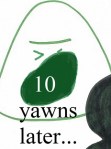 bert (15)

1
2
3
Good. How do you feel now?
1
2
3
 bert (16)
1
2
3
Bert? How do you feel?
1
2
3
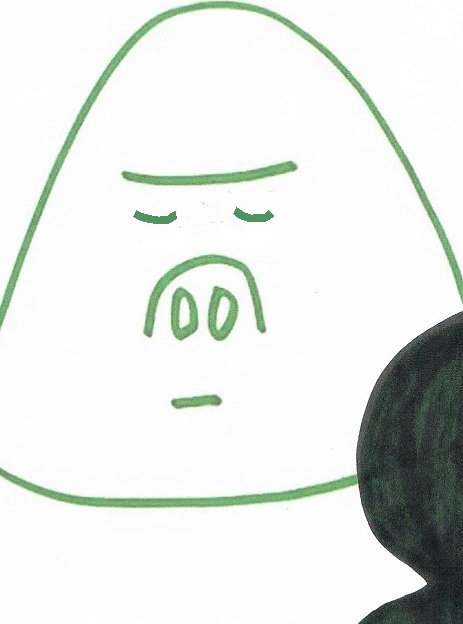
 Zz.
Zz.
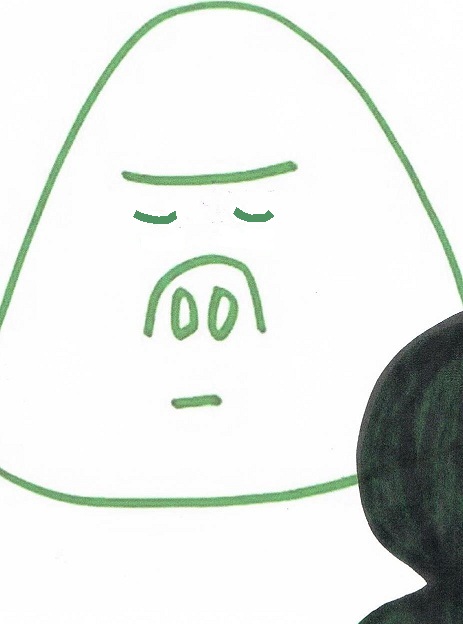
1zz
2
I really should raise my rates.
2
*Forget what monkey mind is? See “Bert is nuts”:
https://monkeytraps.wordpress.com/2011/04/10/bert-is-nuts/
* * * * * * * * * * * *
Bert on surrender
 (If you’re new to Monkeytraps, Steve is a therapist who specializes in control issues, and Bert is his control-addicted inner monkey.
For this post, Steve interviewed Bert.)
Steve: So I’ve been writing about peace of mind and how control addiction makes it impossible, and how practicing alternatives to control make it easier to find. And I wanted to ask you about surrender.
Bert: What about surrender?
Steve: How you practice it, mainly.
Bert: Oh. Sure this is a good idea?
Steve: Why not?
Bert: People will know how lousy I am at it.
Steve: That’s okay. They know it isn’t easy.
Bert: I never use that word, by the way.
Steve: No?
Bert: No, that’s one of your writer’s words.
Steve: You don’t like it.
Bert: Not really. Sounds too much like helplessness.
Steve: That’s not what it means. It….
Bert: I know, I know. Surrender means winning, not losing. Letting go of what you can’t control represents the victory of awareness over denial, growth over habit, and faith over fear. Right?
Steve: Something like that. What word do you prefer?
Bert: Depends. Sometimes I think of surrender as detaching.
Steve: Meaning?
Bert: Taking a step back emotionally. Like when that client cursed at us in session yesterday.
Steve: And I told you to not take it personally.
Bert: Right. That it was just transference. And then other times I think of surrender as accepting.
Steve: “It is what it is.”
Bert: Yes. Though I hate that expression.
Steve: Why?
Bert: It’s like Have a nice day. Everyone says it, then go right back to being raging control freaks.
Steve: Any other words for surrender?
Bert: Let’s see. Sometimes I do it by consciously reframing a situation instead of trying to control it. Remember how mad I used to get at little old lady drivers?
Steve: Anyone driving at the speed limit, you mean.
Bert: Right. Well, now when I find myself behind one I just tell myself This is God reminding you to slow the fuck down. And I slow down, and I’m okay with it.
Steve: Very spiritual of you.
Bert: I think so. I use slogans too.
Steve: Which slogans?
Bert: Well, there’s the one you wrote on a Post-it and taped to your PC monitor:
99% of what we worry about never happens.
That got us through some rough times.
Steve: It did.
Bert: And the one you kept in the little plastic frame in your office. The one that made clients think you’re a little nuts:
Everything’s perfect.
Steve: I can’t count the times I tried to explain that.
Bert: Anyone ever buy it?
Steve: No. Easier to sell Everything happens for a reason.
But back to you. It sounds like you do a lot of surrendering, in one way or another. Why do you say you’re lousy at it?
Bert: Because of all the times I can’t.
Steve: Explain.
Bert: You know how we live. Rushing from chore to chore, worry to worry. Working down the To Do list with no end in sight. Feeling like everything is urgent. Lying in bed at night and trying to decide if you got enough stuff done to feel okay about yourself.
Then there’s the problem of people. All the times I just can’t be myself.
Steve: Can’t tell the truth, you mean?
Bert: Yes, but more than that. All the times I can’t just relax and stop worrying about how someone’s going to react to me.
But it’s more than that, too.
It’s all the times I can’t just relax. Can’t take, even, a really deep breath.
You know?
Steve: I know. Can’t relax if you can’t surrender. It’s a stubborn addiction.
Bert: Sometimes I’m sorry you told me I’m addicted.
Steve: Do you mean that?
Bert: No. No, I guess not.
Steve: What’s good about knowing?
Bert: Well, it does clarify things. When I feel angry or frustrated or crazy it’s usually because I’m trying to control something I shouldn’t. Calms me down, just seeing that.
Steve: Another surrender?
Bert: I suppose it is. And then, remembering I’m addicted gives me more choices than I used to have.
Steve: More choices?
Bert: Sure. Before I knew, I never even thought of surrender as an option. Now I know, even when I can’t do it. It’s something to work towards. Something to practice and get better at. And that gives me hope.
Steve: Hope’s good.
Bert: It is. It even lets you breathe a little bit deeper.
* * *
What we mean when we talk about control, part 5: Peace

(If you’re new to Monkeytraps, Steve is a therapist who specializes in control issues, and Bert is his control-addicted inner monkey.
Steve speaking:)
So what do we mean when we talk about control?
Like when someone says something like I want to feel more in control — what are they asking for, really?
I think it’s
5. Peace
Peace of mind, that is.
“Peace of mind.” Consider that phrase, and what it suggests.
Calm. Safety. Blessed relaxation. The absence of pain, stress and fear. Connection to our selves, to others, to the world. Serenity.
And where does peace of mind come from?
Not fighting.
Peace of mind is rare because our minds are usually at war.
We fight reality itself, we fight ourselves, and we fight each other.
And we do it almost constantly.
“Each of us has our own silent War With Reality,” writes Stephen Cope.
This silent, unconscious war with How It Is unwittingly drives much of our behavior. We reach for the pleasant. We hate the unpleasant. We try to arrange the world so that we have only pleasant mind-states, and not unpleasant ones. We try to get rid of this pervasive sense of unsatisfactoriness in whatever way we can — by changing things ‘”out there.” By changing the world.
Think about it. Think of how often the reality you want matches the reality you have.
Think of the time you spend wishing that things (or you yourself, or your partner) were different.
Think of the energy you spend plotting or actually trying to make things the way you’d prefer.
Like all addictions, the search for control is a problem disguised as a solution. It seems to offer a way out of discomfort and discontent. In fact, it offers the opposite.
“The life of addiction is one of perpetual longing,” writes William Alexander in his Still Waters:
“I want, I want, I want” is the chant of the discontented self. This longing is reckless and insistent. It will never be fulfilled. There is not one thing, one feeling, or one idea that will satisfy it. “I want” is always followed by “more.” It gets worse.
Sure, you can fight reality. You just can’t ever win.
Is there an alternative to fighting?
Three, actually.
We can practice surrender, responsibility and intimacy instead.
I’ve written about these alternatives before. Surrender means not controlling what we can’t control anyway. Responsibility means listening to feelings — however inconvenient or unbecoming — and allowing them a voice when we make choices. And intimacy means taking the (often terrifying) risk of being ourselves with another person and allowing that person to do the same.
As I said, I’ve written about these before, and expect to continue for a while. The rest of my life, probably.
Partly because I’m convinced they’re the only chance we have of achieving peace.
And partly because Bert still has so damned much to learn about them.
Next: Bert’s notes on the alternatives.
* * *
Want more?

Supposing you have been very much in love with a man or a woman. And you want them to love you.
And if you say “You must love me,” love dries up.
But on the other hand if you say, “Look, please, have it your way…. You don’t have to meet me tomorrow. Please, you choose….”
They always come back if you do it that way. (Laughs.)
Let it go, and it returns to you. But dominate it and say, “You must be mine,” and you’ll lose it.
…And this is, finally, the only sane attitude.
~ From Let it go by Alan Watts.

What we mean when we talk about control, part 4: The illusion of control
If you’re new to Monkeytraps, Steve is a therapist who specializes in control issues, and Bert is his control-addicted inner monkey.
Steve and Bert wrote this one together:)
Steve: Our last post (How to spot monkeytraps) explained where we got this blog’s title:
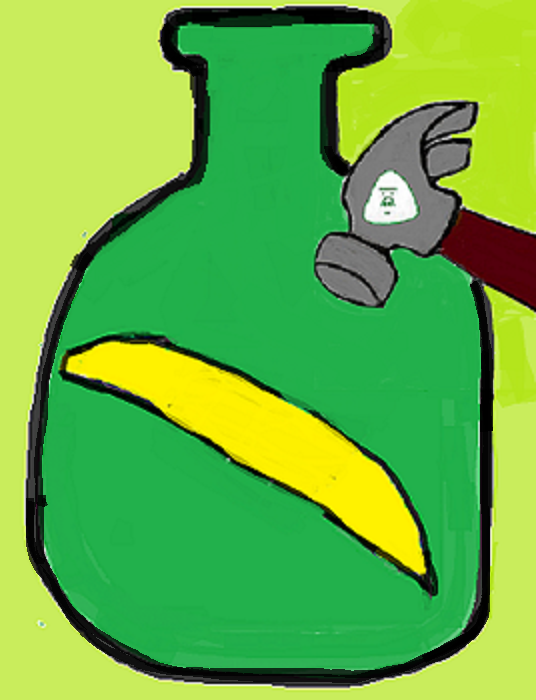
In the East they trap monkeys by placing fruit in a weighted jar or bottle with a narrow neck. The monkey smells the fruit, reaches in to grab it, and traps himself by refusing to let go.
A psychological monkeytrap is any situation that triggers you into compulsive controlling — i.e., into holding on when you really should be letting go.
One reader replied,
Why didn’t the monkeys just break the jar or bottle? I get that it was weighted down, but monkeys use tools. Were there no rocks laying around?
Bert: Shit. Why didn’t I think of that?
Steve: Just the comment I’d expect from a control addict.
4. The illusion of control
Bert: Why? What’s wrong with what I said?
Steve: You misread the problem.
Bert: How?
Steve: You think the jar is what traps the monkey.
Bert: Of course.
Steve: But he could escape that just by opening his paw.
Bert: Oh. Yeah.
Steve: But he won’t. He wants the banana. More than anything.
Bert: And that’s what traps him.
Steve: Exactly. Just as control addicts get trapped by their need for control.
Bert: Why’d I miss that?
Steve: Because you’re addicted. Control addicts usually respond to loss of control by thinking, But I want control. I need control. There must be some way to get it. Their craving distorts their thinking.
Bert: So instead of letting go we try breaking the jar.
Steve: Right. Breaking the jar is a metaphor for imagining life as something we can control if we try hard enough. And that’s a dangerous illusion.
Bert: Tell me again. It’s an illusion because…
Steve: Because there are some bananas we’re not meant to have.
Bert: Such as?
Steve: Well, immortality, for example. Much as we want to live forever, we can’t.
Control of emotions is another. As determined as we are to feel only happy, safe and contented, life forces us to feel sad, scared and needy.
And then, of course, relationships. Relationships never go as planned.
Bert: I noticed. Why is that?
Steve: Because relationships involve people. And people tend to be uncontrollable.
Bert: So there’s no breaking the jar.
Steve: Right. Life is what it is. Messy, and unpredictable, and painful, and inconvenient, and unless we want to suffer endlessly we have to find some way of making peace with all that.
Bert: To accept life on life’s terms.
Steve: And let go of the banana.
Bert: Okay. Fine. I get it. Actual control’s an illusion.
Now what?
Steve: What do you mean?
Bert: At the start of this series you told that story about seniors and house plants, and said having a sense of control is essential to both mental and physical health. Right?
Steve: Right.
Bert: Well, if actual control is an illusion, how do I get a sense of control?
Steve: Feel okay inside, you mean.
Bert: Exactly.
Steve: There are three ways. I’ll explain them next time.
Bert: Explain them now.
Steve: I can’t. It would take too long.
Bert: But I want it now. I need it now. There must be some way to get it now.
Steve: Very funny.
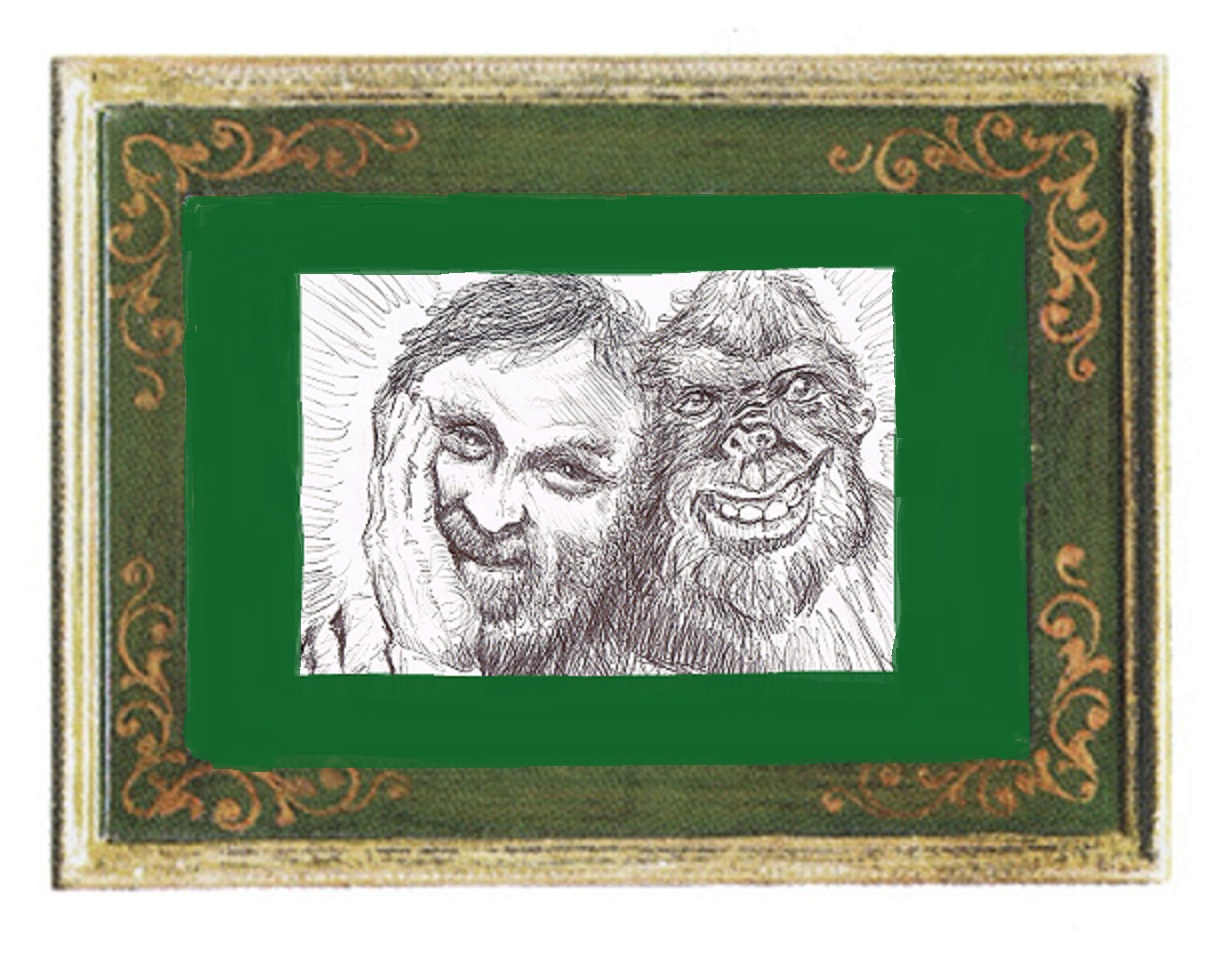 Art by Brian Bartley, of bartsartny.com, the only artist Bert ever posed for.
.
How to spot monkeytraps
A note from Bert:
Steve has a cold, and is being a big old baby about it, so instead of writing a new post he told me to republish an old one.
(Personally, I consider it a sign of weakness to give in to cold symptoms. Buck up, man. What will people think?)
Part 4 of “What we mean when we talk about control” will appear next Sunday.
Stay away from germmy people,
love,
Bert
How to spot monkeytraps
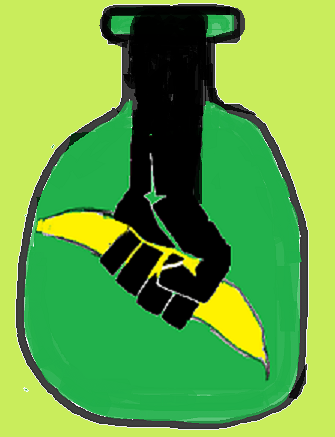 (If you’re new to Monkeytraps, Steve is a therapist who specializes in control issues, and Bert is his control-addicted inner monkey.
Steve and Bert wrote this together:)
Steve: Some weeks ago we asked readers to tell us what they most want to learn about control. One of you replied with this:
I like your blog, but it’s a little scary, since before this I had no idea how controlling I am and how many problems it causes me.
What I want now is to learn to be more aware of my controlling, to keep the idea of control at the surface of my mind and to understand how wanting to control things drives how I react and what I do and say.
Got any tips on that?
Bert: Good question.
Steve: Yes. She wants to learn how to spot monkeytraps.
Bert: Exactly.
Maybe you should remind everyone what a monkeytrap is.
Steve: In the East they trap monkeys by placing fruit in a weighted jar or bottle with a narrow neck. The monkey smells the fruit, reaches in to grab it, and traps himself by refusing to let go.
A psychological monkeytrap is any situation that triggers you into compulsive controlling — i.e., into holding on when you really should be letting go.
Bert: And yes, we have tips on how to spot them.
Steve: Here’s tip #1:
Notice where you’re uncomfortable.
We’re controlling whenever we need or want to change some piece of reality (instead of accepting it as it is). And we’re most likely to want to change realities that make us uncomfortable. So it makes sense that our discomfort zones are where we’re most likely to get monkeytrapped.
Bert: I, for example, can’t stand rejection. So it’s with people I think might reject me that I tend to be most controlling. I do it in all sorts of ways: hide feelings I think will upset them, pretend to agree when I really don’t, laugh at stupid jokes, avoid confronting behavior I dislike, try to read their minds, and so on.
Steve: Tip #2:
Notice where you’re stuck.
Stuck as in not learning, healing or growing — struggling with the same damn problem over and over again.
Bert: Same example. Working hard at controlling people’s reactions to me is a monkeytrap because it (a) stops me from being myself, which (b) prevents me from ever getting accepted as myself, which (c) keeps me chronically scared of rejection. In short, a merry-go-round.
Steve: Right. You know you’re monkeytrapped whenever you find yourself doing, over and over and over again, what doesn’t work.
And why do you? That brings us to Tip #3:
Notice where you’re scared.
Unhealthy controlling is driven by anxiety. We stay monkeytrapped because we’re scared to do anything else. Often even the thought of giving up control in such situations is enough to scare us silly.
Bert: Like me telling my mother-in-law her breath stinks.
Steve: Uh, yeah. Good example.
So if you want to spot where you’re compulsively controlling, look for the three clues: discomfort, stuckness, and fear.
Want more?
Check out Marc MacYoung’s article “Monkey trap: Staying human (and rational) in conflict,” which is about conflict resolution.
What we mean when we talk about control, part 3: Particularization
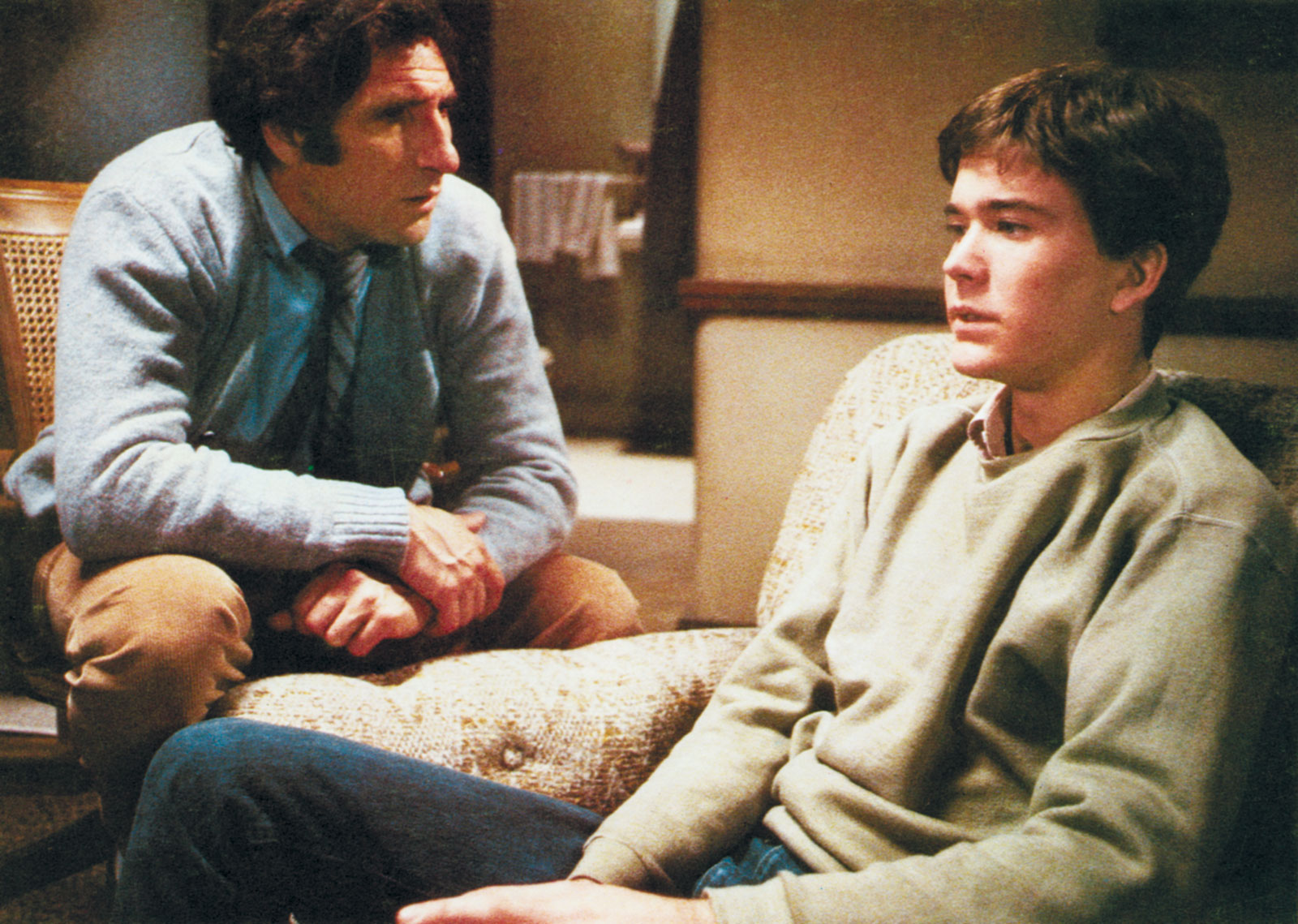
(If you’re new to Monkeytraps, Steve is a therapist who specializes in control issues, and Bert is his control-addicted inner monkey.
No, that’s not them at left.
Steve speaking:)
“So, what d’you want to work on?” he asks.
“Pardon?”
“Well, you’re here. It’s your money, so to speak. What d’you want to change?”
He thinks, then, of his father; of their struggle to keep between them a screen of calm and order.
“I’d like to be more in control, I guess.”
~ From Ordinary People by Judith Guest.
Gentle reader, a question for you:
What does it mean to be in control?
(Author pauses while reader considers.)
Well, when we talk about being in control we usually mean one of two things: (a) being able to rearrange the world around us, or (b) being able to rearrange how we’re feeling inside.
But as in the dialogue above, it’s not always clear which is which.
Does (b) depend on (a)? Must I have actual control, out there in the world, in order to feel emotionally in control?
Often we assume so. If I control the world, we assume, I can control how I feel.
We may even doubt there’s any other way to reach (b). How can I feel okay when what’s happening around me is not-okay? we ask ourselves. Isn’t that like swimming in water without getting wet?
A reasonable conclusion. Logical.
And wrong.
Worse, a dangerous conclusion to reach, because of how it leads us to cope with a complex world filled with not-okayness.
This form of confusion even has its own name (which no one ever uses):
3. Particularization
Particularization means mistaking some specific way of satisfying a need with the need itself.
It means confusing ends with means — mistaking what we want with one particular way of getting it.
“The genesis of particularization is habit, or conditioned response,” write two sociologists:
A person who has satisfied a need in one particular way since childhood is likely to have only a vague awareness of the need; his vivid consciousness will be of the familiar means of satisfaction. When feeling needful, he thinks instantly of the usual mode of fulfillment, bypassing recognition of the need itself….
But if for any reason the habitual behaviors are not very effective — as in many case they are not — particularization renders it difficult for the individual to recognize this fact…. Habit prevails, and he tends simply to try again in the familiar way.
The result is analogous to bailing a boat with a sieve.
~ From The adjusted American: Normal neuroses in the individual and society by Snell & Gail Putney.
I see this all the time in people who grow up in alcoholic, abusive, or otherwise dysfunctional families.
Early on they learn to see life as unpredictable and dangerous (Will Dad drink or be sober? Will Mom hug me or hit me? Will everyone get along, or fight until bedtime?) and blame their inner anxiety on events in their immediate environment.
Inevitably, they try to reduce their anxiety by controlling that environment (hide Dad’s beer, clean Mom’s kitchen, keep everyone amused or distracted).
And there it is: particularization. As kids they equate something they need (feeling safe) with one particular way of getting it (controlling people, places and/or things).
They grow up convinced If I can’t have control, I can’t ever feel safe. Which leaves them no choice but to keep trying and trying to rearrange the world around them.
And that, gentle reader, is how you create a control addict.
This happens to all of us, regardless of what our family was like. Why? Because we all start out as children. And children, having no power, are forced to rely on controlling the grownups around them. (See Control is for kids for a fuller discussion.)
“When the only tool you have is a hammer,” Abraham Maslow once noted, “everything looks like a nail.”
So we’re all adult children. We’re all control addicts. Because we all enter adulthood with the same hammer in hand.
The question for those of us tired of secretly feeling and functioning like kids is:
Isn’t there another way to rearrange how we’re feeling inside?
(To be continued.)
* * *
Want more?
 1. We are people who hit age 28 or 39 or 47 and suddenly find that something is wrong that we can no longer fix by ourselves.
2. We are people who gaze at our peers on the street or at a party and say to ourselves, “I wish I could be like her or him.”
3. Or we say, “If only he know what was really going on inside of me, he’d be appalled.”
4. We are people who love our spouses and care deeply for our children, but find ourselves growing distant, detached and fearful in these relationships.
5. Or we feel that everything in our lives is perfect until our sons or daughters become chemically dependent, bulimic, run away from home or attempt suicide.
~ From Adult children: The secrets of of dysfunctional families by John and Linda Friel.
Click here to read the rest of the laundry list begun above. (Scroll down to chapter 3, titled “Who Are We? What Are Our Symptoms?”)
A note from Bert

Earlier today you may have received an announcement of a new post titled “What we mean when we talk about control, part 3.”
That announcement went out in error.
It happened when someone (I won’t say who) hit the Publish button prematurely.
Sorry.
Sometimes WordPress, like so much else, is beyond our control.
Stay tuned for the real Part 3, coming this Sunday (1/29).
love,
Anonymous
What we mean when we talk about control, part 2: Sense of control
 (If you’re new to Monkeytraps, Steve is a therapist who specializes in control issues, and Bert is his control-addicted inner monkey.
Steve speaking:)
Last time I set out to explain the difference between actual control and a sense of control.
Actual control, I said, is an external phenomenon, something we achieve out in the world. It happens when we find ourselves able to intentionally influence other people, places and things.
Sense of control is an internal phenomenon, something that happens in our heads when we feel in control of our emotional state.
Today, more on the latter.
2. Sense of control
We each want to feel certain feelings and avoid others.
For example, we each want to feel the items on the left below, and avoid those on the right:
happy ….. sad,
comfortable ….. uncomfortable,
safe ….. scared,
strong ….. weak,
confident ….. inadequate,
certain ….. confused,
contented ….. frustrated,
accepted ….. rejected,
protected ….. abandoned,
approved ….. criticized,
loved ….. hated,
peace of mind ….. worried,
and so on.
Sense of control refers to those moments when we feel only the items in column A — only the feelings we want.
It’s in those moments, when our internal universe seems to be under our command, that we experience what I call a sense of control.
And we hunger for those moments.
We hunger for happiness and safety and confidence and love. Those experiences are what we live for.
In fact, our whole lives are arranged in an attempt to repeat these experiences as often as possible.
Think about it. Doesn’t every choice you make boil down to your answer to the question, Which option here is more likely to make me feel happy, not sad? Comfortable, not uncomfortable?
Our preference for comfort over discomfort is rooted in survival instinct, and so hardwired into us. That makes it the inevitable basis for all our conscious choices, and all our unconscious choices too.
And often we conclude that what will enable us to choose comfort over discomfort — i.e., a sense of control — is to get actual control, control of the (external) world around us.
And that’s often a valid conclusion.
Of course I’ll feel better if
~ My car stays on the road (instead of hitting that tree),
~ The boss gives me a raise (instead of firing me),
~ My kid aces Math (instead of failing),
~ This attractive woman agrees to have dinner with me (instead of slapping my face).
All these experiences, and a million others like them, lead to a natural conclusion: the way to get a sense of control is to get actual control.
But here’s where it gets tricky.
Because one is a goal. And the other is just a means to that goal.
They’re not the same.
And it can be dangerous and destructive to conclude that they are.
(To be continued.)
* * *
Want more?
 We are an anxious nation…in fact, we are an anxious world. There is no question that uncertainty seems to have increased dramatically in the last few years. We worry about terrorism. We worry about war. We worry about losing our jobs. We worry about the dangers confronting our children. And on and on and on.

This worry is understandable, given the state of the world at the present time, but there is no question in my mind that, with the right tools…
All of us can rise above any situation that life hands us.
~ From Nine ways to find peace of mind by Susan Jeffers. Read the rest here.
Steve & Bert

COMING SOON: An expanded 2nd edition

CLICK HERE TO ORDER MONKEYTRAPS (THE BOOK)

Follow the conversation:
-
-

-
-
BERT’S IN THERAPY. To listen in, click on his nose.


