Category Archives: control

Gas in California

If you’re new to Monkeytraps, Steve is a therapist who specializes in control issues, and Bert is his control-addicted inner monkey. 

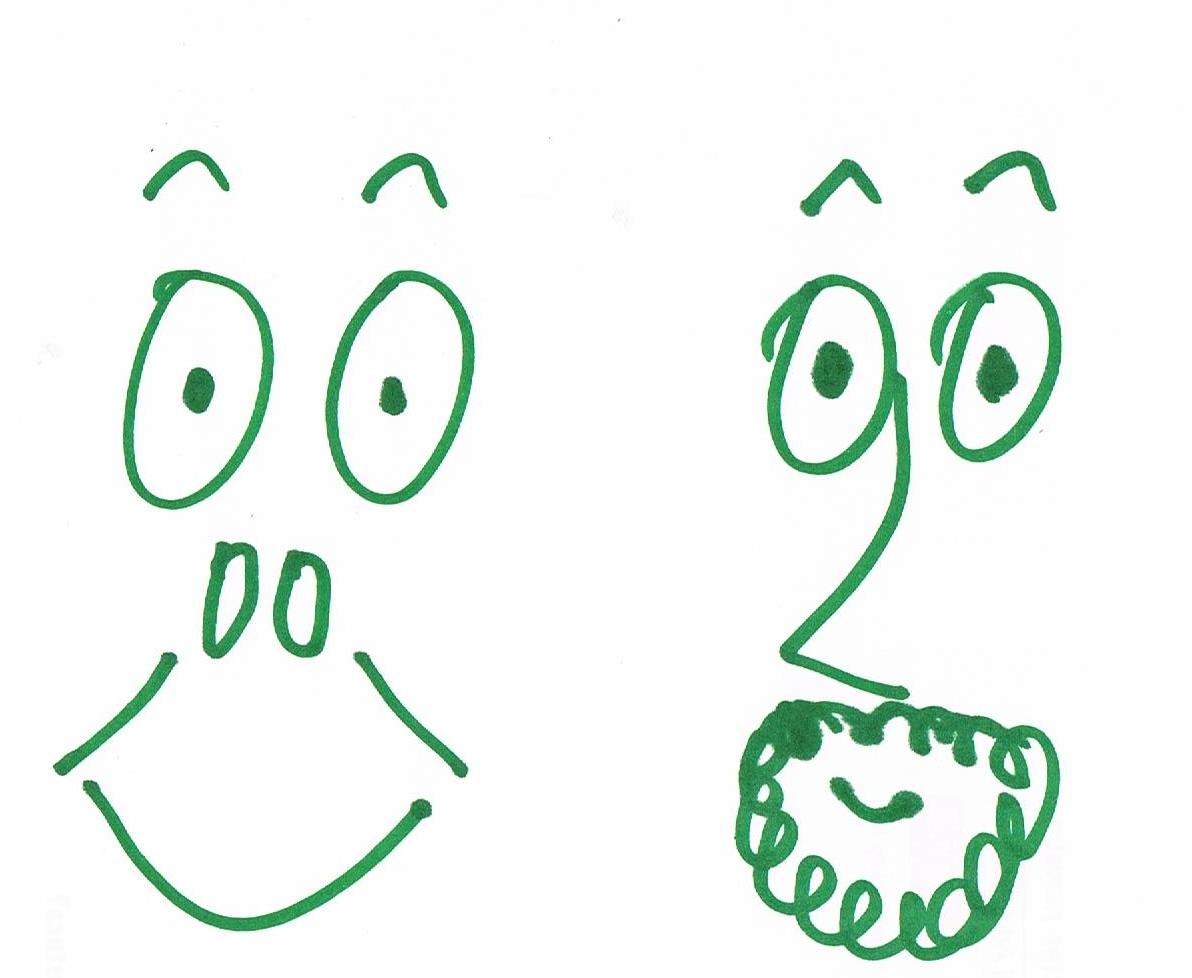
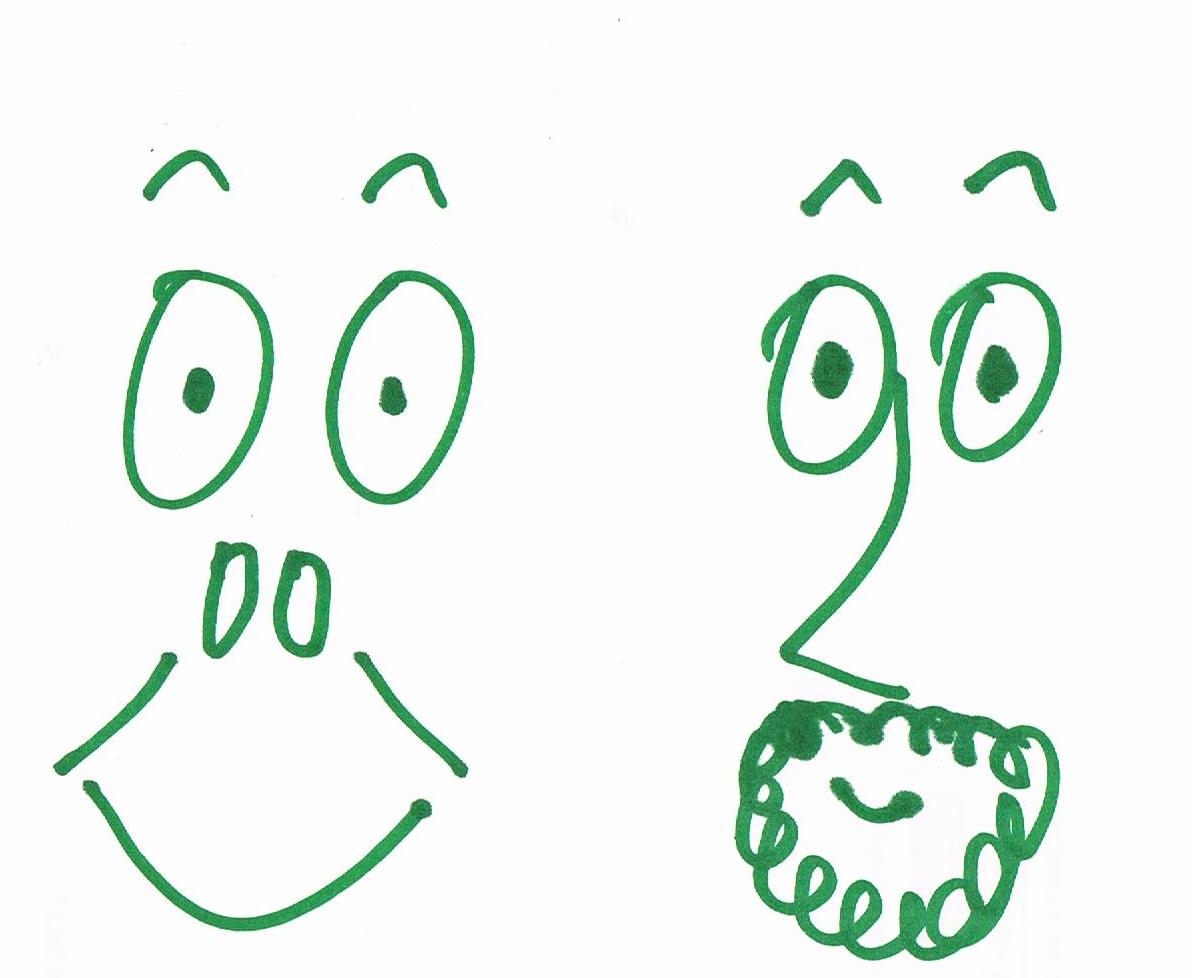
That’s Bert at left, at his meeting.

Bert speaking:)

Good evening, and welcome to Hypocrites Anonymous.

My name is Bert, and I’m a hypocrite.

(Audience: Welcome, Bert.)

I’m also a therapist.

I’ve been a hypocrite for as long as I can remember.

Well, at least as long as I’ve been a therapist.

(Audience giggles.)

I don’t mean to blame the job for my hypocrisy.  But hypocrisy does sort of come with it.

Because therapists are like priests.

Priests have to pretend to be Holier Than Thou. Who’d listen to them otherwise?

Therapists have to pretend to be Healthier than Thou.

Who’d listen to us otherwise?

So every day I sit with people who come for help with their problems, and part of the helping is pretending to be healthier than them.

I offer calm when they’re anxious, clarity when they’re clueless, courage when they’re scared.

Strength when they’re weak, hope when they’re hopeless, honesty when they lie.

Directness when they’re avoiding, forgiveness when they’re guilty, and kindness when they beat themselves up.

In fact, you could say it’s my job to offer the opposite of whatever people bring me.

Friends, this is not as easy as it sounds.

(Audience laughs.)

But it’s what we all do, right?

We all pretend to be Something or Somebody Else.

Is there anyone here who doesn’t pretend that?

(All hands in the room go up.)

What?

Oh. I get it. This is a Hypocrites Anonymous meeting.

(Everyone laughs and applauds.)

Anyway. My most recent relapse into hypocrisy is my failure at self-care.

Self-care is something I preach to all my clients. Most of them have trouble with self-care. Most of them don’t love themselves enough to stop working and rest and relax. Most of them put the needs of their job or their family or their house or their spouse ahead of their own.

And I have this thing I say to the most stubborn clients.

“You remind me,” I tell them, “of a guy I know who wants to drive from New York to California. Except he says, ‘Gas is too expensive, so I won’t buy gas here. I’ll wait to buy gas when I get out to the coast.’

“You’re like that guy,” I say. “And you better stop and gas up now, or you won’t make California. You’ll be lucky to make New Jersey.”

(Murmurs of agreement.)

Well, tonight I have to confess: I’m out of gas. I’m stuck in New Jersey.

I’m tired, and discouraged, and I need a real rest. And I find I can’t stop working.

Despite everything I know, or thought I knew, I have been sucked into the great mass of Workaholics in this country.

In fact, that’s the meeting I’m headed to after this one.

(Appreciative laughter. One voice: “Can I catch a ride?”)

This is very embarrassing to me. It galls me to admit I’m not Healthier Than Thou.

But: I’m not.

I’m just like Thou.

I’m just like my clients.

I’m just like everyone:

My life is unmanageable.

Thanks for listening.

(Bert sits. Thunderous applause.)

 * * *

Want more? 
To my knowledge, there is no real program called Hypocrites Anonymous.

There is, however, a real Workaholics Anonymous.

Visit their website and you’ll find an interesting self-quiz titled“Twenty Questions: How Do I Know If I’m a Workaholic?”   It begins like this:

  • Do you get more excited about your work than about family or anything else?

  • Are there times when you can charge through your work and other times when you can’t?

  • Do you take work with you to bed? On weekends? On vacation?

  • Is work the activity you like to do best and talk about most?

  • Do you work more than 40 hours a week?

I’m guessing your answers to these first five questions will tell you whether you need to go on and complete the quiz.


Fuzzy lollipop

(If you’re new to Monkeytraps, Steve is a therapist who specializes in control issues, and Bert is his control-addicted inner monkey.

Bert’s taking a break from writing this week.  But he did provide the illustrations for this post.

Steve speaking:)

I used my lollipop analogy today.  First time I’ve used it in years.  It’s one of my favorites.

Yvonne is a woman who dislikes herself.  She doesn’t know this, exactly.  She just knows she’s lonely, and discouraged, and pretty much of a doormat in all her relationships.  The sort of person who says Yes when she wants to say No and always has, without knowing why.

She’d just finished telling me about her eight-year marriage to a man who drank, cheated, abused her emotionally, and then left her. 

“Ever licked a lollipop,” I asked, “and then stuck it in your pocket?”

“Sure,” she said uncertainly.  I didn’t believe her.  I was pretty sure she was humoring me, just to move things along.

“What happened to it?” I asked.

She shrugged.  “It got…fuzzy.”

“Right,” I said.  “It got fuzzy.  And the longer it stayed in your pocket the fuzzier it got.  It kept collecting fuzz until after a while it didn’t even look like a lollipop anymore.  More like a fuzzball on a stick.  Right?”

She nodded.

“You’re like that lollipop,” I told her.

“How so?”

“We all are.  When we’re kids we have these experiences which seem to defines us.    Yours was having a mother who couldn’t love you the way you needed to be loved.’

She nodded again.  We’d been over this.

“It left you feeling unlovable,” I said.  “But the problem didn’t end there.  Because you went on and collected more experiences like that one.”

“I know I did,” she said.  “But why?”

“Because confusion is painful for us,” I said.  “We can’t stand to not understand.  It makes us feel out of control.”

She nodded again.  We’d talked about her need for control, too.

“So we look for answers that seem to explain stuff in our life.  And we hang onto those answers even when they’re wrong, and even when they hurt.  Because having no answer is even more painful.  Follow?”

“I think so.”

“You found your answer early on.  You decided that mom didn’t love you because you were unlovable.  It was a lousy answer, because, A, it wasn’t true – she couldn’t love you because she was an alcoholic  – and, B,  it hurt.  But it was better than having no answer at all.”

She was quiet, listening.

“So you carried that answer out into the world and into every relationship.  And whenever there was a disappointment or conflict or someone treated you badly, you turned back to that old answer to explain what was happening.  ‘See?” you told yourself.  ‘Mom was right.  I am unlovable.’’ 

“And that’s why you’re like a fuzzy lollipop.  Because by now you’ve collected so many of those experiences you’re no longer recognizable as yourself.”  

She looked at her hands in her lap.  Then she looked up.

“Well, shit,” she said.

An encouraging response.

“What do I do about it?” she asked.

I made two suggestions. 

The first was to remember our conversation the next time she got into relationship trouble.  “Question how you usually explain problems,” I suggested.  “If you get confused, talk to me about it.  But stop automatically collecting fuzz.”

“Okay,” Yvonne nodded.

The second suggestion was to seek out corrective emotional experiences.  “This one’s harder,” I warned her.  “You have to risk being yourself with people.  Especially new people, like at Al-Anon or in a therapy group.  That’s where you have the best chance of redefining yourself. 

“Practice coming out of hiding.  Tell a bit more of the truth than you’re used to telling.  Show a bit more of your feelings.  Just a bit.  See what happens.

“Of course, this will mean giving up some control.  So it will probably feel scary at first.  But I think you’ll find it’s less risky than it feels.”

She shook her head. 

“Living this way?  That’s what’s risky.”        


Questions for you, dear reader:

(1) Are you a fuzzy lollipop? 

(Hint: Most everyone is.)

(2) What early experience seemed to define you?

(Hint: Probably a painful one.)

(3) Are you aware of how you use that old experience to explain your current problems?

(Hint: How you do it may not be entirely conscious.  Dig a little.)

(4) Are you ready to stop?

(Say: Yes.)

Lollipops of the world, unite.

You have nothing to lose but your fuzz.

* * *


Is control your shield?

If you’re new to Monkeytraps, Steve is a therapist who specializes in control issues, and Bert is his control-addicted inner monkey.

This is a reworking of a post published last year.

Steve speaking:)

I lost three clients this summer.

Vince left treatment after a couples session in which I encouraged his wife to attend a family function he didn’t want her to attend.

Wendy left after a family session in which I encouraged her kids to tell her the truth about how they felt about her new boyfriend.

Xavier left because I told him he was emotionally abusing his wife.

All three illustrate the defensive function of control.

In his book Kinds of Power James Hillman explains the Latin origin of control, and implies that originally it referred to fighting gravity:

Control is agency, yes, but of a restrictive kind.  The word comes from contra rotullus, against the roll. Since the free flow of inertia follows the path of least resistance, the easy path downhill is controlled by restraints.

When I read that — against the roll — I found myself imagining that the first “control” must have been some sort of wheel block, some lump of wood or stone used to stop chariots from rolling downhill or something.

I really liked this idea.

I liked seeing control as rooted in the idea of restraining or preventing something. It confirmed my sense of how controlling usually functions in me and the people I know: as a shield against unwanted consequences.

Certainly this is how my three former clients used control.

Vince used it to avoid sharing his wife with her family.

Wendy used it to prevent her kids from expressing preferences that conflicted with her own.

And Xavier used it to defend against the truth of what sort of husband he is.

The most controlling people I know are obsessed with avoiding, preventing and defending.

Why?  Because they expect bad things to happen. (Usually because bad things have already happened to them. Abuse and trauma victims, for example, are famously controlling.)  So they fear the unpredictable, the unexpected, the unplanned. They rely on control to fend off danger and discomfort.

They live, whether or not they realize it, as frightened people.

Control, for all its self-assured position of command, relies on a defensive vision, and [its] traits — enforced loyalty, exactitude, suspicion of the hidden, watchfulness — are paranoid traits.

Paranoia, of course, is an extreme form of craziness. Paranoids imagine that the world itself is out to get them. The paranoids I’ve treated were scared most of the time, unable to trust anyone, and led lives of confusion, uncertainty and occasionally panic.

But then, so do control addicts.

They, too, tend to see the world as dangerous, people as unreliable, relationships as competitive, emotions as scary, honesty as risky, and control as their shield against all of the above.

They hate change, especially change they haven’t asked for.

In therapy they’re almost always expressing resistance to something — some unfolding of events, some anticipated consequence, some expression of the innate tendencies of people around them.

Finally, they’re often anxious or angry without realizing it.

Why?

Because that’s how you feel when you’re at war.

Yoga teacher Stephen Cope writes,

Each of us has our own silent War With Reality.  Yogis came to call this duhkha.  Duhkha means, literally, “suffering,” “pain,” or “distress.”  This silent, unconscious war with How It Is unwittingly drives much of our behavior:  We reach for the pleasant.  We hate the unpleasant.  We try to arrange the world so that we have only pleasant mind-states, and not unpleasant ones.  We try to get rid of this pervasive state of unsatisfactoriness in whatever way we can — by changing things “out there.”  By changing the world. 

Does this describe you?

Is control your shield?

How bad is your duhkha?

And what parts of How It Is are you fending off?

* * *

 Books cited:

Kinds of power: A guide to its intelligent uses by James Hillman.

The wisdom of yoga: A seeker’s guide to extraordinary living by Stephen Cope


Want more?

It’s like being barefooted, and walking across blazing hot sand, or cut glass, or in a field with thorns…  And you say, “Do I have a great idea.  I am just going to cover everywhere I go — I’m going to cover it in leather.  And it won’t hurt my feet anymore.”

Click here for the rest of “This lousy world” by Pema Chodron.


The four stages of learning anything

(If you’re new to Monkeytraps, Steve is a therapist who specializes in control issues, and Bert is his control-addicted inner monkey.

That’s Bert at left, demonstrating the four stages.

Steve speaking:)

New client today. Forty years old, married, named Tim.

I ask why he’s come.

“I’m about to get divorced,” he says, “and I don’t know why.”

Tim’s wife Tina has seen a lawyer and asked him to move out.

“Why does Tina want a divorce?” I ask.

“I don’t know,” he says again. “But we fight all the time.”

“What do you fight about?” I ask.

Tim offers a list:

~ Tina likes a warm bedroom at night. Tim prefers a cool one. So the couple sleeps with the AC on in summer and windows wide open in winter.

~ Tina is a gentle parent who doesn’t believe in yelling or spanking.  Tim calls himself a “firm disciplinarian” who yells often and spanks frequently.

~ Tina is a vegetarian. Tim loves meat, and insists it be served at every meal.  On pasta nights, he pouts.

~ Tina is close to her parents, whom Tim dislikes. So he refuses to let them visit when he is at home.  When on holidays and birthdays he is forced to entertain them, he pouts. 

~ Tina is a Democrat.  Tim is a Republican.  So each November Tim tries to browbeat Tina into voting for his candidates.  If she doesn’t, he pouts.

The list goes on, but you get the idea.

“Tim,” I ask , “has anyone ever suggested that you may have a problem with control?”

“Control?” He looks at me like I’ve just spoken Martian.

This only confirms what his recitation has already suggested:

Tim is a Stage One guy.

*

We go through four stages in learning anything:

(1) Stage One is unconscious incompetence. That’s where we don’t know that we don’t know. Imagine a four-year-old sitting behind the steering wheel of Daddy’s car. He’s watched Daddy drive, so now he yanks the wheel left and right, peers over the dashboard, waves his hand out the window to signal turns. He thinks he’s driving. He doesn’t know that he doesn’t know.

(2) Stage Two is conscious incompetence. That’s where we know that we don’t know. Imagine this same kid as a teenager. It’s his first day in the Driver Ed car. The instructor tells him to parallel park. A chill runs through his entire body. He knows that he doesn’t know.

(3) Stage Three is conscious competence. That’s where we know that we know. Flash forward to this same kid six months later. He’s just gotten his driver’s license. He gets behind the wheel, buckles up carefully, and drives down the street with a smile on his face. He knows that he knows.

(4) Stage Four is unconscious competence. That’s where we don’t know that we know. Flash forward, one last time, to this same kid at forty. He’s been driving for so long that now it barely engages his attention. He tools along the highway talking on his cell phone, fiddling with his radio, and worrying about the fight he just had with his wife. When he has to parallel park, he does it without thinking. He’s reached the stage where he doesn’t know that he knows.

*

What has all this to do with control?

This:

When it comes to control, we’re all addicted.

And we all start off just like Tim.

We don’t know we’re addicted. 

We don’t know that we don’t know how not to control.

We control automatically, unconsciously and compulsively. 

And when our controlling causes problems, we don’t see it.  We find other explanations. 

So the first step we face, if we want to recover from this universal addiction, is the same one Tim faces if he wants to understand why he’s about to get divorced:

We must move from Stage One to Stage Two.

We must become aware that, most of the time, we really don’t know how not to be controlling.


Relapse, and the three steps out

(If you’re new to Monkeytraps, Steve is a therapist who specializes in control issues, and Bert is his control-addicted inner monkey.

That’s Bert at left, relapsing.

Bert and Steve are talking. Bert speaks first.)

I really don’t want to write today.

I know.

I didn’t want to last Wednesday, either.  So I skipped it.

I know.

I feel bad about that.

I know.

But I just can’t get myself to write.   What’s going on?

You’re a little depressed.

Am I?  Why?

You’re in relapse.

Into control addiction, you mean.

Right.

How can you tell?

Well, look how tired you are.

Not just tired.  Weary.  Discouraged.

Why, do you think?

I thought it was because I’m working hard.

No.  Hard work makes you tired.  But discouragement comes from trying to do the impossible.

Control reality, you mean.

Exactly.

Well, it wouldn’t be the first time. 

So remind me.  How do I get out of this.  What are the steps?

Step one, shift your focus. 

From outside to inside, you mean.

That’s right.  Detach from external stuff and focus on internal stuff, like what you’re feeling and thinking.   Start paying careful attention to yourself.

Because…

Because it’s a lot harder to change external stuff than how you react to it.

Got it.  Next?

Step two:  Notice how much comparing you’re doing.

Comparing?

The reality you want versus the reality you’ve got.

For example?

Well, that’s a long list.  Last time I noticed, though, you were most unhappy with (1) your current income, (2) your current weight, (3) the number of people who’ve subscribed to your blog, (4) the hot weather, (5) the managed care system, (6) the current Speaker of the House…

Don’t go there.

Okay.  But you get my point.

I do.  I compare constantly.  Remind me why that’s a problem. 

Because every comparison points to a reality you’re fighting.  And every reality you fight saps your energy.  Every bit of resistance — even if it’s tiny, and even if it plays out only in your mind — wears you down a little more. 

Resist too many realities at once, you get exhausted.  Stay exhausted long enough, you get depressed.

I remember now.   Next step?

Step three:  Select one of those fights, and surrender.

Come again?

Pick one of the realities you’re fighting and decide not to fight it anymore.  Instead, accept it.  Or detach from it.  Or ignore it.  Doesn’t matter how you describe it, just stop wanting to change this particular thing.  Stop giving it energy and attention.  Just let it be.  For now.

Okay.

No, do it now.  I want to listen. 

Okay. 

For now, I accept my lousy income.  It’s inadequate, but hey, we’re in a recession.  At least my head’s still above water.  I’m grateful for that.  And my plans for the blog should bring me more money over time.  So for now, I accept it. 

Well done.  Pick another.

For now, I accept my weight.   I know I’ll start losing again when I go back to walking every day.   But it’s August, and it’s hot, and I’m tired.  So to hell with my weight.  For now. 

Good.  How do you feel?

Better.  Lighter.  A bit less tired. 

Good.  Pick one more.

Okay.  He can remain Speaker.  For now.

* * *

Want more?

We are all like young children who have a bad case of scabies.  And we’re old enough to scratch them, but not old enough to know that when you scratch it, it spreads, and it gets worse.   This is an analogy for what we all do.  We have discomfort — the itch… and then we scratch it.  And what happens?  We get very temporary symptom relief.  And it spreads, and pretty soon we’re scratching all over our whole body… and we’re really suffering.   

Click here for the rest of Pema Chodron’s Getting Unstuck, Part 1: Stop Scratching

* * *

I’m ashamed that I’ve tried to be higher than the rest

Brother I am not alone

We’ve all tried to be on top of the world somehow

Cause we have all been losers.

Click here for the rest of Losers by The Belle Brigade.  (No idea why they’re in a bathtub.  An acoustics thing, maybe.)


Session 5: Four choices


 “Pick your poison,” you said.  What’s that mean?

bbb

ccc

ddd

 It means you face a choice of symptoms. 

11111

22222

33333

aaa

What choice?

bbb

ccc

ddd

The anxiety of having relationships, or the loneliness of avoiding them.

11111

22222

33333

aaa

Oh.  Great.

bbb

ccc

ddd


11111

22222

33333

aaa

Is there a third choice?

bbb

ccc

ddd

 Some people think so. 

11111

22222

33333

aaa

Who? 

bbb

ccc

ddd

They’re called addicts.

11111

22222

33333

aaa

bert (6).

aaa

bbb

ccc

ddd 

They try to avoid both the anxiety and the loneliness.

11111

22222

33333

aaa

And?

bbb

ccc

ddd

And they end up with both.

11111

22222

33333

aaa

Great.

bbb

ccc

ddd 


1111122222

33333

Is there a fourth choice?

bbb

ccc

ddd

 Yes.

 …

…

…

…


 Really?  What is it?


This.


***


Session 4: Poison.

  We didn’t talk much at home.

ccc

ddd


 When you were a kid.

11111

22222

33333

aaa

Right.

bbb

ccc

ddd

What was that like?

11111

22222

33333

aaa

Quiet. 

bbb

ccc

ddd

As in, peaceful?  Or lonely?

11111

22222

33333

aaa

Lonely.

bbb

ccc

ddd

 And now?

11111

22222

33333

aaa

Still lonely, I guess.

bbb

ccc

ddd

Hmpf.

11111

22222

33333

aaa

What’s “hmpf” mean?

aaa

bbb

ccc

ddd 

It means you’re screwed.

11111

22222

33333

aaa

How so?

bbb

ccc

ddd

Talking makes you uncomfortable.  Not talking makes you lonely.

11111

22222

33333

aaa

bbb

ccc

ddd 

Lose-lose. 

11111

22222

33333

 I see. Any suggestions?

bbb

ccc

ddd

 Yeah.


Pick your poison.


***

Want more? 

On second thought, maybe a silent home isn’t the worst thing in the world:

Bad words

Warning: This episode contains adult language!

In this episode, The Untroubled Couple address the confusing issue of inappropriate language in a relationship. Learn more about what you should avoid calling your partner, thanks to Larry & Linda!

PS: This is satire, guys.


Session 3: Communication

Felicia says I don’t communicate.

How so?

……………………….

……………………….

……………………….

She says I don’t talk.


I see.

……………………….

…………………………………………………………………………………………………………………………………………………………………………………………………………………………………………………………………………………………………………………………………………………………………………………………………………………………………………………………………………………………………………………………………………………………………………………………………………………………………………………………………………………………………………………………………………………………………………………………………………………………………………………………………………………………………………………………………………………………………………………………………………………………………………………………………………………………………………………………………………………….

.

She also says I don’t listen.

And how do you see it?

……………………….

……………………….

……………………….

I think she talks too damned much.


……………………….……………………..

……………………….

………………………

…………………………….

I think everyone talks too damned much. 

……………………….

……………………….

……………………….

Why do we have to talk about everything?

……………………….

…………

……………………….

………………………..

The world needs less talk. More peace and quiet, I say. 

You know?

………………………

……………………….

……………………….

You know?


……………………..

……………………….

………………………

Hello?


 …..

…..

……

. . . . .

……………

……….

……………

………..

You’re making a point here, aren’t you?


(Bert’s therapy) Session 2: Felicia


So.  Your wife sent you.


…………….

[1]

[2]

[3]

Yes.


Why? 

……….


[1]

[2][3]…………………………………………………………………………………………………………………………………………………………………………………………………………………………………………………………………………………………………………………………………………………………………………………………………………………………………………………………………………………………………………………………………………………………………………………………………………………………………………………………………………………………………………………………………………………………………………………………………………………………………………………………………………………………………………………………………………………………………………………………………………………………………………………………………………………………………………………………………………………

.


She says I have control issues. 


What’s she mean?


[1]

[2]

[3]


 I have no idea.


She doesn’t say what bothers her?


……………………….

[1]

[2]

[3]

 Nope.  She’s a bit crazy, my wife.


 I see.  What’s her name?

….


[1]

[2]

[3] 


Felicia.


Maybe we should ask Felicia in to tell us herself.

……………………….

…..

[1]

[2]

[3]


How would you feel about that? 


[1]

[2]

[3]


 . . . . .


[1]

[2]

[3]

  I’ll tell you everything.


Bert’s therapy, session 1: Captain


I shouldn’t be here.


Why not?

……………………….

……………………….

……………………….

Only weaklings need therapy.


 And you’re not weak.

……………………….

…………………………………………………………………………………………………………………………………………………………………………………………………………………………………………………………………………………………………………………………………………………………………………………………………………………………………………………………………………………………………………………………………………………………………………………………………………………………………………………………………………………………………………………………………………………………………………………………………………………………………………………………………………………………………………………………………………………………………………………………………………………………………………………………………………………………………………………………………………………….

.

No.  I’m a grownup.

What’s that mean to you?

……………………….

……………………….

……………………….


I don’t need anyone’s help.


……………………….

……………………….

……………………….

……………………….

…………………………….

 I stand on my own two feet

……………………….

……………………….

……………………….

I am the master of my fate.

……………………….

……………………….

……………………….

………………………..

 I am the captain of my soul.

……………………….

……………………….

……………………….

So why’d you come? 

……………………….

……………………….

……………………….

My wife made me.


 Good reason.

***


Monkeyships, part 5: Scratch a codependent

(If you’re new to Monkeytraps, Steve is a therapist who specializes in control issues, and Bert is Steve’s control-addicted inner monkey.

That’s Bert at left, in a narcissistic mood.

This is the last of a five-part series.  The first four were about how control warps relationships [Monkeyships], how controlling backfires [The more you try to control somebody], how control blocks healthy communication  [Can we talk? No, damn it], and “split-level” relationships [Me first. / Yes, dear].

Bert speaking:)

Family session today.  Sally brought her two kids to meet Steve. 

The girl is twelve, the boy fifteen.  Sally’s worried about their reactions  to her new boyfriend.

The girl’s depressed, the boy angry.  The boyfriend is an active alcoholic.

Steve meets with the kids alone.  He asks how they feel about the boyfriend, whose name is Tim.

“I hate how she acts around him,” the girl says.

“How does she act?” Steve asks.

“Scared.”

“I hate how he won’t let her finish an effing sentence,” the boy says. 

“You can curse here,” Steve tells him.

“He won’t let her finish a fucking sentence,” the boy scowls.

None of this surprises Steve, who met Tim last month when Sally brought him in for couples counseling.   At the time Steve diagnosed theirs as a classic narcissist/codependent (or split-level)  relationship, with Tim firmly in the driver’s seat.  Sally did seem scared of displeasing Tim.  And Tim often did interrupt Sally in mid-sentence.

He pointed this out to them.  They never returned as a couple.      

Now he asks the kids, “Have you told Mom how you feel?”

Both shake their heads.

“She won’t listen,” the boy says.  “Tim’s all she cares about.”

“Let’s bring her in and talk about it,” Steve says.

When Sally joins them, Steve tells her the kids have something to tell her, and asks her to just listen.  She nods.  They start. 

Sally cuts them off.  “It’s really hard for me,” she says. 

Steve again asks Sally to just listen.  Again she nods.  Again the kids try. 

Again Sally interrupts.  “Kids, here’s what you don’t understand,” she begins. 

The girl drops her eyes, and sinks back into the sofa cushions.  The boy bites his lip and frowns. 

Sally, oblivious, talks on. 

She has morphed into Tim. 

*** 

Steve, I don’t get this.  I thought Sally was a codependent.

She is.

Don’t codependents put other people first?

Well, that’s how it looks on the surface.

But with her kids she acted like Tim.  Why?

Scratch a codependent, find a narcissist.

Excuse me?

I know, it’s confusing.  I’ll explain.

Codependents only seem to put other people first.  What they’re really doing is trying to get their own needs met.  They just don’t think they can do it in an open and honest way. 

So they people-please and caretake and enable in hopes of getting something back.  Sally defers to Tim in hopes he will reciprocate.  She hopes if  she makes him happy he’ll eventually love her in return. 

But underneath she’s as self-preoccupied as Tim is.  And that underlying narcissism is what came out in the session with her kids. 

 So she doesn’t love Tim?  Or her kids, for that matter?

That’s a good question.  The answer depends on how you define “love.”

If you’re talking about love as a feeling, yes, Sally would probably swear that she loves both Tim and the kids.  And since it’s her feeling, who am I to disagree?

But if you mean love as behavior, then I’d say, no, she can’t really love any of them.  Because loving behavior requires a kind of respectful awareness that narcissism doesn’t allow.

How so?   

Narcissism is like trying to drive a car that has a mirror instead of a windshield.

You look out over the dashboard and you see, not streets and traffic and sidewalks and pedestrians, but only your own preferences, feelings and needs.

You’re so preoccupied with those things that you’re don’t see where you’re going, or who you’re running over to get there.

That’s why it’s so painful to be in relationship with a narcissist, either the covert type (like Sally) or the overt type (like Tim). Because both types will run right over you and not even notice the bump.

That’s not what I call love.  More like hit and run.

Want more?

We are all aware of the term “King Baby.” Although the image conjured up by this phrase is someone who’s arrogant, snobbish, demanding, and aloof, the truth is that these are the very men who feel painfully inferior inside. In fact, the more a person displays this “kingly” behavior, the more second-rate he feels.

From Rokelle Lerner’s article “Narcissists and their relationships,” an explanation of the sort of overt narcissism some alcoholics display.


To “qualify” as an inverted narcissist, you must crave to be in a relationship with a narcissist, regardless of any abuse inflicted on you by him/her. You must actively seek relationships with narcissists and only with narcissists, no matter what your (bitter and traumatic) past experience has been. You must feel empty and unhappy in relationships with any other kind of person. 

From Sam Vaknin’s desciption of the sort of codependent — what he calls “The Inverted Narcissist” — who is attracted to relationships with the King Baby type. 


Monkeyships, part 4: Me first. / Yes, dear.


(If you’re new to Monkeytraps, Steve is a therapist who specializes in control issues, and Bert is his control-addicted inner monkey.

That’s Bert at left.  No, we won’t say which.

This is the fourth in a series of posts on control and relationships.

Steve speaking:)

Anyone who wants a healthy relationship must struggle with two questions:

How can I have you without losing me?

How can I have me without losing you?

They’re not questions anyone can answer, finally.  No matter.  We have to struggle with them anyway.

Why?  Because they represent two essential needs each of us brings to any relationship worth the name:

Connection and freedom.

Security and integrity (a.k.a., personal wholeness).

Acceptance by another, and self-acceptance.

A real partner, and at the same time, a real self.

Most people I meet are convinced they can’t have both at the same time. Most came from families — alcoholic or otherwise dysfunctional — unable teach them how to balance connection with freedom.

What they learned instead was that having one meant losing the other.  That winning love and approval from their parents, for example, often meant sacrificing important pieces of themselves, like the freedom to disagree or express feelings.

The family is where each of us finds our own personal answer to the two questions.  The answer we find grows into a crucial (though usually unconscious) part of our basic view of life and relationships, what I call our Plan A.

Some of us decide, “Well, since I obviously can’t have both, I’ll have me, and to hell with you.”  Shrinks call this the narcissistic answer.

Others of us decide, “Well, since I obviously can’t have both, I’ll have you, and to hell with me.”  This is the infamous codependent answer.

So the narcissistic partner says “Me first,” and the codependent replies, “Yes, dear.”

And the two personality types end up together with remarkable regularity. (Remember Archie and Edith Bunker?)

Watching such couples interact, one is struck by their weird predictability. In almost every situation the narcissist finds a way to say “Me first,” and the codependent finds a way to reply “Yes, dear.”  It’s as if they sat down and signed a contract at the start of the relationship.

And in a way, they did.  Their complementary answers to the two questions probably account, in large part, for why they felt attracted to each other.

In any case, the vast majority of couples I see for marital therapy follow this pattern — so many that I felt the need to give them their own name. I call them split-level relationships.

Split level relationships work for a while, but almost always break down. Eventually one or both of the partners realizes that they’re just not getting what they need.

Codependents usually notice first.  (Remember when Edith stood up to Archie?)  When the codependent partner is female this can lead to the syndrome called the Walk-Away Wife.

But narcissists tend to be unhappy too.  They often complain of loneliness, no sense of connection to their codependent partner, or admit guiltily to feeling a lack of respect or affection.  They often feel impatient, frustrated, irritated or resentful.  Sometimes they drink, drug, overeat, rage or cheat, and then feel bad about that.

All this happens because this pattern is essentially unhealthy.  Familiar, sure.  Comfortable, even, in the way the predictable may come to feel.  But not healthy.  The unbalanced answers on which split-level relationship is based simply cannot fill the emotional needs of two adults.  So both partners end up feeling deprived, often without understanding why.

What does recovery for such a couple look like?

Put simply, a sort of role reversal.  Codependent partners must practice standing up, asserting themselves.  Narcissistic partners must practice stepping down, deferring.

Not easy for either of them. 

Just necessary to life on the same level.

***

Want more?

Photo by Jay Town/Newspix /


In a relationship, takers operate from the belief that “You are responsible for my feelings of pain and joy. It is your job to make sure that I am okay.”

      Caretakers, on the other hand, operate from the belief that “I am responsible for your feelings. When I do it right, you will be happy and then I will receive the approval I need.”

Another take on the narcissist/codependent dynamic by Margaret Paul, PhD., who calls them Takers and caretakers.


And finally (just for fun*) two free self-tests: 


Are you narcissistic? 


 Are you codependent?


*Note the disclaimer at the bottom of each. 

***


Monkeyships, part 3: Can we talk? No, damn it.


(If you’re new to Monkeytraps, Steve  is a therapist who specializes in control issues, and Bert is his control-addicted inner monkey.

That’s Bert at left.  We won’t say which one he is. 

Bert speaking:)

Once upon a time a dad brought his fourteen-year-old son to Steve for family counseling. 

He said he wanted the two of them to be closer, to talk more. 

The session started this way:

DAD:  Go ahead, buddy.  This is a safe place.  You can say anything here.

SON:  I want to go home.

DAD:  No, damn it.  We’re doing this.  Now open up. 

(He actually said that.)

Steve was professional.  He took a breath, fought down the urge to roll his eyes, and tried to explain to Dad how he was sending what Steve called a “mixed message.”

My reaction was simpler.  I wanted to strangle Dad.

He reminded me, I suppose, of all the times I’d witnessed some adult coerce some kid into something for their “own good.”   

And all the times some wife or husband sat on Steve’s sofa and demanded “openness” from their partner, only to wither them with criticism when the other finally dared open up. 

And all the times one partner justified withering another with “I’m just expressing my feelings.”

And all the times I saw teachers coax students into participating in discussions, only to reward them with humiliation.

And all the times I saw parents demand honesty from their kids, only to punish them for telling the truth.

All the times, in short, I watched one person verbally mug another and call it “communication.”

See?  Getting mad again.

Steve, give your professional opinion.

I think you can have communication, or you can seek control.  But you can’t do both at the same time.

And I think that, to the extent any party to a conversation seeks to control it, healthy communication becomes impossible.

Which makes healthy communication pretty rare.

What’s “healthy” communication?

The sort that permits people to give up control — to risk being honest, vulnerable, spontaneous, authentic — without fear of the consequences.

Not easy.

Not easy at all.  

And it can be terrifying.  

Why is that?

Because we’ve all been burned by unhealthy communicators.  

If,  for example, you grew up in a family where words were used to coerce, wound or manipulate — forget it.   Not only would opening up scare you, you might not even believe that safe communication is possible.  Why should you?

That’s the case with many people I work with.  When I talk to them about “healthy communication” I might as well be speaking Martian.  They simply have no internal model for what I’m describing.

What do you do about it?

I help them learn a new model.

For example, most people don’t know how to listen.  I mean, really listen.  (Often they mistake listening for merely waiting their turn.)

So I may teach a couple Monologuing, which asks one partner to sit and pay attention while the other lists feelings for five minutes.  Then the listener plays back what he/she heard.  (Which always contains surprises.)  Then they switch roles.

Another problem:  Most people don’t realize how often and how casually they hurt others with their words.  

So I teach them to distinguish between You- and I-statements  — how, for example, there’s a world of difference between saying “You’re an idiot” and “I’m mad at you.”   Then I teach them to abstain from the former and practice the latter.  Which most people find really difficult to do.

 Not easy, as I said.

No, it’s not. 

Just our only hope. 

 For what?

For really connecting with another human being. 

* * *

Want more?

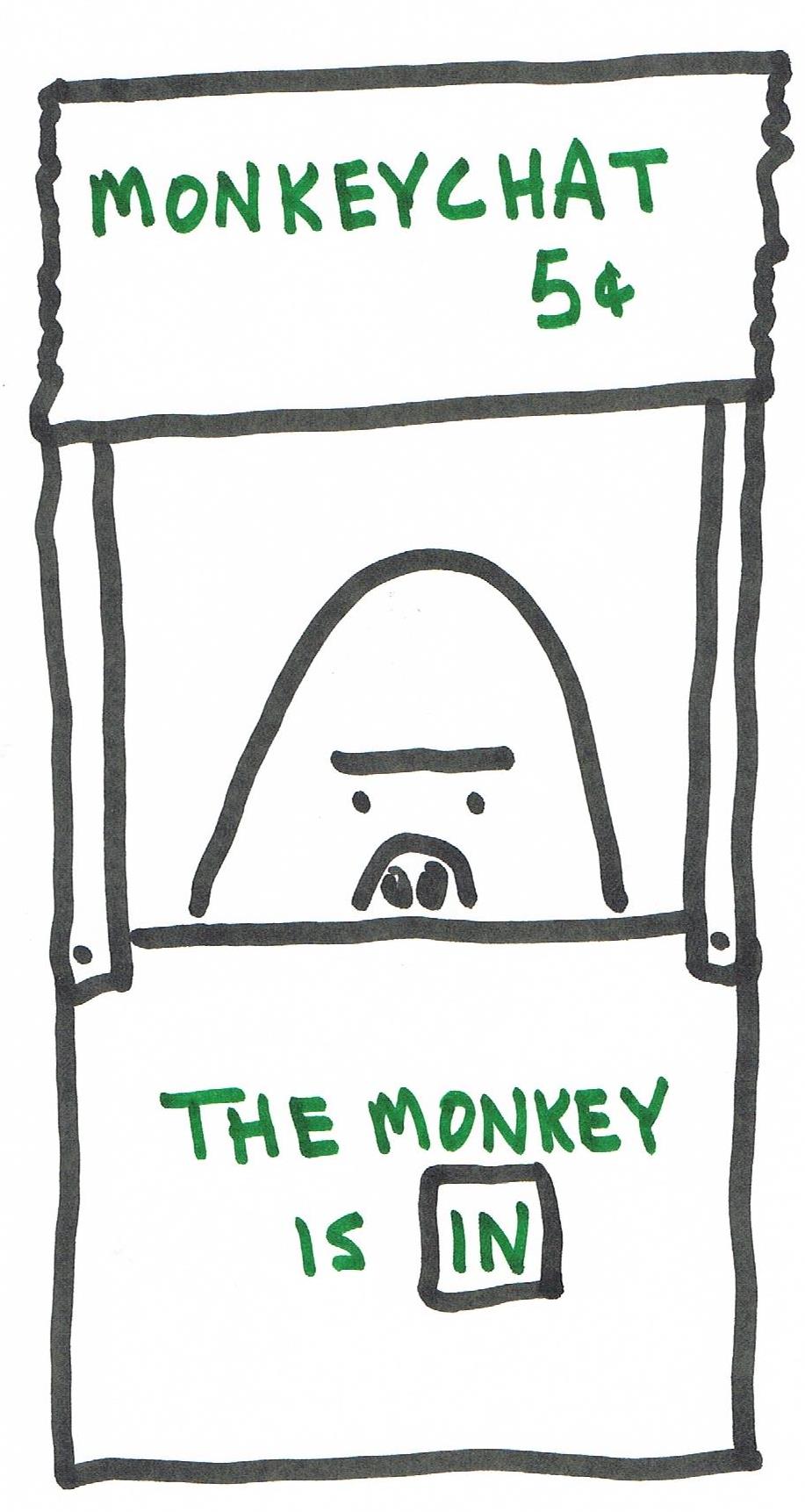
Coming soon, to a chat room near you: 


(No, it won’t really cost 5 cents.  You’ll just need to subscribe to Monkeytraps.)

***

Talk more, not less.

You’re also invited to join my new LinkedIn group, About Control.

Created to provide a place for us to discuss this important, neglected idea, the group will explore, among other things,  

~ Control as an emotional problem. Compulsive controlling as a cause of anxiety, depression, addictions, dysfunctional relationships and bad parenting.

~ Control as a clinical problem. The struggles of client and therapist to control both the client’s symptoms and what goes on in the therapeutic relationship itself.

~ Control as a spiritual problem.  Controlling that grows out of seeing reality as dangerous, and an inability to trust in anything larger than one’s individual ego.

~ Control as a cultural phenomenon.  Controllling as an attempt to pursue both happiness (as if it were something you could hunt and chase down) and freedom (usually price-tagged) from all pain and suffering.

Interested?

Come join the conversation.

(Not a LinkedIn member?  It’s easy to join.  Click here: LinkedIn.  Once you’re a member, go to Groups and type in About control in the search box in the upper right corner.  That will take you to a Join Group button.

See you there.)


Monkeyships, part 2: The more you try to control somebody…

(If you’re new to Monkeytraps, Steve is a therapist who specializes in control issues, and Bert is his control-addicted inner monkey.

This is the second in a series on control and relationships.

Steve speaking:)

“All happy families,” wrote Tolstoy, “are alike; each unhappy family is unhappy in its own way.”

Not in my experience.

In my experience, unhappy families — unhappy marriages, especially — are remarkably similar.

Consider:

~ Heather wants to marry Ian, who’s scared of commitment.  So she pressures him to propose, which scares him, so he backs away.  This scares her, so she steps up the pressure (“Why won’t you marry me?”).  Which makes him back away further and faster.  And so on.

~ “He never talks to me,” is Jane’s main complaint about Kevin, who grew up in a family where no one talked to anyone about anything.  The more she begs him to talk, the more inadequate Kevin feels.  The more inadequate he feels, the more silent he becomes.  Which angers Jane, which makes her beg harder.  And so on.

~ Lisa is a people pleaser who gets anxious when Mark is unhappy.  So she knocks herself out putting his feelings, needs and preferences ahead of her own.  Mark — who enjoys this and doesn’t want it to stop — finds he can keep Lisa motivated by remaining unhappy.  The unhappier he becomes, the harder she tries.  The harder she tries, the unhappier he becomes.  And so on.

~ Nancy: “If you didn’t drink, I wouldn’t nag you.” Oscar: “If you didn’t nag me, I wouldn’t drink.”  Rinse and repeat.

~ Both Patty and Ron grew up in families that didn’t acknowledge or respect feelings.  Hungry for emotional validation, they now seek it from each other.  Unfortunately each takes the position, “I’ll validate you after you validate me.”  Since neither validates first, no one gets validated.  Ever.  So their childhood deprivation continues.  Indefinitely.

Notice a pattern?

All these examples (and the variations are infinite) illustrate what I call the Second Paradox of Control: 

The more you try to control somebody, the more you force them to control you back.

This is the interpersonal version of the First Paradox of Control, which we explained here several weeks ago: “The more control you need, the less control you have.”

 This Second Paradox grows out of a fairly obvious fact of human nature: 

We all want control, and we all resent being controlled by others.

That’s just what is being played out in these examples.  Each of the ten partners is trying desperately (if often unconsciously) to transform the other into the partner they want.  And each of the ten is resisting the transformation as hard as they can.

You might call it control addiction a deux.

Or you could use the catchy term explained here last time: monkeyships, relationships bent out of shape by control issues.

Some of this goes on in all our relationships, because at some point every relationships turns monkeyish. 

It has nothing to do with how much we love our partner. 

It has everything to do with how much control we think we need. 

And we can expect it to continue unless we learn alternatives to monkeyish behavior.


Want more?

Typically, the co-dependent person came from a dysfunctional home in which their emotional needs were not met. Their parents were not able to provide the attention, warmth and responsiveness which kids need in order to feel that their needs count….

The need to re-play the childhood drama and TRY, TRY, TRY to achieve a different ending is so intense, that it determines even the type of person the co-dependent is drawn to. A person who is kind, stable, reliable and interested would not be attractive, typically, to the co-dependent person…they would appear “boring.”

From Patty Simko’s article “Co-Dependency” at the Planet Psych website.


Monkeyships

(If you’re new to Monkeytraps, Steve is a therapist who specializes in control issues, and Bert is his control-addicted inner monkey.

Bert speaking:)

Steve’s seeing more and more couples lately.

Not sure why, since he never trained as a couples therapist and doesn’t advertise himself as one.  But couples apparently like his approach, because they keep sending him new couples to work with.

Which at one time would have pissed me off.

Because I hated couples work. 

It scared me.

It scared me for two reasons.  First, there was too damned much going on in the room. 

Steve, explain.

Well, work with couples means paying attention to many levels and variables at once.  Like

~ what the partners say, and what they don’t say;

~ which feelings they express, and which they feel they must hide;

~ which of their goals and motives are conscious, and which remain out of awareness; and

~ what’s happening between them here and now, as opposed to  whatever past experiences (often buried, usually painful) are getting triggered.

Right.  All that felt overwhelming.  It was just too much. 

Too much to control, you mean.

Yes.  Couldn’t control it mentally.  Couldn’t organize it in my head.

And then I hated the tension.  Many couples were so angry at each other that sessions with them felt like watching someone juggle live hand grenades.  I kept waiting for some emotional KABOOM to blow the whole office into matchsticks.

You couldn’t control the emotional situation either.

Right.  I couldn’t control either their feelings or my own feelings about not being able to control how they felt.

All of which explains why, for years, whenever someone called Steve to request couples counseling I’d immediately climb up onto his shoulder and whisper Just say no over and over.

He didn’t listen, though.

Well, we had to make a living.

I know.  Didn’t care about that.  My priority was not feeling scared. 

But I’m glad he didn’t listen.   Because over time he learned something important about how to help couples.  And I even started to feel safe. 

Both these things happened after he came up with his Monkeyships Theory.

Steve explain what a monkeyship is.

It’s any relationship that becomes dysfunctional because both partners are struggling for control.

And the theory?

Simply that most (maybe all) relationship problems are monkeyship problems, since at one time or another all relationships turn, well, monkeyish.

This theory helped me feel safer with couples work in two ways. 

First, focusing on the idea of control helped me to observe and organize what was happening in each session, like a magnet rearranges iron filings.  

Yes.  Noticing how people try to control each other really clarifies how they get into trouble in the first place. 

More importantly, it gave Steve a way to help them get out of trouble.

 I realized my job wasn’t so much to fix or change any couple’s interaction as to help them notice how they were trying to get control.  I did this by pointing out what I was seeing and hearing.

Once they could spot their own patterns, the next step was to teach them the three alternatives to control — surrender, responsibility and intimacy (see the end of “What you damned well better know about control”).   And then get them to practice.

This sort of therapy is no quick fix, and it works better with some couples than others.  Its success depends mainly on how willing they are to stop playing blame tennis and look hard at themselves. 

For those who can do that, the alternatives offer a path out of monkeyship and towards what relationship is meant to be: a place where both partners can be themselves with each other, and where both come to see that what’s good for their partner is — surprise — also good for them. 

(To be continued.  This is the first in a series of posts on control and relationships.)


Want more?

“Did you know that of the over one million marriages that will end in divorce this year, two thirds to three quarters of those divorces will be filed for by women?

“What is this so-called, ‘Walk-away Wife’ syndrome all about?”

Click here to read “The Walk-Away Wife Syndrome” by Michelle Weiner-Davis, taken from her Divorce Busting website.  

Describes a pattern I’ve seen again and again.  Essential reading, especially for husbands in unhappy marriages.