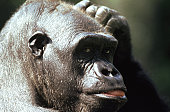
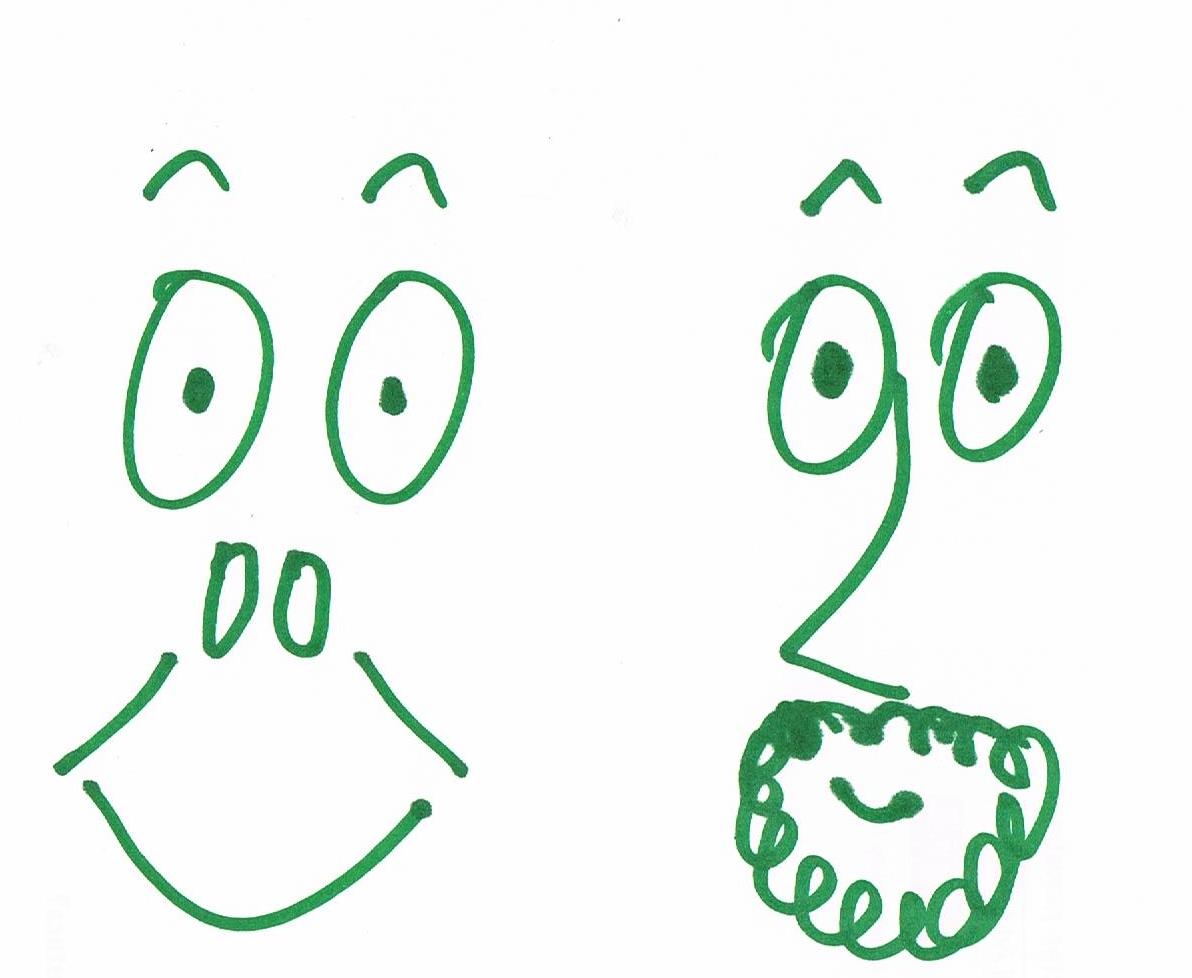
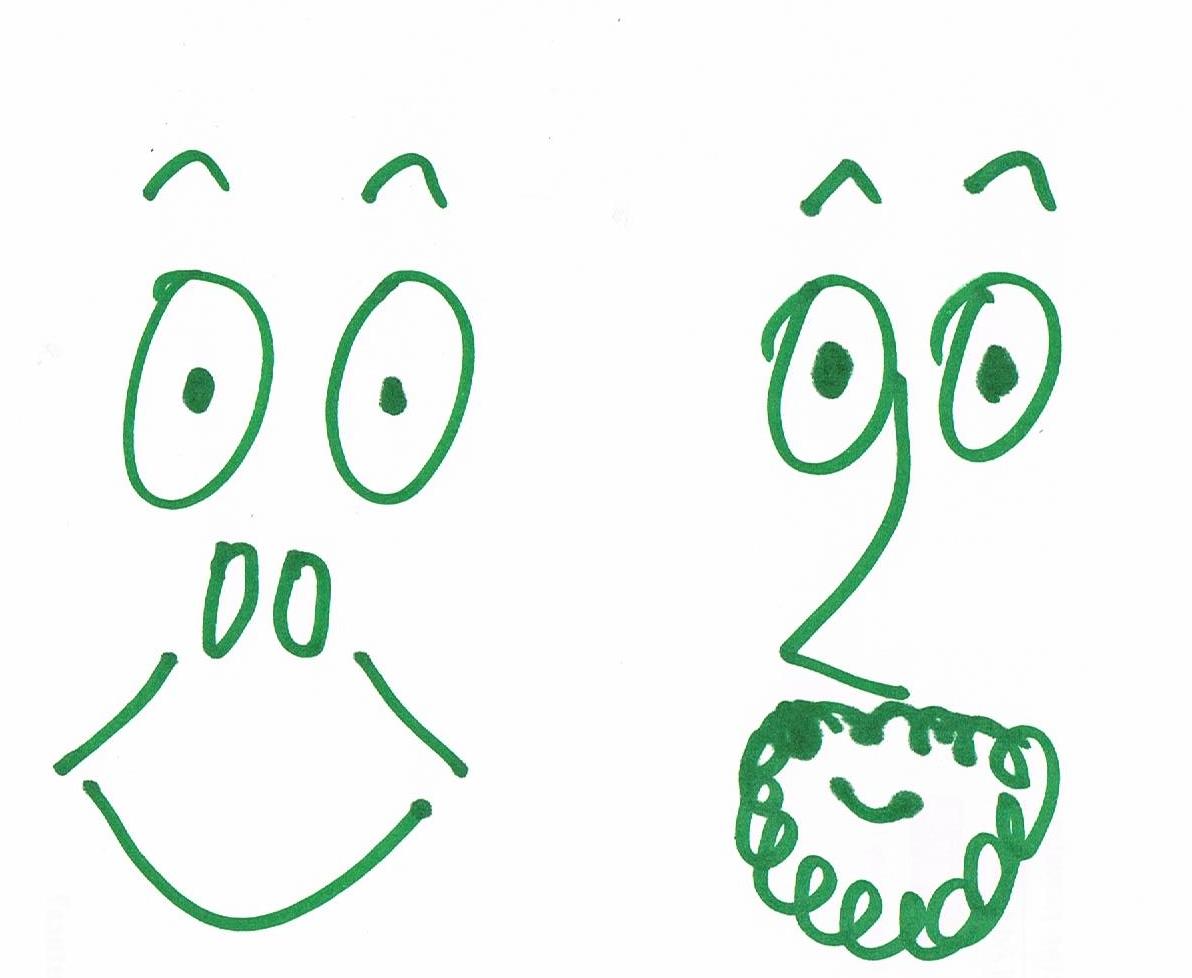
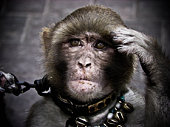
 (If you’re new to Monkeytraps, Steve is a therapist who specializes in control issues, and Bert is Steve’s control-addicted inner monkey. That’s Bert at the left, looking addicted.
Steve speaking:)
In our last post, “Bert meets the First Paradox,” Bert introduced the curious idea that
The more control you need, the less control you have.
Which is to say that needing control has a sort of boomerang effect. When you try to get more of it you end up feeling controlled. You feel controlled by — surprise — your need for control.
And this happens with weird regularity.
Still, it’s easy to overlook if you’re not looking for it. So I thought some stories might help illustrate this stubbornly reliable principle.
The actors in each of these (except the last) are heavily disguised, but the events are based in fact.
*
Annie’s depressed, in part because she’s overweight. So she eats cookies to make the depression go away. Which makes her more overweight. Which makes her more depressed. Which makes her eat more cookies. The more control you need, the less you have.
*
Barry’s wife drinks. This panics Barry, so he does everything he can think of to stop her. He reasons, begs, nags, yells, makes nasty comments, threatens divorce, hides her wine or pours it down the toilet. His wife, stressed by Barry’s reaction, drinks more. The more control you need, the less you have.
*
Carol’s daughter fails a Math test and lies about it. This infuriates Carol, who can’t stand to be lied to. So she confiscates her daughter’s cell phone and warns her of worse punishments if she lies again. This scares her daughter, who starts keeping more secrets and lying about more stuff. Which leads to more punishments. Which lead to more fear and more lies. The more control you need, the less you have.
*
Dennis is an anxious man whose last wife cheated on him. Now he worries that his new wife might do the same. So he carefully monitors her comings and goings, and makes sure he knows where she is and who she’s with. Then he listens in on her phone calls. Then he intercepts and examines her cell phone records. Then he starts following her on errands. All this yields two results: Dennis’s anxiety rises to panic-attack levels, and his wife finds a boyfriend with whom she can relax. The more control you need, the less you have.
*
Eve’s boyfriend is abusive. He doesn’t hit her, but yells and criticizes and threatens her constantly. Friends beg Eve to dump him, but she’s afraid that will make him angrier. So she does her best to pacify and appease him. Since the boyfriend likes this result, he continues to yell, criticize and threaten. Then one day he hits her. The more control you need, the less you have.
*
Fred and Ginger are married. It’s the second marriage for each, and each brings to it a history of disappointed relationships. Both want the marriage to work and are scared that it won’t, which makes them hypersensitive to any and all relationship problems. They monitor each other closely for signs of dissatisfaction or anger. They repeatedly seek reassurance that their partner still loves them. They discuss their problems constantly. All this leaves them chronically uneasy in each other’s presence. The distance between them grows, which increases their uneasiness. They begin to bicker, then to fight. When they finally come to me for couples counseling the marriage is, in Fred’s words, “Circling the drain.” The more control you need, the less you have.
*
Steve’s dog, a pit bull named Loki, runs away from home. Steve chases him across front lawns and through backyards, up and down streets. Panting and bracing himself for his first heart attack, Steve suddenly remembers the First Paradox. He stops running. He sits down in the street. Loki glances back at him over his shoulder. Steve flops over sideways. Closes his eyes. Waits. Hears nails clicking on pavement. Feels a long tongue flick his nose. Reaches out and grab’s the dog’s collar.
The more control…
Oh, you know.

Want more?
Read the Tao te Ching, if you haven’t. (If you have, read it again).
“Do you want to improve the world?” asks Lao-tzu in that wise little book. “I don’t think it can be done.” How, then, does the enlightened human being respond to the First Paradox? “The Master sees things as they are / without trying to control them. / She lets them go their own way / and resides at the center of the circle.”
(Tao te Ching, translated by Stephen Mitchell, Perennial Classics, 1988.)