Monthly Archives: October 2023
x
From the viewpoint of a tendency
to depression, people can be divided
into two categories, the outer- and
the inner-directed….
The outer-directed person puts
what faith he has in other people
and so risks constant
disappointment.
He is forever seeking something
outside himself to believe in:
a person, a system, a belief,
a cause, or an activity….
Offhand this might seem a positive
approach; on the surface it appears
he is involved and doing things.
But the doing is for others, and
it is done with the unconscious
expectation that the others will
recognize his worth and respond
with love, acceptance, and support.
(Continued tomorrow.)
1 Comment | posted in control
xx
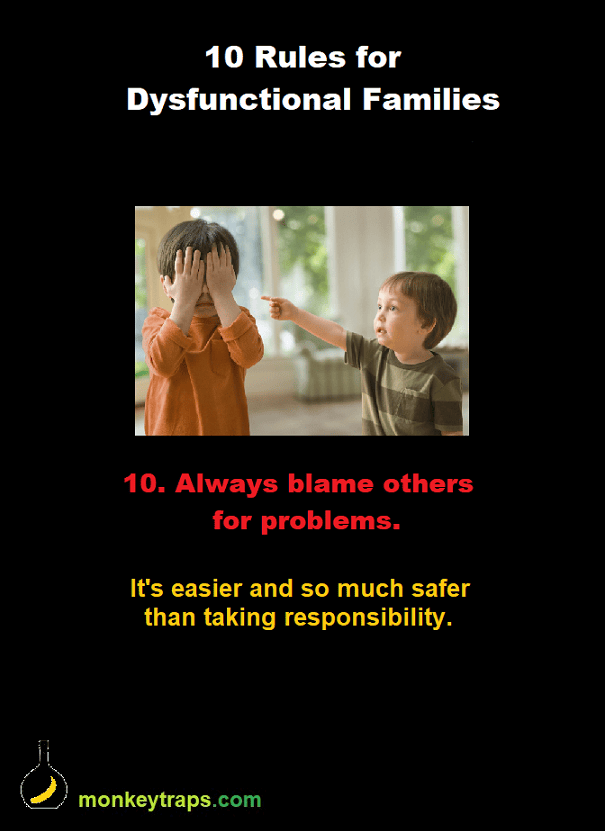
When you blame and
criticize others, you
are avoiding some
truth about yourself.
~ Deepak Chopra
xx
xx
Leave a comment | posted in control
xx
Never forget the nine most
important words of any family:
I love you.
You are beautiful.
Please forgive me.
~ H. Jackson Brown Jr.
x
x
xx
Leave a comment | posted in control
8
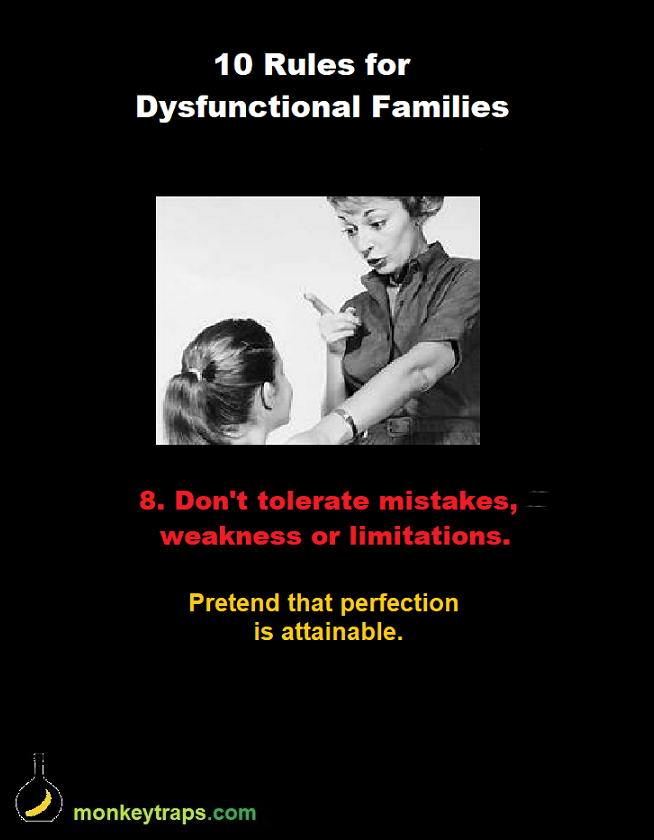
No one ever told her it was okay
to make mistakes.
No one told her there was nothing
wrong with needing help.
No one told her it was normal to
feel upset, or angry, or overwhelmed
now and then.
Everyone in her life took her
perfectionism for granted and didn’t
realize how suffocating it was.
And because no one gave the young
woman permission to be human,
she thought she was a failure
for being one.
~ Chris Colfer, Worlds Collide
*
Leave a comment | posted in control
*
*
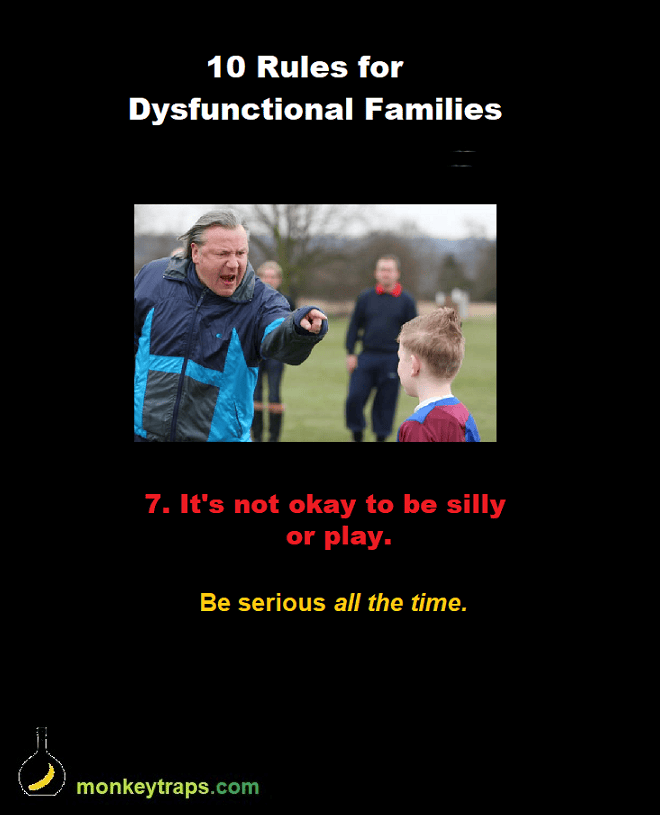
We don’t stop playing
because we grow old.
We grow old because
we stop playing.
~ George Bernard Shaw
*
2 Comments | posted in control
*
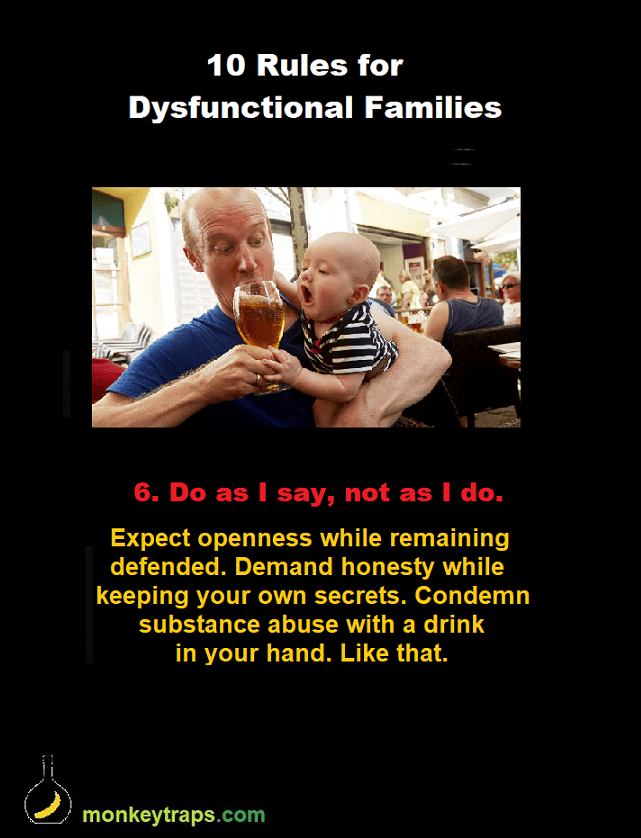
You watch and love and
live with people and you
are witness to what
happens to them.
You observe — with young
eyes — how they respond
to loss, to betrayal, to fear.
It’s the only way you’ve
seen to do these things,
so it becomes the means
by which you operate.
It takes living — and
making many, many
mistakes — to
understand that there
are other ways.
*
~ Arthur Miller
xx
*
Leave a comment | posted in control
*
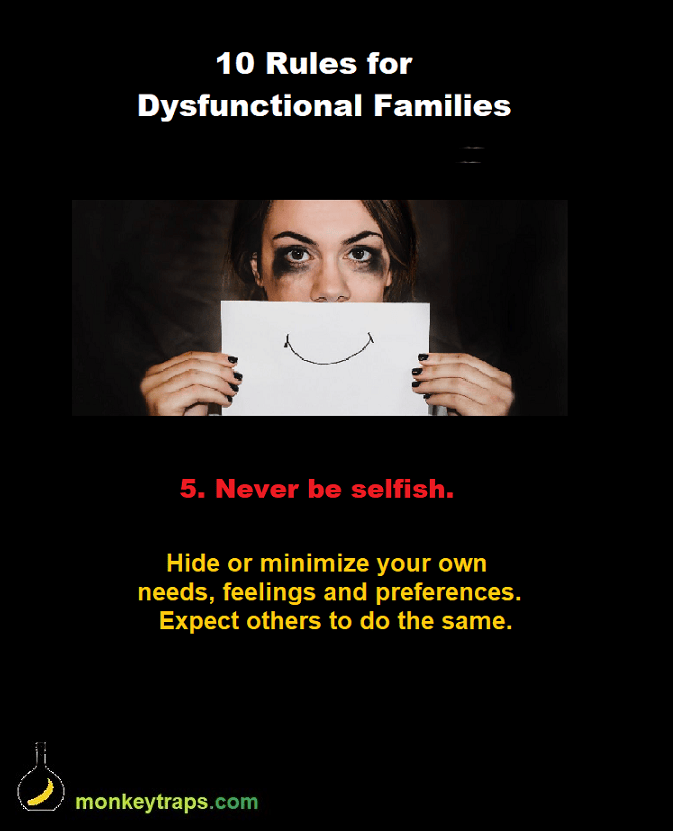
It is not easy to find
happiness in ourselves,
and it is not possible
to find it elsewhere.
~ Agnes Repplier
*
Leave a comment | posted in control
*xxx
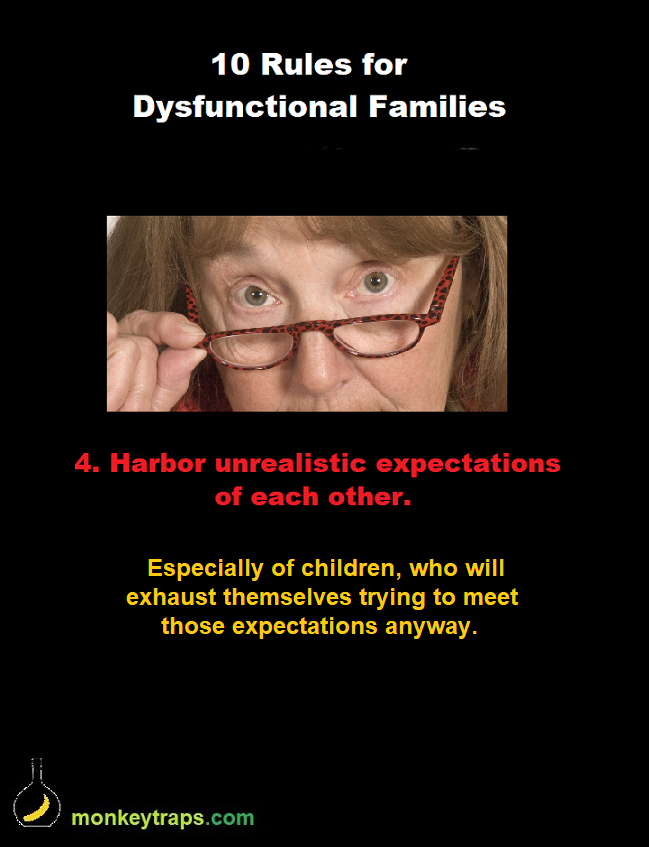
It’s easy to judge.
It’s more difficult
to understand.
Understanding requires
compassion, patience, and
a willingness to believe that
good hearts sometimes
choose poor methods.
Through judging, we
separate.
Through understanding,
we grow.
~ Doe Zantamata
xxx
*
Leave a comment | posted in control
*
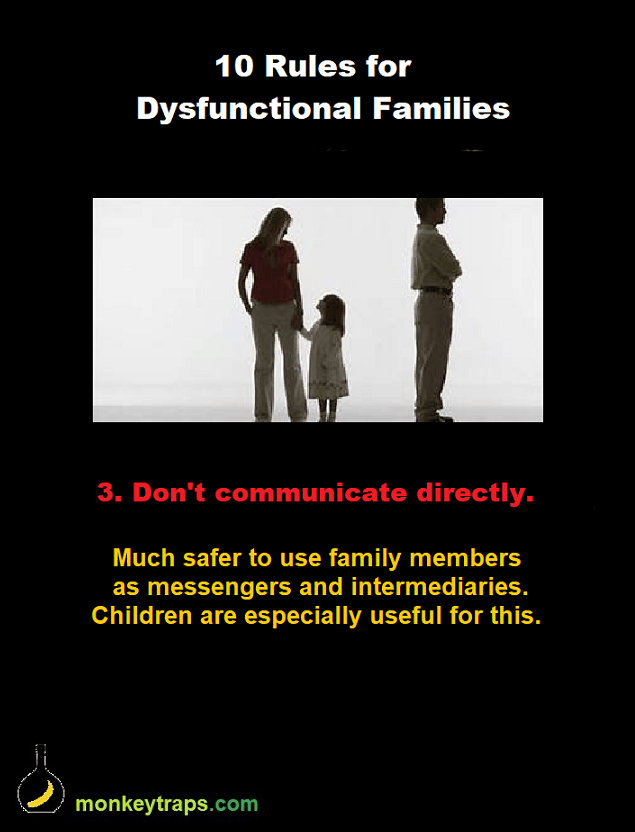
There a thing called triangulation
that happens in families.
When two members don’t
communicate well, a triangle
forms with a third person
who absorbs the anxiety and
stress from the strained
relationship.
Realizing that you’ve been
that third person can be
really enlightening.
*
~ Jessica Dore
xx
*
3 Comments | posted in control
*
xx
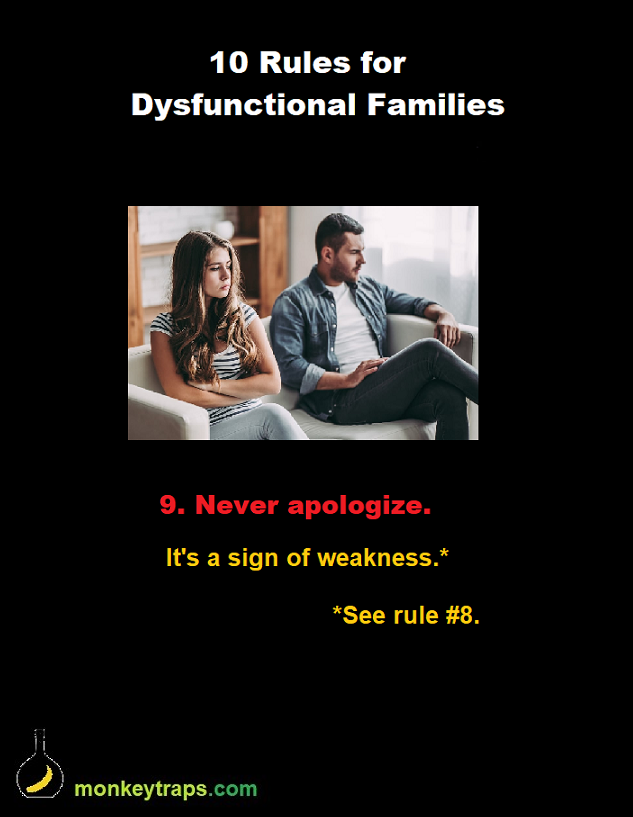
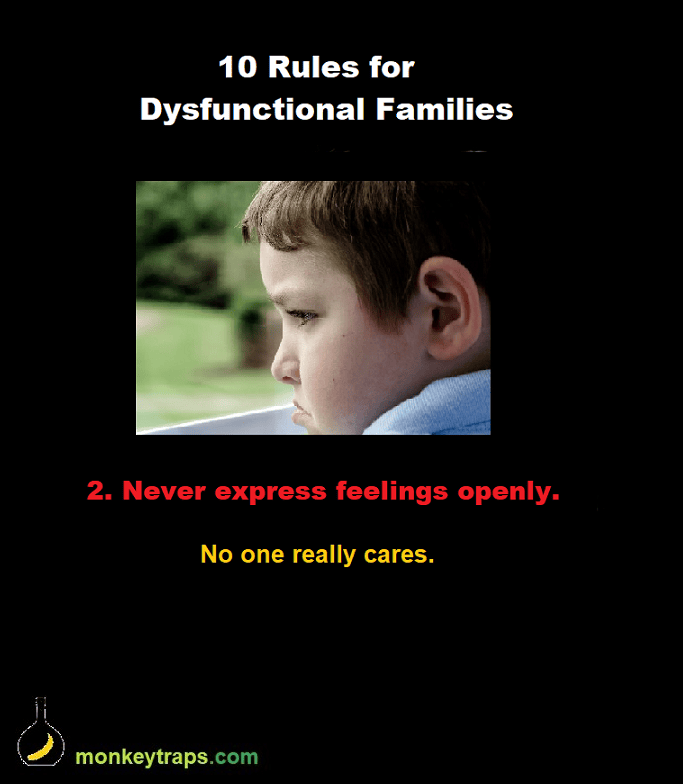
Never apologize for showing
your feelings.
When you do, you are
apologizing for the truth.
~ Benjamin Disraeli
xx
*
Leave a comment | posted in control
*
xx
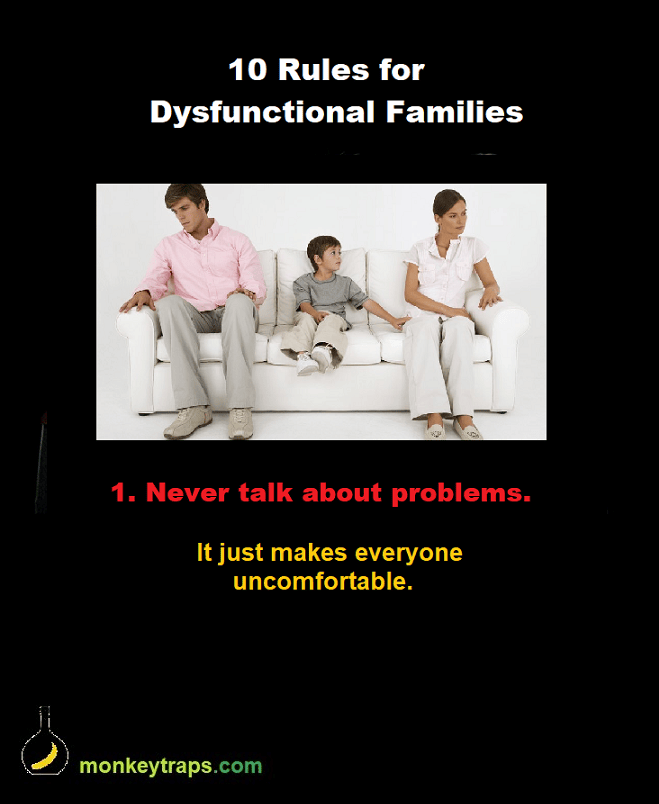
There is no problem so big,
so scary or so confusing
that it can’t be ignored.
~ Steve Hauptman
xx
*
Leave a comment | posted in control
x
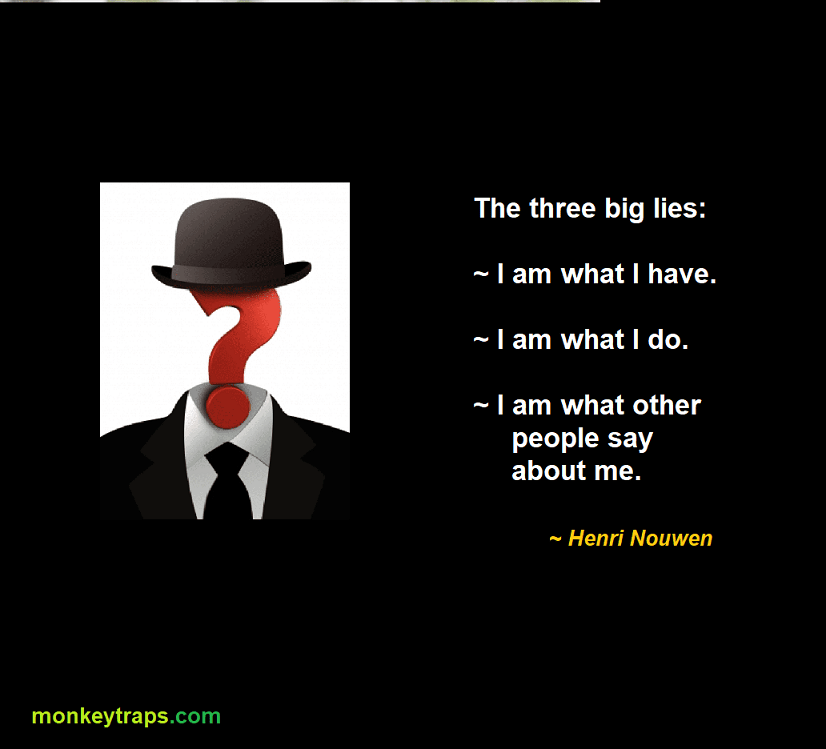
In pursuit of our illusions
we set up unreal goals —
that is, goals which if achieved
would, we believe, automatically
set us free, restore our right to
self-expression, and make us
capable of loving.
What is unreal is not the goal
but the reward that is supposed
to follow from its achievement.
Among the goals so many of us
pursue relentlessly are wealth,
success and fame.
In our culture there is a mystique
about being rich. We divide people
into the “have” and the “have-nots.”
We believe the rich are privileged in
that they have the means to fulfill
their desires and therefore to realize
themselves.
Unfortunately for many people it
doesn’t work out that way.
The rich, as well as the poor,
get depressed.
No amount of money can provide
the inner satisfaction that alone
makes life worth living.
In most cases the drive to gain
wealth diverts energy from
activities that are more creative
and self-expressive, resulting in
an impoverishment of the spirit.
x
~ Alexander Lowen, Depression and the Body (1972)
x
Leave a comment | posted in control
x
For a child, the taming of the heart
occurs when a parent survives the
onslaught of the child’s emotions.
In psychotherapy, the prototype
for the taming of the heart is the
reciprocal exchange of feelings….
In meditation, the taming of the
heart takes place through the
gradual cultivation of mindfulness,
in which nonjudgmental awareness
is extended from the body to feelings,
emotions, and states of mind….
While the methods may differ,
the intent is the same: to recover
a capacity for feelings that we
are all somewhat afraid of.
x
~ Mark Epstein, Going to pieces without falling apart (1999).
x
Leave a comment | posted in control
x
x
Loss of feelings is the male wound
most obvious to therapists.
Most men arrive in my office unable
even to identify what they feel,
much less express it.
But they don’t come to therapy
for help with feelings.
They come the way you go to a
dentist when a toothache gets
intolerable.
Their symptoms — anxiety, depression,
addictions, ruined relationships,
chronic anger, a pervasive sense of
despair or bewilderment — have simply
become too painful to bear.
And then there are other problems
that flow from the same wound:
-
American men, on average, live
for five years less than women do.
-
They have twice as many vehicle
accidents, twice as many fatal heart
attacks, three times as many deaths
from injuries, twice the deaths from
liver disease.
-
Over 90 percent of convicted acts
of violence are perpetrated by men,
and men account for over 70 percent
of the victims.
-
Over 90 percent of prison inmates
are male.
-
In schools, 90 percent of kids with
behavior problems are boys, as are
more than 80 percent of kids with
learning problems.
-
Men and boys commit suicide at
five times the rate of girls
and women.
~ From “The Feeling Wound,” Chapter 3 of The Four Wounds of Men by Steve Hauptman
Leave a comment | posted in control
x
sometimes
i love you means
i want to love you
sometimes
i love you means
i’ll stay a little while longer
sometimes
i love you means
i’m not sure how to leave
sometimes
i love you means
i have nowhere else to go
x
~ Rupi Kaur
x
2 Comments | posted in control






