Category Archives: control

Q & A Thursday


A note from Steve:


Hi guys,  

Welcome to Q & A Thursday.

Here’s how this particular brainstorm got started: 

One night we’re sitting around talking about how tickled we both are at all the visitors who keep showing up at Monkey House. 

And I say, “I can’t believe we’re actually having conversations about control.  I mean finally.  I went through ten years — grad school plus training plus clinical practice — without getting to talk about it even once.” 

“Yeah,” Bert says.  “Isn’t it weird how everyone ignores it?”

“I know.   And it’s everywhere.  It’s the elephant in every living room.”   

“A slippery elephant, though.”

“Yes.  That’s a good word.  In fact, whenever we talk about it I worry that we’re losing or confusing people.  And it’s not like in therapy, where they can ask questions.” 

“Well,” Bert says, “you could invite them to.”

“To what?”  

“Ask questions.”   

Good old Bert. 

I think for a moment.

“That’s an idea,” I say.  “But I have a better one.  They could ask you the questions instead.”  

“Me?  Why me?”

“You’re the addict, brother.  You speak from firsthand experience.” 

“Well, yeah.  But I relapse like every ten minutes.”

“That’s my point.  You know how hard it is to recover.”

“But you know that too.”  

“It’s not the same thing.  I know it professionally.  You know it personally.   And that could help them feel less embarrassed about being addicts themselves.”

“Oh,” he says.  “Like in self-help meetings.”

“Exactly.  And one more thing.” 

“What?”

“Of the two of us, you’re more adorable.”   

Which is how I convinced him.  Because like all codependents, Bert is a secret narcissist. 

* * *

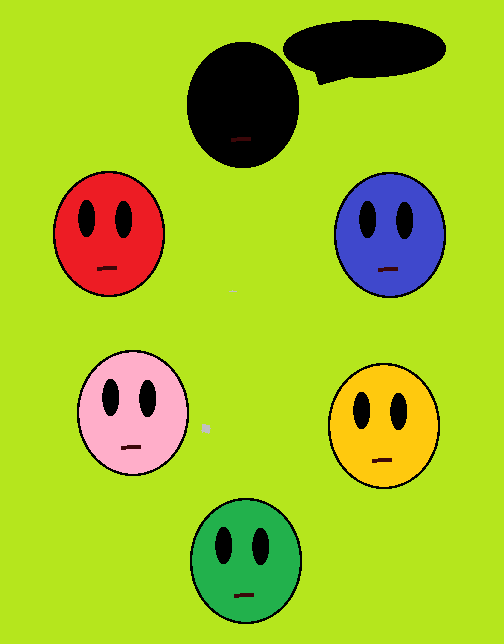
So the plan is to henceforth reserve each Thursday for Q & A with Bert. 

You provide the Q.  He (with assistance from less-adorable me) will pick those he thinks he can answer.  Then he’ll record his answers for you to hear.  

Guidelines for questions:

1. They should concern the idea of control and the role it plays in your life.  This might include control’s relationship to feelings, relationships, communication, emotional problems, parenting, physical health, self-care, spirituality, creativity and happiness.  What do you find yourself trying to control?  What do you wish you could control better?  Or control less?  You get the idea.  It’s a big elephant.

2. You can submit questions either publically or privately.  Public questions can be left in the Comments section at the end of each Monkeytraps post.  Private questions can be mailed to Steve directly at fritzfreud.com. 

3.  All questions are subject to editing for length, language and/or clarity.

* * *

Finally, Bert has something to say.  A self-introduction of sorts. 

Click here to hear it:

Hello. My name is Bert

(This is an mp3 file.  On my computer it plays automatically in Windows Media Player.  Your default player may be different.  Let me know if you have trouble playing it.  I’m not too tecchy, but maybe together we can figure it out.) 

I look forward to your questions.

Stage fright notwithstanding, I know Bert does too.

See you next Thursday.

love,

~ Steve

* * *
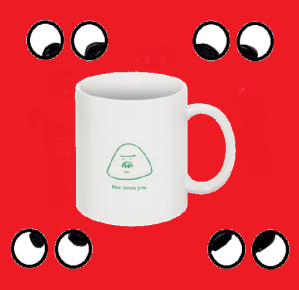
“A thing of beauty is a joy forever.”
~ John Keats


A Bert Mugging, cont’d.

As mentioned last time, BertMugMania has forced us to start offering these little beauties for sale.

And being altruistic as well as codependent, we’d like to do it as inexpensively as possible.

We’re currently in negotiations with several major mug manufacturers to get you the best price we can. 

And — since the more mugs we order, the cheaper they’ll be — we’re asking anyone who’s interested in buying a Bert Mug to send us an email saying, “I’m interested in buying a Bert Mug.”  

We should have a price quote by next week.  We’ll order at the end of the month. 


* * *



Bert speaks

COMING SOON(tomorrow, actually):


Bert, as you’ve never experienced him before.


Monkeytraps.com presents

a thrilling new feature:


In which your favorite Inner Monkey

answers YOUR questions

from the depths of

his own experience

and pathology.


What’s more,

he’ll be doing it…


In his own voice.


 Yes, that’s right:

 Bert speaks. 


You don’t want to miss this.


HILARIOUS!!

EDUCATIONAL!!

PHILOSOPHICAL!!

NEUROTIC!!


 Come back tomorrow.

Because God only knows what he’ll say. 


Tee hee.


Three keys

Jack’s face is red.  A vein throbs in his forehead.

Jill is pale and near tears.

They’re discussing  Tupperware.

Two minutes ago Jack said,  “I hate how it always falls out on the floor whenever I open the cabinet.”

“Well, that’s what Tupperware does,” Jill replied.

Jack frowns.  Jill tenses.  We’re off to the races. 

As a trained mental health professional I can tell that there’s more going on here than meets the eye.  Though a trained cocker spaniel would probably sense the same thing.   

I start asking questions.  Thirty minutes later I’ve learned  that Jack coped with growing up in the chaos of his dysfunctional family by becoming a perfectionist who now regularly imposes his need for order on the people around him.  And I’ve heard Jill describe how her mom used to prowl  through her personal belongings, and how nowadays the only room in Jill’s life which feels remotely like hers is the kitchen.  

Given those histories, Tupperware war was inevitable.

*

Axiomatic among therapists is the idea that most relationship problems boil down to problems with communication.

Fair enough.  But the next questions are “Where do communication problems come from?”  and “Why do they keep recurring?”  

Here’s how I see it.

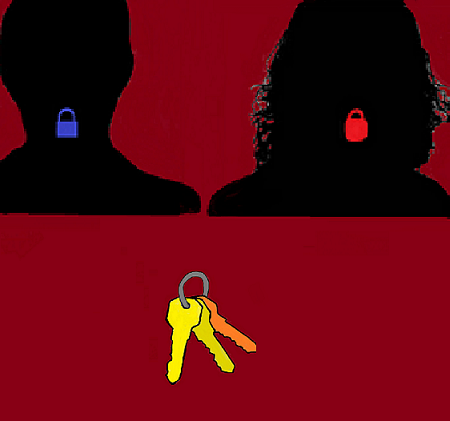
Communication tends to break down whenever partners either haven’t learned or have forgotten three key principles.  The first is

(1) There’s no such thing as a grownup human being.

This is the secret truth behind the vast majority of emotional problems.  Human beings grow faster physically than psychologically, so regardless of how big or old or emotionally healthy we are there’s always part of us that retains the feelings, perceptions and vulnerabilities of the child we once were.  That part — the famous Inner Child you’ve probably heard about — is usually what gets triggered by criticism, rejection or conflict. 

And when you and I keep having the same fight over and over, it’s a fair bet that the fight is really between your Child and mine.

Which leads to the second principle:

(2) All feelings are legitimate.

This actually means two things: that all feelings make sense, and that all feelings are worthy of respect. 

Jack’s excessive anger at unruly Tupperware makes sense in light of how he’s come to associate external control with internal safety.  Jill’s anxiety at Jack’s “invasion” of her kitchen and criticism of her housekeeping makes sense in light of how it reminds her of her mom’s disregard for personal boundaries. 

Neither can help feeling what they’re feeling.  Their only real choice is between feeling them secretly or out loud.  

Which brings us to the third principle:

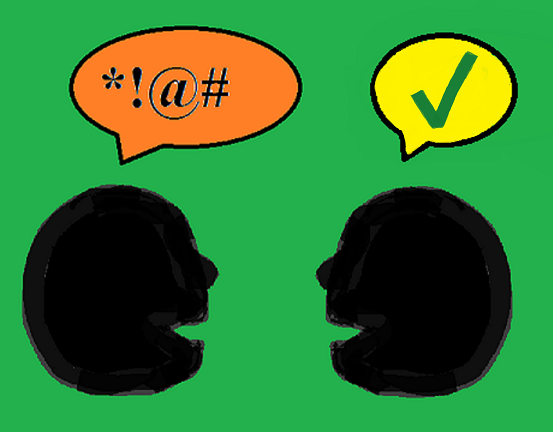
(3) Every conversation occurs on two levels.

Level 1 is the level of What We Talk About. 

Level 2 is the level of How We Feel When We Talk About It.

Communication tends to break down when couples are unable to leave Level 1 and drop down to Level 2.

Jack and Jill will keep fighting about Tupperware because the fight isn’t about Tupperware at all.  Tupperware’s just the trigger.  The real issues are Jack’s need for a sense of order and safety, and Jill’s need for boundaries and respect.

More than any other, this principle explains why communication problems tend to recur and why couples repeat the same fight over and over.  

When feelings are involved, Level 1 talk won’t resolve much, because Level 1 talk doesn’t address feelings.  So we’re talking about the wrong thing. 

And trying to resolve conflict by talking about the wrong thing is like mowing the tops off dandelions.  Expect a new crop tomorrow.

x

* * *  

Yesterday I drove my mother and father to the VA hospital in Albuquerque for a doctor’s appointment. 
I had never been to a VA hospital before. 
I guess I should have expected the numbers of crutches and canes, armless and legless veterans, young and weathered faces alike. 
I was personally witnessing the costs endured when humans war against each other. 
“Isn’t it odd,” I said to my mother, “that human beings war with each other?” 
Why in the world do we do that? 
Then I considered the ways in which we war on an interpersonal level.
We humans war to varying degrees with our partners, our friends, our bosses, our co-workers, our siblings, our parents—pretty much all in the name of our need to be “right” or the need not to be wrong.

~ From The freedom of not needing to be right by Hannah Eagle.


* * *
 

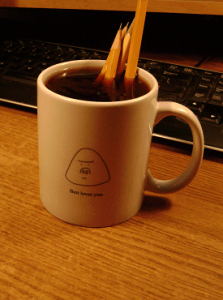
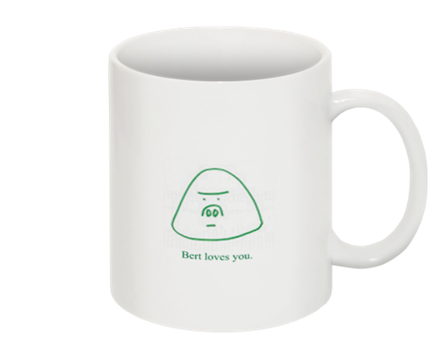
THE BERT MUG.
(Contents not included.)

Want one? 

In the wake of our recent, glorious Bert Mug contest several readers wrote to ask if they could buy a Bert Mug.
“Sure,” Steve replied.  “I can order some.  But I’ve no idea what to charge.”
Then Bert had a bright idea.
“They’re cheaper in bulk, right?” he said.  “So find out who else wants one, order a bunch and set the price accordingly.”
Steve now thinks Bert may be the smart one in the family after all.
Anyway, that’s what we’re doing. 
If you’d like an original, not-available-in-stores (or anywhere else on the planet) Bert Mug, let us know sometime in the next couple of weeks.  Steve’s email is fritzfreud@aol.com. 
We’ll place our order at the end of the month.
A closer look before deciding?  Here you go:


* * *
Noted

Lieberman watched the movie, trying to remember the name of the actor talking to Joan Crawford.
“Grandpa?” 
“Yeah.”
“You think my father is an asshole?”
Lieberman looked at his gandson, considered the question, and scratched his chin.  
“No,” said Lieberman.  “Who said he was?”
Barry shrugged.
“You heard your mother tell someone on the phone.”
Barry nodded.
“Your father is not an asshole.  Nor is your mother.  They are both stubborn, confused, directionless, and self-destructive.  That is the human condition.  Watch this part here.  Joan Crawford’s eyes.  The way they go up.”

~ Stuart M. Kaminsky, Lieberman’s Day (Henry Holt, 1994).


intro 10 high


Ghosts

I roll out of bed after a dream-filled night.  I stagger to the kitchen, find my favorite mug, pour myself coffee.  Oh sweet nectar of life.

I’m adding sugar when I first hear the sound.  A tiny squeak, like a mouse crying.  I stop to listen.  The sound goes away. 

I resume adding sugar.  I hear the squeak again.  Again I stop.  Again the squeak evaporates. 

“What the fuck,” I say aloud. 

Do I believe in ghosts?  I never thought about it before this. 

I reach for the creamer.  Again the mouse cries.   

I look down.  The tiny cry is coming from my bare feet, squeaking on the kitchen floor. 

* * *
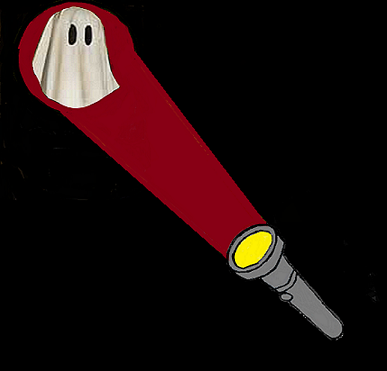
Yes, I believe in ghosts.

I don’t mean the barefoot kind.  Not the “Paranormal Files” kind, either.

I mean the ones we inherit or create in our minds.  The kind that haunts most of us, most of our lives.

I believe in them because I spend most of my days with haunted people.

~ Frank’s father was an angry, critical man with a keen eye for the inadequacies of others.  Perfectionism is the ghost Frank inherited.  It’s made him a workaholic, terrified of failure and rejection.

~ Gail’s mom was depressed and emotionally unavailable all through Gail’s childhood and adolescence.  Helplessness is the ghost Gail inherited.  It’s made her a career codependent, compulsively drawn to find and rescue emotionally damaged friends, lovers and strangers.  

~ Hope is 16; her mom is a 38-year-old narcissist trying to recapture her youth by partying with friends each night and cheating on her husband.  The ghost Hope inherited is the conviction I Am Unloveable.  It’s made her a bulimic who occasionally cuts herself with razors. 

~ Ian’s parents fought constantly while they were married, battled through their divorce, and continued to bicker afterwards.  Fear of Conflict is that ghost Ian inherited.  This family version of combat fatigue (aka PTSD) left him unable to assert himself in virtually any situation.   

~ My own family never had enough money when I was growing up.  Today I wrestle with a ghost I’ve named Not Enough to Go Around.  It emerges to squeak in my ear whenever I fantasize about trying to make a profit, like raising fees or writing an ebook and offering it for sale.    

Therapy with haunted people amounts to teaching them to better distinguish outside from inside.  (This is a confusion common to all control addicts, who regularly confuse the two.)   That’s because haunted people are absolutely convinced the ghosts exist outside — out there in the real world.  We don’t realize that we import them into each new situation.

How to stop doing that?  It varies from person to person.  But the first step is always the same: 

Identify the ghost as a ghost.   As a belief, a prejudice, an anxiety we project onto the world.

One last thought:

The truth is, as much as they scare us, we love our ghosts. 

They seem to explain something, and in a familiar way.  There’s odd comfort in that.  We adore our explanations. 

That’s why we hold onto them so tight.  That’s why it takes work to see them for what they really are, and authentic courage to let go of them.

Excuse me now.   I have to go write.

x

* * * 
x

The mind is its own place, and in it self
Can make a Heaven of Hell, a Hell of Heaven.

~ John Milton


x

* * *

x

Actual control means the ability to dictate or transform external circumstances — make people, place and things behave as we like.

Sense of control means feeling competent, grounded, secure and calm inside — in control of one’s internal state.

Put another way: actual control describes something we achieve out in the world, while sense of control describes something we achieve in our heads.

“So what?” you ask. “Why is this distinction important?”

Because actual control and sense of control are achieved by quite different methods.

Because chasing one makes you healthy, while chasing the other makes you sick.

And because one’s a lot easier to come by than the other.

~ From What we mean when we talk about control: Outside, inside by Steve Hauptman. 

x

* * *

Postscript:

x

x 


I hear hammering


I hear hammering. 


Yeah, me too.


What is it?


Renovation at Monkey House.


What are they building?


A new wing. 


What for?


Can’t tell you.  It’s a secret.


What’s this, some control game? 


Yes.


So you’re manipulating me.


Yep.  Stay tuned.


Good dog

Alone in the kitchen, running late.  I’m nuking coffee for my travel mug when it occurs to me that my car’s out of gas and I haven’t left myself enough time to buy more. 

I get angry.

“Shit, ” I say to myself.  “Stupid.  Stupid.”

“No, no,”  another voice answers.

“You thought about this,” it says.  “Last night 0n the drive home.  You weighed the pros and cons and decided you were too tired to stop.  Remember?” 

I remember.  My anger at myself fades.

End of story.

Why tell you this? 

Because I found it remarkable.

Last year I published a post here which began,

I’d like to introduce you to my dog.

Please look down.

You’ll find him attached to my ankle.

Titled “Bert’s dog” (and accompanied by the disturbing  illustration below), it went on to describe that part of me a Gestaltist would call my Top Dog, and other shrinky types might label my Inner Critic or Punitive Superego.  

You know the part I mean.  You’ve got one yourself. 

It’s that inner voice that knows each of your faults and weaknesses and never lets you forget them. 

The part which pretends it’s protecting you or moving your forward when actually it’s just making you hate yourself.

The part that behaves as if relentless self-criticism somehow gives you more control of your life instead of making you feel more and more helpless.

That part.

Anyway, I wrote about how I call mine Dog for short, how he’s scared and tortured me my whole life, and how I learned to live with him over the past six decades.

The post ended,

So.  What to do with a dog like this?

Well, it helps me a lot to remember what I’ve learned about him.  That Dog isn’t me, just the scared worried part.  That he’s unappeasable, and that he lies, and that he’ll say or do anything to survive.

All this gives me some distance from his voice.  It means when he starts growling I can say “Oh, you again.  Shut up,” instead of taking him too seriously.

Which is just what I did in the kitchen this morning.

I found it remarkable because for so long — despite everything I tell clients and everything I tell myself — I was never entirely sure it would happen: that I’d actually outgrow the abusive voice that’s dogged me since childhood and replace it with a kinder, gentler inner parent. 

Realizing that I had, standing there by the microwave, felt like a cool breeze on a hot day. 

And the microwave’s bing sounded like music.

You, too, can train your Dog.


   * * *
 

Self–talk refers to the dialogue that goes on inside your head when faced with conflict or life challenges or even simple day-to-day concerns. 

This aspect of yourself has a running commentary about everything you do.  It never lets anything go by with out some comment, remark or evaluation.


Becoming aware of this process is the first step in taking charge of this part of yourself that can create a lot of unnecessary stress.

The automatic reactions you have to this constant barrage of negative thoughts, judgments and evaluations can keep you feeling stressed and less able to meet life’s challenges.

~ From Self-talk and stress at lifematters.com


   * * * 
I never dreamed that there’s a possibility of stopping until my teacher told me that I could stop.

I thought something would have to descend on me.  Or there would have to be a level of purification.  Or there would have to be some alignment of the planets….

But he said, “Forget all that — that’s part of the conversation.

“Just stop right now.  Just be still.”

~ From Silencing the mind by Gangaji (1:54).


* * *
You have brains in your head.

You have feet in your shoes.

You can steer yourself any direction you choose.

You’re on your own.

And you know what you know.

And YOU are the one who’ll decide where to go…

― Dr. Seuss, Oh, the Places You’ll Go!


* * *
postscript:

1


Hang a left

It’s her first appointment, and she’s crying. 

“I feel so stuck,” she says.

I pass the tissues.   “How so?” I ask.

She tells me. 

Her husband bowls every Wednesday, golfs weekends, watches tv each night until bed.  Never talks to her, never compliments her, hasn’t taken her out to dinner in years.  Expects sex regardless. 

“Regardless of what?” I ask. 

“How I feel about it,” she says.

She has two teenagers, whom she serves as cook, laundress, chambermaid, tutor, therapist, referee and chauffeur.  On Mother’s Day they gave her a World’s Greatest Mom card from Wal-Mart, then spent the day with friends.

Her parents are in from Florida.  They visit frequently without asking, stay a week at a time, and criticize everything from her haircut to her parenting.  (I jot critical parents on a mental note card, file it away for a later session.) 

Her best friend is recently divorced, and calls her nightly either to exult or to mourn her new freedom, depending on how her last date went.  (“And do you ever call her?”  “What for?” she asks, without irony.)

Her mood’s been sliding downhill for years.   She sleeps badly.  Feels tired.  Feels alone.  Feels sad.  Cries.

“Ever take a day off?” I ask.

“No.”

“Ever take a nap?”

“No.”

“Have any hobbies?”

“No.”

“Have any friends or family who aren’t totally self-involved?”

She half-smiles.  “No.”

“Ever tried therapy?”

“I didn’t see how it could help,” she says.  “Can it?”

“Yes,” I say.

“How?” she asks.

“By teaching you to drive,” I say.

She looks puzzled. 

“Imagine someone who learned to drive a car without ever being  taught how to make a left turn.  So whenever they go out all they can do is turn right.  What would happen to them?”

She frowns.  “They’d go in a circle.”

“Exactly.  That’s what you’re doing now.”

“I don’t understand.”

“Think of all the choices you make in a day.  Now think of each choice as a fork in the road.  When you put others first, you turn right.  When you put yourself first, you turn left. 

“When was the last time you made a left turn?”

Her eyes widen.  She thinks.

“I don’t make those,” she says finally.

“Right,” I say.  “You’re driving in circles.  It’s why you feel stuck.”

“And therapy can teach me to turn left?”

I nod.  I’m expecting the next question. 

“But isn’t that selfish?”

“Yes,” I said.  “What’s your objection to selfishness?”

I’ve asked that question hundreds of times.  No one has a good answer. 

“It’s just…bad.”

“That’s what everyone says,” I say.  “I suppose some believe it.  But most people use it to convince others to put them first.  The most selfish people I know tend to be the first to condemn selfishness in others. 

“Me, I think of it as a survival skill.   Selfishness is essential, at least some of the time.  If you don’t take care of yourself, who will?”

“Well, this isn’t working.”  She blows her nose.   “I guess I should hang a left once in a while.  But my family won’t like it.”

“Probably not.  You’ll have to train them.”

“How?”

“We’ll talk details later.  But it amounts to putting yourself first and letting them adapt to it.” 

“And that works?”

“Sure,” I said.  “Look how well it’s worked for your husband, your kids and your parents.”

1

2

* * *
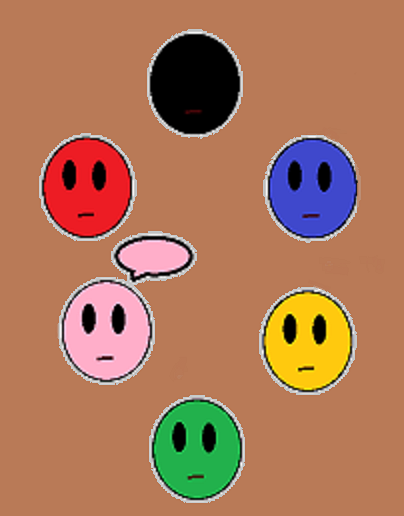


Self-love, my liege, is not so vile a sin as self-neglecting.

~ Shakespeare, Henry V


1212

* * * 

Some of us give because we can’t not give.  It’s our way of getting by in the world. 

At least if I give, the thinking goes, others will like me.  Better yet, they may even come to need me.  Then I won’t be so alone in the world.

Giving becomes a kind of barter to belong — a bid for love, rather than an expression of it.

~ From “Healthy selfishness” at daily.om.

1

* * *

I think it unhealthy to not know the things you like and the things you want.

I think if you do not allow yourself to know them and to exercise adequate levels of self-care by satisfying those wants and needs in ways that make you feel good you will find unhealthy and unsatisfying behaviors that you do in order to be safe.

The relationship will become toxic and cycle through predictable patterns of acting out, failure and disappointment.

Selfish behaviors that take advantage of or hurt someone else are not what I am describing.  Behaviors that are done in service of the health of the self are self-ish.

~ From “The concept of healthy selfishness in therapy” by Brett Newcomb.

* * *


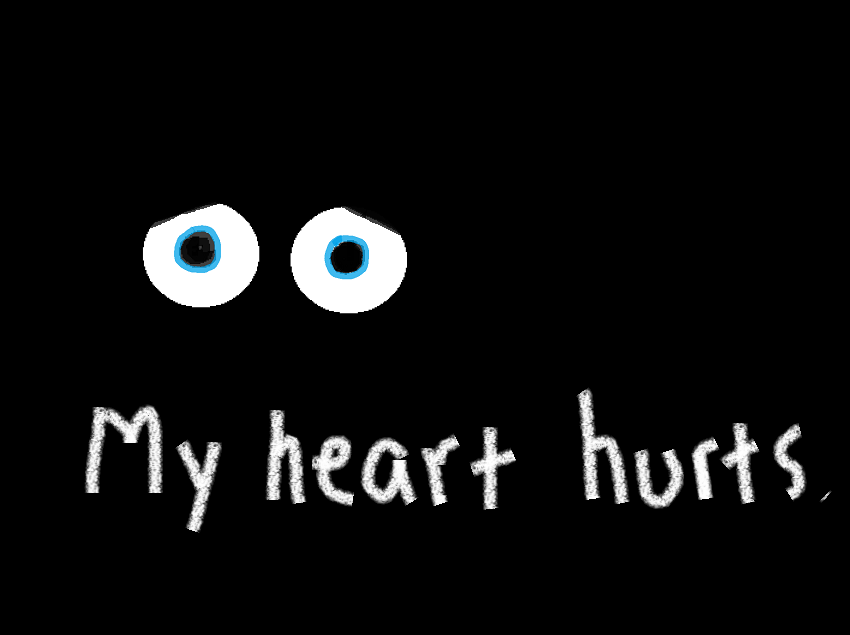
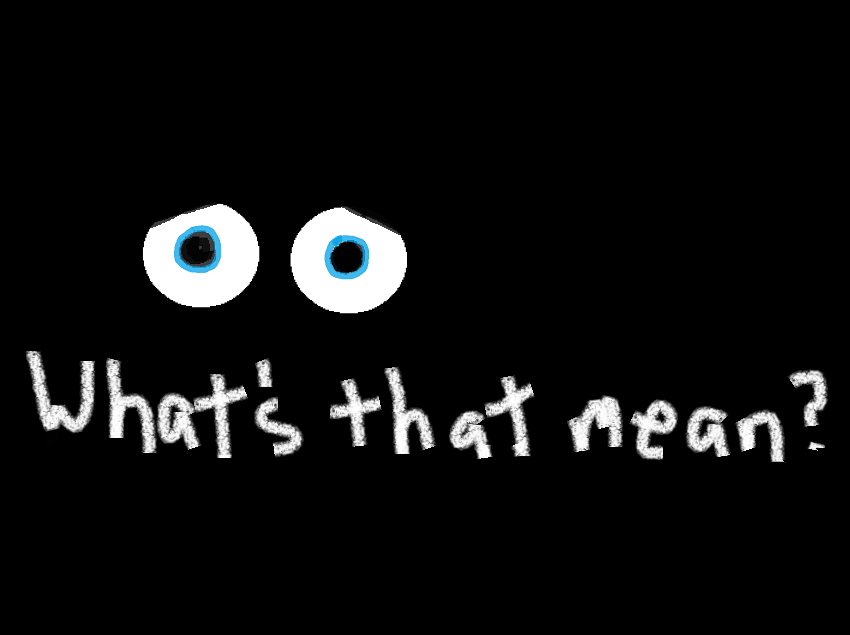
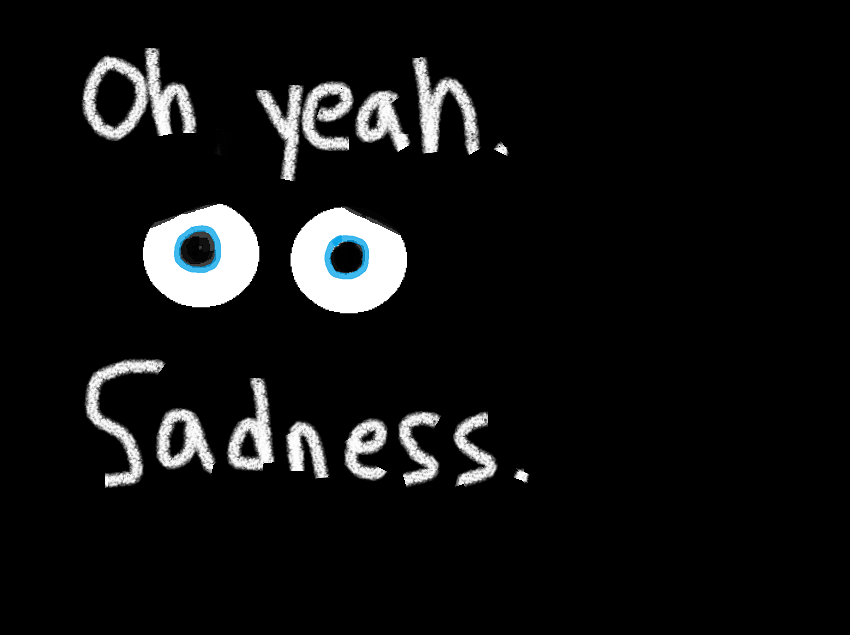
The Dark: Crying


https://monkeytraps.com/wp-content/uploads/2012/05/crying-11.png1

2

3

https://monkeytraps.com/wp-content/uploads/2012/05/crying-2.png1

2

3

2

3

4

5

1

2

31

1

2

zzz

2

3

1

2

3

1

1

2

xxx

1

2

3

1

21

23

3

1

2

3

4

5

6

7

8

1

2

3

4

5

6

7

8

9

1

2

3

1

2

3

1

2

3

1

2

2

3

4

5

6

7

8

9

1

2

3

https://monkeytraps.com/wp-content/uploads/2012/05/crying-9.png1

22

3

https://monkeytraps.com/wp-content/uploads/2012/05/crying-10.png1

2

23

1

2

3

4

5

6

1

2

3

4

https://monkeytraps.com/wp-content/uploads/2012/05/crying-13.png1

23

https://monkeytraps.com/wp-content/uploads/2012/05/crying-12a1.png

12

23


123

* * *

Do you allow yourself to cry when you need to?

If you do, you are aware of the benefits it has on your emotional and physical well-being.

If you don’t, you may not be in touch with your feelings and, in turn, may not allow your child to experience their feelings.

~ From Naturally healing through crying by Holly Kretschmer


* * *


Anderson: I find it really hard to cry, except occasionally, like, beyond my control. But I always found it — especially when I was your age, Kyle — kind of a difficult thing. You say it’s a good thing, though.

Kyle: I think it’s a good thing. Because when something happens to you, it just is great to cry. Crying helps you. You are not weak. You are strong.

~ From The importance of crying at andersoncooper.com (1:15).

1

* * *

Here’s my tip: If your child cries and it’s obviously through experiencing an overwhelming emotion, be there with them.

They need to know it’s ok to express themselves, and that you accept their feelings.

Strong emotions are scary for children; the worst thing you can do is tell them to stop or send them somewhere to deal with them alone.  Naughty corners and time-outs can be harmful for this very reason.

A child needs their caregiver to tell them it’s ok and listen to them vent their feelings.  Try not to distract them or disregard their feelings.  What might seem trivial to you may be disastrous for them.

Just be there with them, and let them know it’s ok to cry, and that you love them no matter what.

~ From The importance of crying at naturalfamilytoday.com.


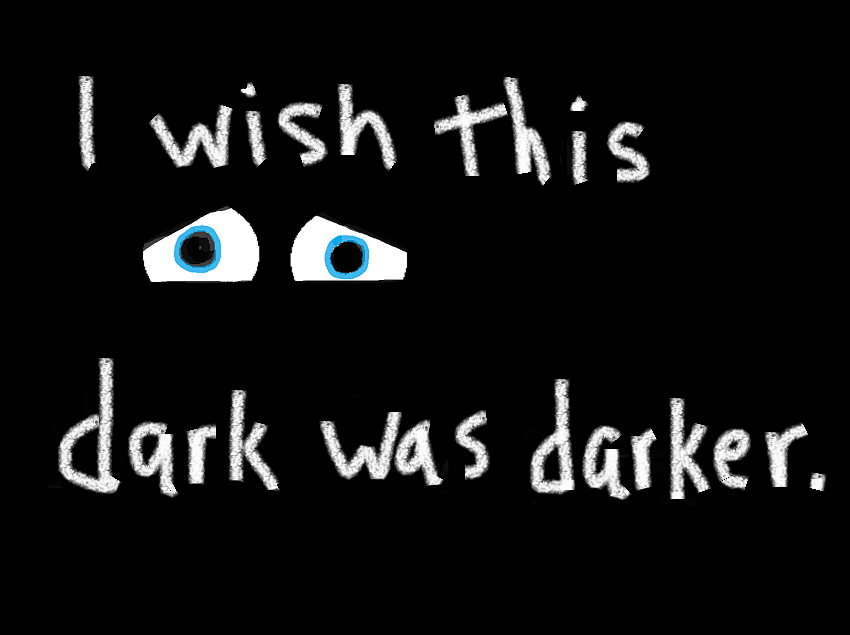
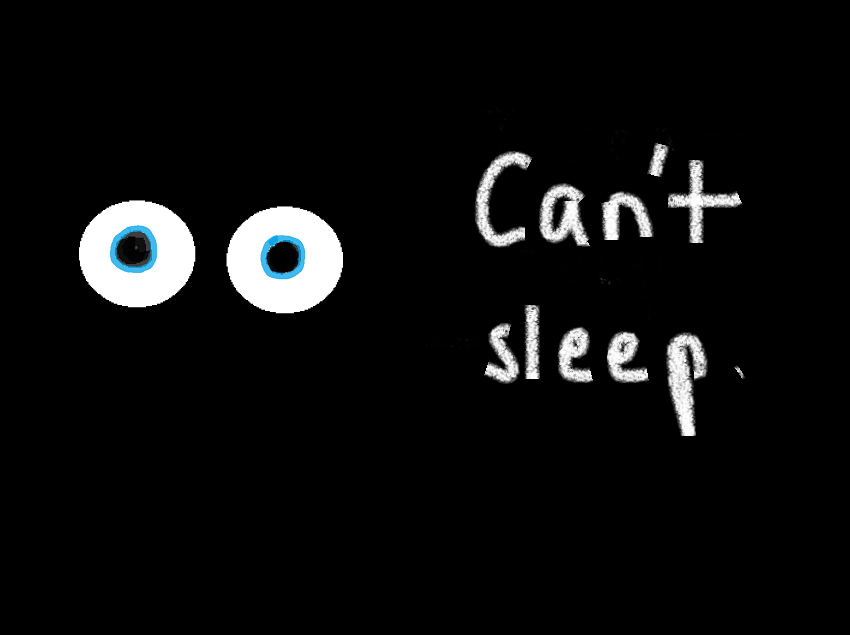
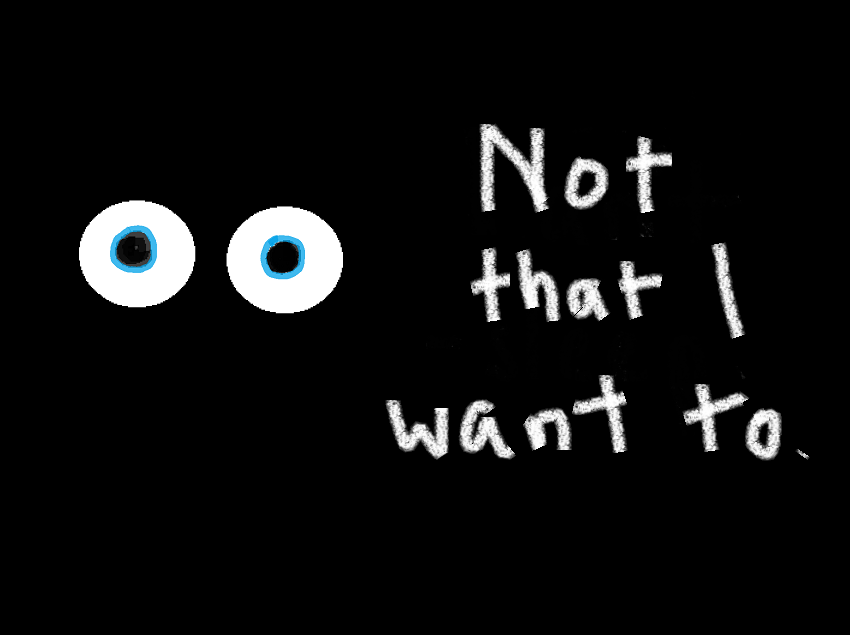
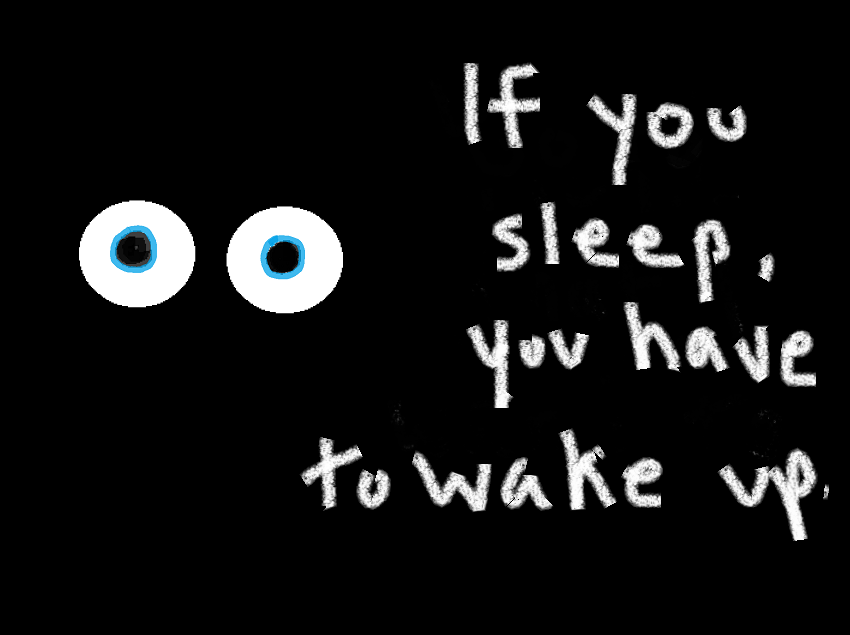
The Dark: Insomnia


Introducing a new cartoon series

about secret thoughts:

The Dark

___________

2

3

1

2

3

xxx2

1

2

3

xxx3

1

2

3

xxx4

1

2

3

xxx5

1

2

3

xxx6

1

2

3

xxx7

1

2

3

xxx8

1

2

3

xxx9

1

2

3

xxx10

1

2

3

xxx11

1

2

3

xxx12

1

3

xxx13

1

2

3

* * *

1

Can’t sleep?

Not every one of these insomnia remedies alone will get you to sleep, but a few of them at least should prove successful. Needless to say, there’s no guarantee, and no attempt to provide medical advice, but the feedback we’ve received indicates they’ve been very helpful for many people.

~ From Can’t sleep?  Insomnia tips, insomnia remedies and (just maybe) insomnia cures to help you sleep at www.well.com.


* * *


Overheard

(in the Kitchen)

at Monkey House:

When I’m in emotional pain, I notice that I hurt myself… 

If self-care were represented as a linear continuum with self-harm (destroy) being on one and and self-care (create) on the other, I would have to say that I regularly and naturally gravitate towards the destruction end. 

It’s like there’s a big magnet on the self-harm end and it really takes a tremendous effort for me to take up residence on the creation, or self-care side….


 Monkey House.

Click here ^. 

Join the conversation.


3

xxx15

1

2

3

xxx16

1

2

3

xxx17

1

2

3

xxx18

1

2

3

xxx19


The Uncomfort Zone

There’s a place in your life that’s neither light nor dark, warm nor cold, where things don’t quite work but where you stay because it’s familiar.

You stay because you know this place like the back of your hand, every dark corner, every lump in the carpet, every draft. 

You stay because you can find your away around it with your eyes closed. Which, in fact, is just what you do.

There’s pain here, but it’s the dull, tolerable kind.  The kind you know well.  The kind you’ve known forever.  The kind you cling to rather than risk something worse.  

That’s the signpost up ahead.

Next stop: the Uncomfort Zone.

* * *

Albert, 58, has been married three times.  His first two marriages ended in acrimonious divorce.  His third marriage is two years old, and his wife recently ended their couples counseling in tearful frustration.   Albert continues in therapy without her.  He reports their life has deteriorated into a series of hurtful arguments alternating with long silences.  Last week she told him she’d leave if she had someplace to go.  I ask how he thinks our work together is going.  “Really well,” he says.  “It’s very interesting.  I feel like I’m learning a lot.”

* * *

Barry, 38, sits on my sofa with his wife Beth.  They are new clients.  I ask why they’ve come.  Beth tells me Barry’s individual therapist thinks couples work is necessary.  “What led you to individual therapy?” I ask Barry.  He frowns.  “I have issues,” he says.  “You drink, and you play video games, and that’s all you do,” the wife says.   Barry frowns harder.  “Do you have a problem with alcohol?” I ask Barry.  “I have issues,” he repeats.  The wall appears impenetrable.  After twenty minutes I suggest Barry wait outside while I talk to Beth alone.  He brightens, stands and walks quickly to the door.  Then he turns back to his wife.  “Can I borrow your iPad?” he asks.

* * *

Carly, 43 and a social worker, is more depressed this week than last.  Last week she was more depressed than the week before.  This slide began last year, with her transfer out of the counseling job she loved into an administrative job she hates, under a supervisor she considers an idiot.  Now she visits her doctor monthly to request tweaks of her medication.  Asked what’s depressing her, she shrugs: “No idea.”   I tell her that I think what she needs is work — real, meaningful work she enjoys, that brings out the best in her and makes her feel valuable.  I suggest she network, go on interviews, or consider private practice.  I also suggest she pursue the hobbies — cooking, dancing, yoga — she once used to feed and express herself.  She shakes her head.  “I’m too tired for any of that now,” she sighs.  “I need to save my energy for the stupid job.”   

* * *

Debbie, 23, is crying.  “You don’t love me,” she tells her boyfriend David, who’s sitting beside her on my sofa looking miserable.  After three months of Debbie complaining of his silence and begging him to be more open with her, David has finally risked telling her about something he dislikes in their relationship.  “I’m not good with words,” he said.   “We never talked in my family.  So when I try I get nervous.  I’m scared to hurt your feelings.  And the more you push me to talk, the scareder I get.”  “Good for you, David,” I say.  “I know how hard that was.”  Debbie wipes her nose with a tissue.  “So you don’t really love me,” she repeats.

* * * 

Eddie, 42, is angry at his son Evan.  “Everything scares him,” he tells me.  “He’s scared to go to school.  Scared he’ll fail Math.  Scared to try out for teams.  Scared to ask a girl out.  What the fuck?”  He shakes his head.  I ask what happens when he tries to talk to Evan, who’s 15.  “What do you think?” Eddie snorts.  “He acts scared of me.”  I ask what Evan’s fear looks like.  “He sort of shrinks into himself.  Gets quiet.  Avoids eye contact.  I can tell he just wants me to shut up and leave him alone.”  “How’s that make you feel?” I ask.  “Furious,” Eddie says.  “I’m his father.  I’m trying to help him.”  “And what do you say?” I ask.  “I say, ‘I’m your father.  I’m trying to help you.  What the fuck?'”

* * * 

We read the world wrong and say that it deceives us.           ~ Rabindrath Tagore

I’ve heard someone say that our problems aren’t the problem; it’s our solutions that are the problem.  ~ Anne Lamott  

When the only tool you have is a hammer, everything looks like a nail. ~ Abraham Maslow

Only a concerted effort to sort out the specific nature of our personal programming can offer hope of change, of new choices. ~ James Hollis

The significant problems we face cannot be solved at the same level of thinking we were at when we created them. ~ Albert Einstein


* * *


Overheard at the House:


I’m probably addicted to control too.  The way I’ve attempted to control things is to pull further and further within myself and my own world.  I got hurt at work.  Now I don’t work.  I got hurt by friends.  Now I don’t have friends. I’m hurt by family.  So, I’m very careful when I’m with them.  But, I don’t feel safer.  I can’t control myself.  Now, I’m with myself more than ever before!  I don’t think I thought that through…


Monkey House. 

Click here ^

and join the conversation.


* * *


Coming soon:

From the monkeys who brought you 

Bert’s Therapy, The Tribe and Monkey House,

a new cartoon strip about secret thoughts:


The Dark


The tribe: Expectations


Most people feel anxious in group without really understanding why.

1

2

member 1

3

4

1=

2=

Personally I think it’s because, on some deep level, the group reminds us of our family of origin.

1

2

member 2

3

4

5


2=

And we expect it to treat us just as our family did.

1

2

member 3

3

4

1=

2a

=

So tell me.  If this group were your family, what would you be expecting now?

1

2

member 4

3

4

1=

2=

therapist 5

1

2

To get hit.

3

4

5

6

1=

2=

1

2

3

4

5

1

To get humiliated.

3=

\


therapist 7

1

2

To be told to shut up.

3

4

5

1=

2=

1=

therapist 8

1

2

3

4

To be ignored.

3

4

1=

2=

Pink?  What would you expect?

1

2

member 9

3

4

5

1=

2=

therapist 10

1

2

3

All of the above.

3

4

5

1=

2=

Jeez.

1

2

member 11

3

4

5

6

1=

2=

So you all have good reason to feel anxious in this room.

1

2

member 12

3

4

5

1=


2=

But I have to ask Pink:

1

2

member 13

3

4

5

1=

2=a


How’d you work up the courage to even come here?

1

2

member 14

3

4

5

1=

2=

therapist 15

1

2

3

Two beers, half a pizza, and a Vicodin.

3

4

5

6

7

* * *


Group therapy. 

In Hebrew. 

“Hello, this is Fear Management. 

“My name is Moni, and I too have a phobia. 

“I have a fear of shouting. 

“You know, a, h, h, h, exclamantion mark, ‘ahhh’!

“At this point I suggest we all tell about ourselves…” 


Excerpt from the Israeli TV show “Ktzarim”:  Five troubled people (that description includes the group leader) meet for group therapy.  In Hebrew with English subtitles (2:22).


* * *


Overheard at the House:

Eventually, and every time, I used to drive my current partner insane with my hang ups and he broke off the relationship….

So I decided only I could change and needed to put my – sorry to be blunt – infantile behaviour aside and choose blind trust, no matter the outcome….

Result: I came to accept that my life is my life and not dependent on anyone else for survival or safety – and in a way I was going to be alone, with or without a partner: it’s part of the human condition….


Come. 

Join the conversation. 

Monkey House.

Because we’re all monkeys on this bus.


House moving

Don’t look now, but:


WE’RE ALREADY MOVING.

Glitches reported by new members trying to join our new Monkey House forum (hosted by HyperBoards) suggest that maybe we needed a new home.

So we moved.  Our new site is  also called MONKEY HOUSE (and subtitled “Because we’re all monkeys on this bus”), and you can find it here:

http://monkeyhouseforum.wordpress.com/

It’s a WordPress site, and so Monkeytraps’s new sister.

We hope and expect Monkeytraps and Monkey House will cross-pollinate.

We also expect it will give us more room to spread out.  Already we’ve created five new rooms (still unfurnished — anyone got a spare Mr. Coffee?) where you can go to meet and talk about the control issues that most bedevil you, including

The idea of control
Control and feelings
Control and relationships
Control and parenting
Control and self-care

And then there’s the sixth, called The bathroom.  Strictly for venting. Frustrated?  Furious?  Depressed?  Dump it here, friend.  Just close the door when you leave.

Come one.

Come all.

Tell your friends.

See you at the house.

love,
~ Bert & Steve


The Tribe: Validation


You all know me, but not each other.  So let’s find out what you’re doing here. 

Why did each of you join this group?

1

2


3therapist 3

1

2

member 3

3

4

1=

2=

Come on, be honest.  Why are you here?

1

member 4

3

3

4


2=herapist 5

a

It was your idea.

It was your idea.

It was your idea.

It was your idea.

It was your idea.

1=

2 

My idea?  That’s the reason?

1

2

member 6

3

4

1=

1= 

a

Pretty much.

Pretty much.

Pretty much.

Pretty much.

Pretty much.

1=


2=

Hm.

1

2

member 8

3

4

1=

2=

Well, needing to please your therapist isn’t very therapeutic.  Maybe we should rethink this.

2

member 9

3

3

1=

1


What if we cancel group?  How would you feel?

1

2

member 10

3

4

1=

2=

therapist 11

1

2

member 11

3

4

1=

2=

Come on, be brave.  How would you feel about stopping right now?

2

2

member 12

3

4


2=

th

1

2

Yippee.

3

4

1=

2=

t1herapist 14

1

2

Yes.  Yippee.

14

3

4

1=

th2

Yippee also.


Me too.

3


1=

th

1

2

Ditto.

3

4

1=

2=

th

1

2

mem

3

4

1=

2=

Huh.  Now you’re all smiling.  

1

2

member 15

3

4

1


You better be careful.

1

2

member 16

3

4

1=

2=

Someone might mistake you for a group.

1

2

3

4

5

6


* * *


About validation

One of the most important emotional skills is the skill of validation.
It is a skill because it can be learned.
Whether it is or ever will be part of the academic or corporate measures of emotional intelligence, I really don’t know.
But I do know that if you want to have better relationships with people, the skill of emotional validation is extremely useful.
The relationship will be better because with more validation you are going to have less debating, less conflicts, and less disagreement.  You will also find that validation opens people up and helps them feel free to communicate with you.
In fact, if there is a communication breakdown, if there is a wall between you and someone else, it probably has been built with the bricks of invalidation.  
Validation is the means of chipping away at the wall and opening the free flow of communication.

~ From “Emotional validation: Introduction” at EQI.org.

1

* * *

1

Visited

Monkey House

yet?


No?

What are you waiting for?


What’s Monkey House?  Read this.

Then click here to join the conversation.  (Go to “Do you need to register a new member?” at the top.)

We’re asking, “What’s the most difficult control issue you’re facing now?“

A recent exchange:

Hi Bert and Members, 
       Cutting through the fear barrier of speaking out.  Here goes: 

       My control issue:  wanting validation as a person, in an individual sense.
       Always, no matter what the situation, I’m pushed to the outer, disregarded, invalidated and not included, the invisible factor engulfs.  As much as I try, 30+ years of trying, same result.  I can do my job, very well if I may say so myself, and yet everything/everyone stays out of arm’s reach to the point of utter loneliness. Smiley

        Thanks Bert And Steve.  After reading your blog for nearly 6 months, I’ve become aware of how the issue of control infiltrates so many aspect of our lives while recognizing both the healthy and unhealthy aspects of control. Smiley


Hey, David.  Thanks for cutting through. Smiley

Odd you should mention validation.  That just happens to be the title of our next Monkeytraps post (due Sunday 5/13.)  It’s also a subject on which we both have thoughts.

Steve:  The need for validation is legitimate, inescapable, and the biggest damn monkeytrap I know, since it forces us to try — endlessly and in countless ways, not always conscious or healthy — to get what we need from other people.  And as with most forms of control, the more of it you need, the less you seem to get.  It’s also why having at least one reasonably healthy relationship is more or less essential to happiness.

Bert:  God, I hate needing validation.  I grew up hungry for it, so hungry that I used to avoid relationships just to avoid being disappointed.  That didn’t work, of course, since it was like starving myself in order to avoid food poisoning.  Eventually I had to take the risk again with people.  A pain in the ass, people, but also the only game in town.


Welcome to Monkey House


Hey.

You, with the banana.

Come in.

Sit. 

Visit.

1

2  

Welcome to

Monkey House. 


Hi guys,


No, it’s not a real house.

It’s a sort of experiment. 

And it’s my bright idea. 

I’ll explain:

The other day, after Steve’s session with a new client who turned out to have (surprise) control addiction, I found myself remembering the bad old days. 

I mean the days before I knew I was addicted to control.

I remembered how miserable I was, and how clueless.  How I had no idea what was hurting me.  Why I felt so anxious, and depressed, and stuck.

Then I remembered how — after realizing that I’d been making myself sick trying to control stuff that couldn’t or shouldn’t be controlled — I had no idea what to do next. 

No freaking idea. 

See, it’s one thing to notice that your Plan A is unhealthy.  It’s quite another to create a Plan B.

I remembered all the years it took me to come up with mine.  All the reading and writing, thinking and worrying.  All the mistakes.

Also the loneliness.  I remembered how often I wished there was someone to talk with about this control stuff. 

Then I thought of those of you who’ve written to us over the past year, asking the same questions that used to confuse the hell out of me.  

And I said to myself: “Self, wouldn’t it be nice it to have a place where we could talk to each other?”

And my self answered: “Yes.”

So I created Monkey House.

It’s a brand-new forum, hosted by a forum-hoster named HyperBoards, just for us monkeys.  (AKA codependents.  AKA control addicts.  AKA human beings.) 

It’s a place to connect with other monkeys who are struggling with the same pain, confusion and loneliness.  To chat, discuss, question, answer, argue, commiserate, and generally be there for each other while we try to avoid (or escape) the inevitable monkeytraps of our daily lives.

Oh yeah, and admission is free.

You’re cordially invited to visit.  

Just click here.   (Go to “Do you need to register a new member?” at the top.)  You’ll be asked to register a user name and a password and confirm that you’re human.    

Then you can pull up a chair and (if you want) reflect on our very first discussion question:

“What’s the most difficult control issue you’re facing now?”  

I can’t wait to hear your answers.

Can’t wait to see where this experiment goes.

See you at the house.

love,

Bert

PS:  New to the Monkeytraps community? Visit our home page and read START HERE.


Welcome to

Monkey House.


The tribe


Hi, everyone.

Welcome to group.

1

2

3

4

5

1=

2=

You’re all nervous, I know.

That’s perfectly normal.

1

2

3

4

5

1=

2=

You should start to relax as you get to know each other.

You have lots in common.

1

2

3

4

1=

2=

So let’s start.  

Who’d like to introduce themselves first?

1

2

3

4

5

1=

2=

1=

2=

3=

I’d like to go home.

1

2

3

2=

3=

1=

2=

3=

I may throw up.

1

2

3

4

1=

2=

=3

1=

2=

3=

I’d prefer a smaller group.

1

2

3

1=

2=

3=

1

2

3

Would it help if I left?

1

2

3

1=

2=

1

2

3

God.  This is such bullshit.

1

2

3

1=

2=

1

2

3

4

5

6

7

1=

2=

There.

Everyone feel better?

1

2

3

4

5

1=

2= 

* * *


Somewhere along the line, we therapists got the idea that there is such a thing as a safe space.


There is not.


Maybe, at best, there’s the “safe enough space.”  But let’s take a look at what safe often stands in for.


When someone says, “I don’t feel safe,” they are often trying to use that expression of feeling to manipulate their environment, rather than check in with us about their emotional state.


Safe is often a code word for “I want you to do something different,” such as:


Safe means you take responsibility for my lack of caution


Safe means you have to respond to me in a conscripted way


Safe means you can or can’t say things if they’ll cause an unpleasant feeling in me.


~ From “There’s no such thing as a safe place” by Mike Langlois, LICSW.