
Category Archives: addiction to control
Practicing responsibility
Seventh is the series
Notes on Recovery
.
I probably use the word responsible differently than you.
To me it means able to respond. “Respond” as is reply or answer.
I see responsible people as those who can answer a situation, challenge or problem in a healthy way – one that meets their needs, respects their feelings, acknowledges their preferences, promotes their growth, and leaves them more powerful.
I’m guessing responsibility means something else to you.
That may be because I’ve known so many clients who confuse it with following rules, meeting expectations and discharging obligations. These are people who regularly lose themselves. They sacrifice their needs, feelings, preferences and growth to other people, or jobs, or imposed codes of behavior, or impossible standards, or endless To Do lists. They do this less out of love or idealism than self-defense: they’re scared of what will happen if they don’t do it.
I call that irresponsible.
Truly responsible people, as I see it, as the ones who can (a) listen to themselves and (b) act in their own self-interest.
Listen to themselves mean focus inside, pay attention to feelings and the messages their bodies send telling them what their needs are.
Act in self-interest means respecting those emotional and bodily signals instead of ignoring or hiding them.
This sort of responsibility starts with simple stuff: eating when hungry, resting when tired, peeing when your bladder is full. It extends to venting when angry, crying when sad, reaching out to others when lonely or scared.
As I said, simple stuff. But if you suffer from control addiction I bet you don’t do any of it nearly enough.
So that’s what you need to practice in recovery. Call it responsibility, self-love, self-care, or (as I do) healthy selfishness.
“Selfish,” of course, is the dirtiest of words. Most people confuse it with behavior that harms or neglects others.
But who isn’t selfish? Preoccupation with ourselves is built into our nature and neurology. We can’t help that. Our only choice is to admit or deny it. To be honestly selfish, or hide our true motives behind a mask of selflessness.
Thus in the end practicing responsibility means being able, willing and brave enough to take care of yourself.
Because if you don’t, who’s going to?
Next: Practicing intimacy
Refocusing
Fourth in the series
Notes on Recovery
Our need to refocus comes from realizing the real reason we try to control stuff:
We’re trying to control how we feel.
We’re especially trying to manage anxiety.
Think about it. What scares you most? Criticism? Failure? Rejection? Abandonment? Humiliation? Physical pain or discomfort?
That’s what you feel most compelled to control.
Compulsive means anxiety-driven. Whenever I act like a control addict – for example,
~ hide my real self from other people,
~ hide my true feelings from myself,
~ try to impress, coerce or manipulate others,
~ insist things be done my way,
~ caretake friends or family members,
~ worry endlessly about the future, or
~ try to make my environment just as I want it to be
– I’m being driven by some anxiety about what will happen if I don’t do these things.
Recovery means finding another way to manage this anxiety.
Which is where refocusing comes in.
When I refocus, I shift my attention from Out There to In Here. I redefine the problem from some external trigger (X looks mad) to my own reaction (I’m scared of X).
I step back from that reaction and realize that, to feel safe again, I really don’t need to control X. I just need to change my reaction. If I can do that, X’s anger stops being a problem.
Changing my reaction to stuff is what allows me to stop trying to control it.
Next: The three questions
* * *
Previous posts in this series:
(A sort of preface:) Tricky
1. Bottom
2. Power
3. Plan B
Harbor
Six women, crying.
All moms or grandmothers, and all worried about a kid.
One kid is gay and her parents are rejecting her. One’s being fed junk food and left alone all day with tv. One (a big one) is a germophobe whose marriage is in jeopardy. One (another big one) drinks too much. And the last flies into rages when he can’t get his way.
Anxiety, frustration, guilt and helplessness slowly fill the group room like a swimming pool.
And behind each story is one question: What can I do about this? And the same frightened answer: I can’t do anything.
“Okay,” I say finally. “Ready for some good news?”
They look at me.
“Not the answer you’re looking for, probably. And not where you’re looking for it. Not out there, among the people you love and want to rescue and the problems you hate and want to solve.”
I get up from my chair and go to a mobile hanging in one corner. It’s my Seafood Mobile, all fish, crabs and starfish. I flick a tuna with my finger. The whole mobile bounces.
“This is a family,” I say. “See what happens when one member’s in trouble? The trouble migrates throughout the system. Affects everyone. Got that?”
They nod.
“Now watch.” I hold the tuna between my thumb and forefinger. The mobile calms down. “This is what happens when one member stabilizes or heals. That healing migrates throughout the system too.”
I sit down again.
“You’ve no control over these problems. But you also have more power than you know. You can be the calm fish. You can help stabilize the system.
“Remember when you were kids? Remember the adults that helped you the most? They weren’t the anxious, angry or desperate ones. Not the ones who scolded or punished or rescued.
“They were the ones who reassured you, encouraged you, praised you, helped you feel good about yourselves. Who modeled calmness, acceptance, or faith. Who helped convince you – because they really believed it – that Everything Will Be Okay.”
“That’s what you can bring to your families.
“Your kids and grandkids are each in their own little rowboat. You can’t row it for them. Can’t stop the storm or calm the waters. You don’t have that kind of control.
“But if you learn how to calm yourselves without controlling, you can offer them a safe harbor. Model faith that Everything Will Be Okay. And provide an emotional space where they can pull in, drop oars, catch their breath, regain hope.
“Not a small thing.”
The split-level relationship
 There are two questions with which you must struggle if you want a healthy relationship:
How can I have you without losing me?
How can I have me without losing you?
You can’t really answer these questions, just struggle with them.
But it’s the struggling that matters.
Why?
Because they represent two essential needs each of us brings to any relationship:
Connection and freedom.
Acceptance by another person, and self-acceptance.
A real partner, and at the same time, a real self.
Most people I know are convinced you can’t have both at the same time.
Most came from families — alcoholic, abusive or otherwise dysfunctional — unable to teach them to balance connection with freedom.
What they learned instead was that having one meant losing the other. That winning love and approval from parents, for example, meant sacrificing important parts of themselves, like the freedom to express feelings or take care of their own needs.
The family that raised us is where each of us learned our own personal answer to the two questions. And the answer we learned grew into a crucial (though mostly unconscious) part of our basic view of life and relationships, what I call our Plan A.
Some of us decide, “Since I can’t have both, I’ll have me, and to hell with you.” Shrinks call this the narcissistic answer.
Others decide, “Since I can’t have both, I’ll have you, and to hell with me.” This is the infamous codependent answer.
So the narcissistic partner says “Me first,” and the codependent replies, “Yes, dear.”
And the two personality types end up together with stunning regularity. (Remember Archie and Edith Bunker?)
Watching such couples interact, one is struck by their predictability. In every situation the narcissist finds some way to say “Me first,” and the codependent to reply “Yes, dear.” It’s as if long ago they sat down and signed a contract.
Which in a way they did.
Their complementary answers to the two questions probably account, in large part, for why they felt attracted to each other.
In any case, the vast majority of couples I see for couples counseling follow this pattern — so many that I felt the need to give them their own name.
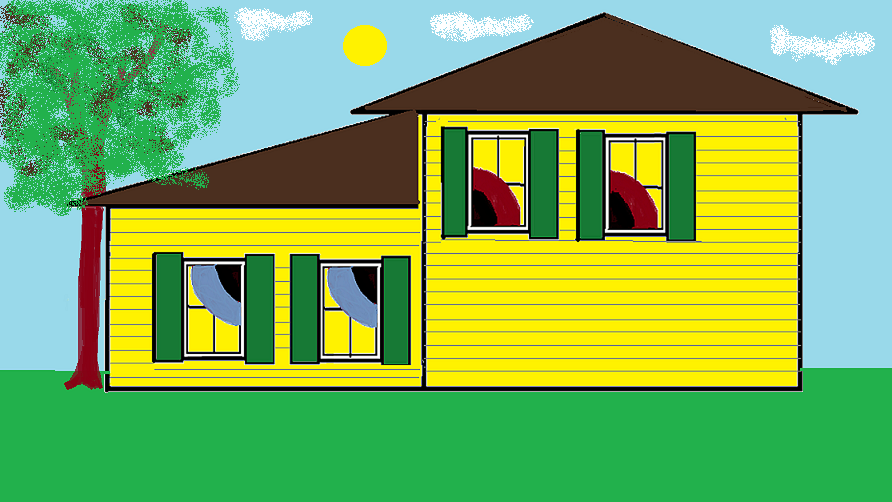
I call them split-level relationships.
Split-level relationships work for a while, but almost always break down. Eventually one or both partners realize they’re not getting what they need.
Codependents usually notice first. When that partner is female this can lead to the syndrome called the Walk-Away Wife.
But narcissists tend to be unhappy too. They often complain of loneliness, lack of connection to their codependent partner, or an absence of respect or affection. They may feel impatient, frustrated, irritated, resentful. Sometimes they drink, drug, overeat, rage or cheat, and then feel bad about that.
All this happens because split-level relationship is inherently unhealthy.
Familiar, sure. Comfortable, even, in the way the predictable may come to feel.
But not healthy. The unbalanced answers on which a split-level relationship is based simply cannot fill the emotional needs of two adults. So both partners end up feeling deprived, often without understanding why.
What does recovery for such a couple look like?
Put simply, a sort of role reversal.
Codependent partners must develop courage and practice standing up, asserting themselves. Narcissistic partners must develop empathy and practice stepping down, giving instead of grabbing.
Easy? No. Not easy for either of them.
Just necessary to life on the same level.
Feelings
.
.
* * *
.
 20 years ago:
.
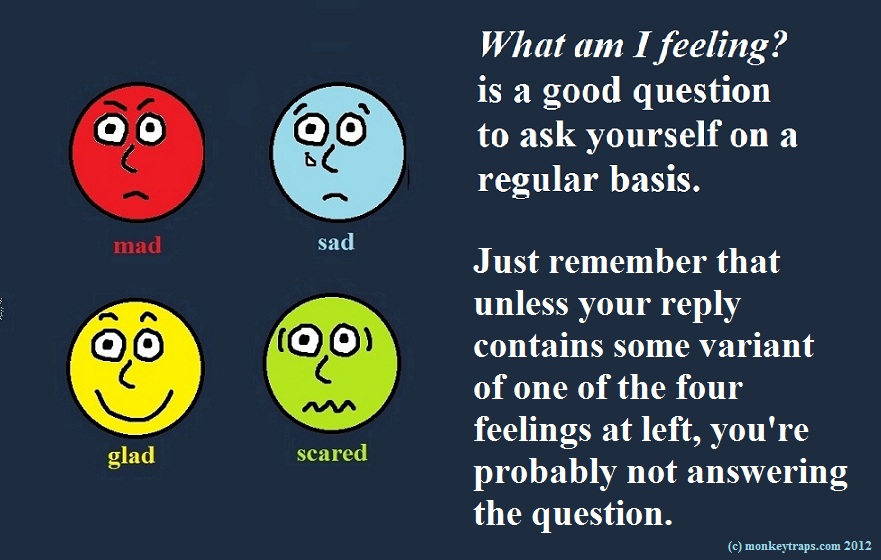
“What are you feeling?”
“I feel upset”
“Upset? What does upset mean?”
“Upset! It means that I feel upset!”
“Upset isn’t a feeling. Are you sad? Or scared? Or angry? Or feeling loss? Or something else?”
“I’m not sure.”
Yes, I was so afraid of my emotions that I couldn’t even begin to identify my “negative” emotions.
That would have meant getting close enough to them to start to really feel them, which felt utterly overwhelming.
And I’m not only talking about feelings related to the abuse, I’m talking about the feelings related to every day life.
Thus began my education about emotions.
~ From I have to feel what? by catsmeow at Living While Healing.
The Uncomfort Zone
 There’s a place in your life that’s neither light nor dark, warm nor cold, where things don’t quite work but where you stay because it’s familiar.
You stay because you know this place like the back of your hand, every dark corner, every lump in the carpet, every draft.
You stay because you can find your away around it with your eyes closed. Which, in fact, is just what you do.
There’s pain here, but it’s the dull, tolerable kind. The kind you know well. The kind you’ve known forever. The kind you cling to rather than risk something worse.
That’s the signpost up ahead.
Next stop: the Uncomfort Zone.
* * *
Albert, 58, has been married three times. His first two marriages ended in acrimonious divorce. His third marriage is two years old, and his wife recently ended their couples counseling in tearful frustration. Albert continues in therapy without her. He reports their life has deteriorated into a series of hurtful arguments alternating with long silences. Last week she told him she’d leave if she had someplace to go. I ask how he thinks our work together is going. “Really well,” he says. “It’s very interesting. I feel like I’m learning a lot.”
* * *
Barry, 38, sits on my sofa with his wife Beth. They are new clients. I ask why they’ve come. Beth tells me Barry’s individual therapist thinks couples work is necessary. “What led you to individual therapy?” I ask Barry. He frowns. “I have issues,” he says. “You drink, and you play video games, and that’s all you do,” the wife says. Barry frowns harder. “Do you have a problem with alcohol?” I ask Barry. “I have issues,” he repeats. The wall appears impenetrable. After twenty minutes I suggest Barry wait outside while I talk to Beth alone. He brightens, stands and walks quickly to the door. Then he turns back to his wife. “Can I borrow your iPad?” he asks.
* * *
Carly, 43 and a social worker, is more depressed this week than last. Last week she was more depressed than the week before. This slide began last year, with her transfer out of the counseling job she loved into an administrative job she hates, under a supervisor she considers an idiot. Now she visits her doctor monthly to request tweaks of her medication. Asked what’s depressing her, she shrugs: “No idea.” I tell her that I think what she needs is work — real, meaningful work she enjoys, that brings out the best in her and makes her feel valuable. I suggest she network, go on interviews, or consider private practice. I also suggest she pursue the hobbies — cooking, dancing, yoga — she once used to feed and express herself. She shakes her head. “I’m too tired for any of that now,” she sighs. “I need to save my energy for the stupid job.”
* * *
Debbie, 23, is crying. “You don’t love me,” she tells her boyfriend David, who’s sitting beside her on my sofa looking miserable. After three months of Debbie complaining of his silence and begging him to be more open with her, David has finally risked telling her about something he dislikes in their relationship. “I’m not good with words,” he said. “We never talked in my family. So when I try I get nervous. I’m scared to hurt your feelings. And the more you push me to talk, the scareder I get.” “Good for you, David,” I say. “I know how hard that was.” Debbie wipes her nose with a tissue. “So you don’t really love me,” she repeats.
* * *
Eddie, 42, is angry at his son Evan. “Everything scares him,” he tells me. “He’s scared to go to school. Scared he’ll fail Math. Scared to try out for teams. Scared to ask a girl out. What the fuck?” He shakes his head. I ask what happens when he tries to talk to Evan, who’s 15. “What do you think?” Eddie snorts. “He acts scared of me.” I ask what Evan’s fear looks like. “He sort of shrinks into himself. Gets quiet. Avoids eye contact. I can tell he just wants me to shut up and leave him alone.” “How’s that make you feel?” I ask. “Furious,” Eddie says. “I’m his father. I’m trying to help him.” “And what do you say?” I ask. “I say, ‘I’m your father. I’m trying to help you. What the fuck?'”
* * *
We read the world wrong and say that it deceives us. ~ Rabindrath Tagore
I’ve heard someone say that our problems aren’t the problem; it’s our solutions that are the problem. ~ Anne Lamott
When the only tool you have is a hammer, everything looks like a nail. ~ Abraham Maslow
Only a concerted effort to sort out the specific nature of our personal programming can offer hope of change, of new choices. ~ James Hollis
The significant problems we face cannot be solved at the same level of thinking we were at when we created them. ~ Albert Einstein
* * *
Overheard at the House:

I’m probably addicted to control too. The way I’ve attempted to control things is to pull further and further within myself and my own world. I got hurt at work. Now I don’t work. I got hurt by friends. Now I don’t have friends. I’m hurt by family. So, I’m very careful when I’m with them. But, I don’t feel safer. I can’t control myself. Now, I’m with myself more than ever before! I don’t think I thought that through…
Monkey House.
Click here ^
and join the conversation.
* * *
Coming soon:
From the monkeys who brought you
Bert’s Therapy, The Tribe and Monkey House,
a new cartoon strip about secret thoughts:
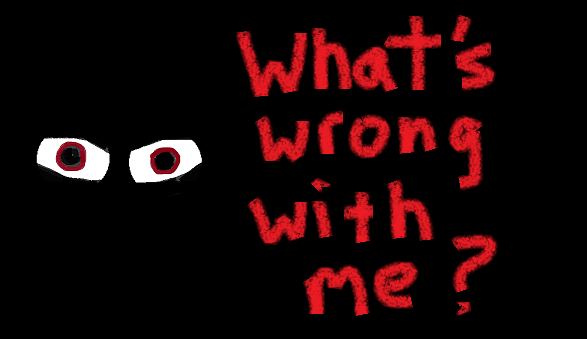
The Dark
Session 41: Gorilla warfare
 Felicia’s pissed at me.
1
2
3
What about?
1
2
3
I’m not really sure.
1
2
3
therapist-2
1
2
3
Monday she said I don’t make enough money.
1
2
3
th
1
2
3
Tuesday she complained I’m not home enough.
1
2
3
therapist-4
1
2
3
Wednesday she called me an “uninvolved father.”
1
2
3
therapist-5
1
2
3
Thursday she called me a slob.
1
2
Sounds confusing.
1
2
3
Bet your ass.
1
2
3
How did you respond?
1
2
3
Well, let’s see. Tuesday I went in and asked my boss for a raise.
1
2
3
therapist-8
1
2
3
Wednesday I came home early with flowers.
1
2
3
therapist-9
1
2
3
Thursday I helped Junior with his science project.
1
2
3
therapist-10
1
2
3
And Friday I did two loads of laundry and cleaned the bathroom.
1
2
Did it work?
1
2
3
No. Now she tells me I’m fat. What’s going on here?
1
23
Gorilla warfare.
1
2
3
Don’t you mean “guerilla” warfare?
1
No, gorilla. It’s a control thing. Your two inner monkeys are battling it out.
1
2
3
bert-14
1
2
Happens all the time in split-level relationships.*
1
2*What’s this? Click here.
3
bert-14
1
One partner seeks satisfaction by complaining or making endless demands on the other.
1
2
3
bert-15
1
2
The other seeks relief by trying to appease the first. But it never works.
1
2
3
Why not?
Because they’re ignoring the real problem, whatever that is. Pretty common in couples who haven’t learned to talk to each other.
1
2
3
Well, I hate feeling beat up. What can I do?
1
2
Less.
1
2
3
Meaning…
1
2
Give up control. Stop appeasing her.
1
2
3
She’ll get angry.
1
2
She’s already angry. Same result, less work.
1
2
3
Okay. Anything else?
1
Give up control in another way. Ask what she’s really angry about.
1
2
3
1
She may not know at first. That’s fine. Be patient. Be curious. Be brave. Keep asking.
2
3
That I can’t do.
1
2
3
Why not?
1
2
3
She might actually tell me.
1
2
3
Oh. Well, in that case…
1
2
3
1
2
There’s always Weight Watchers.
1
2
* * *
Session 22: Bull (part 2)
 bert
bert
1
2
3
4
Remember when I complimented you on developing some empathy?
1
2
3
4
 Yeah.
Yeah.
1
2
3
4
I may have spoken too soon.
1
2
3
4
 What the hell is “empathy,” anyway?
1
2
3
4
Awareness of another person’s feelings.
1
2
3
4
 And I lack that.
1
2
3
4
Apparently. But it’s not your fault.
1
2
3
4
 bert.
bert.
1
2
3
4
You’re a man. Most men are trained to be emotional dunderheads.
1
2
3
4
 “Dunderhead”?
1
2
3
4
Emotionally stupid.
1
2
3
4
 How does that happen?
1
2
3
4
Well, we teach men to ignore or hide their feelings…
1
2
3
4
 bert
bert
1
2
3
4
…so they can go to war and go to work and do other stuff that feelings tend to interfere with.
1
2
3
4
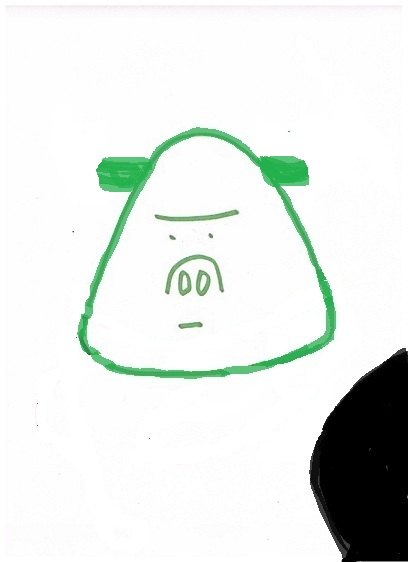
 Because big boys don’t cry.
1
2
3
4
Exactly.
1
2
3
4
 bert 10
1
2
3
4
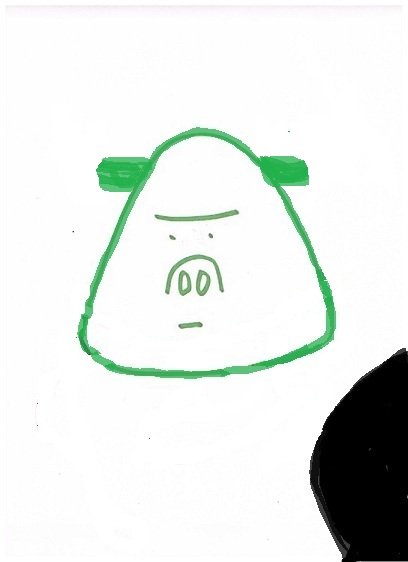
And once you lose touch with your own feelings…
1
2
3
4
 bert (11)
1
2
3
4
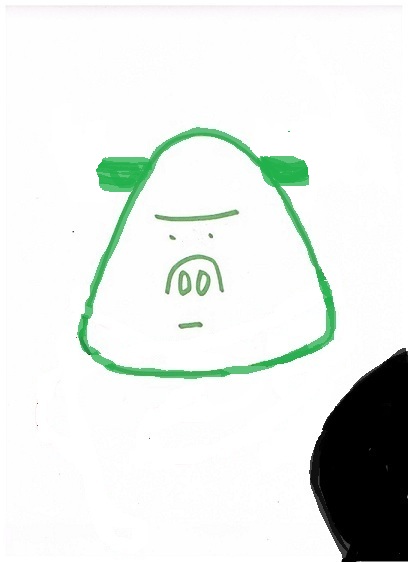
…it’s hard to be sensitive to anyone else’s.
1
2
3
4
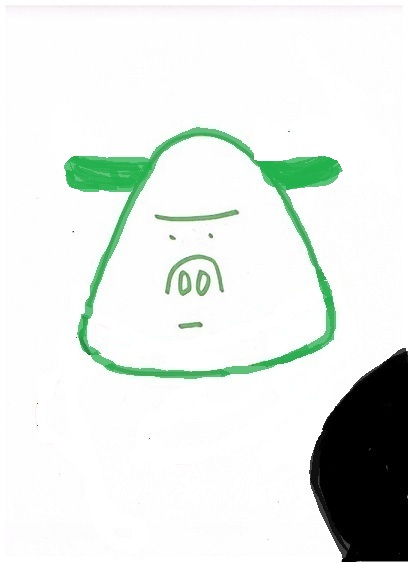
 Like a wife’s.
1
2
3
4
Yes.
1
2
3
4
 So she’s right. I am insensitive to her feelings.
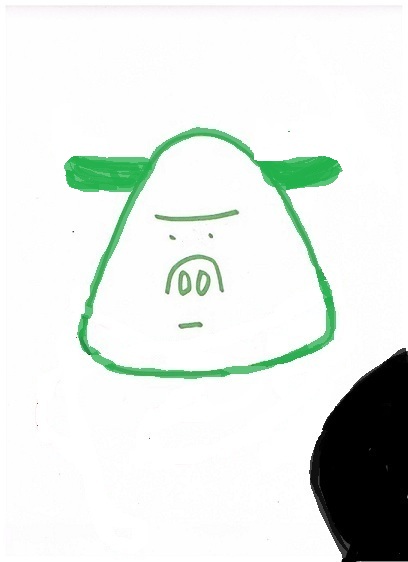
1
2
3
4
So it would seem.
1
2
3
4
 Now I feel like a jerk.
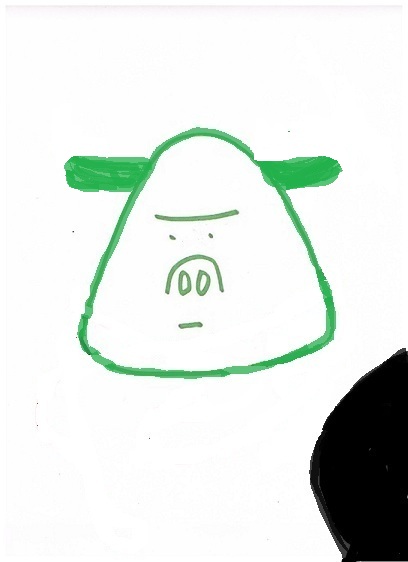
1
2
3
4
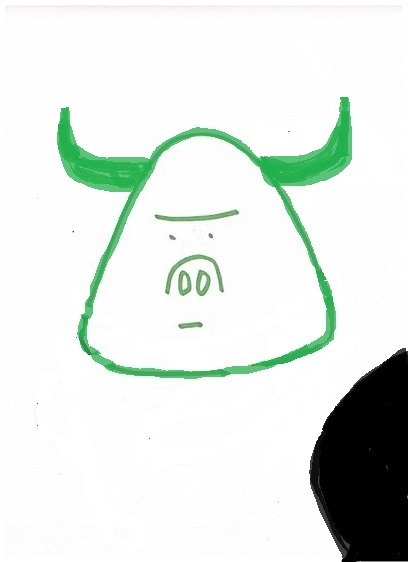
I wouldn’t say that. Just think of yourself as…
1
2
3
4
 bert (15)
1
2
3
4
…a bull in a china shop.
1
2
(To be continued.)
x
x
* * *
Want more?
 Having spent half his life trying to find fulfillment outside himself, he awakens to discover that it has not worked. For the first time in his life, a man may turn inward for answers.

He may begin to realize that his unhappiness is not caused by his failure to find the right woman or the right career, but by who he is and the way he is living his life.
Rather than blame others, he may ask, “How have I caused this to happen? Perhaps I need to change and develop greater self-awareness before I can have a healthy relationship or a satisfying career.”
This is a very difficult and courageous step for a man to take. Having successfully mastered his life on the outside, he is now forced to acknowledge that he needs help to explore difficulties encountered in his inner life.
From Real men do therapy by Jerry Magaro.
* * *
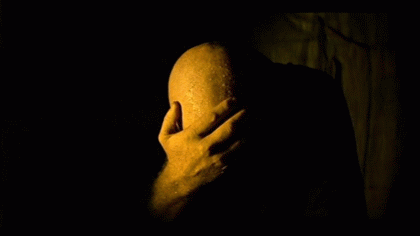 Most men grow up with an emptiness inside them. Call it father hunger, call it male deprivation, call it personal insecurity, it’s the same emptiness.
When positive masculine energy — a male mode of feeling — is not modeled from father to son, it creates a vacuum in the souls of men. And into that vacuum demons pour.
Among other things, they seem to lose the ability to know how to read situations and people correctly.
Richard Rohr, in From wild man to wise man: Reflections on male spirituality.
Session 17: Guilty
 Bad day at work.
1
2
3
4
What happened?
1
2
3
4
 Boss yelled at me.
1
2
3
4
And how do you feel?
1
2
3
4
 Guilty.
1
2
3
4
Why’d the boss yell?
1
2
3
4
 Having a bad day, I guess. He’s like that.
1
2
3
4
So why do you feel guilty?
1
2
3
4
 I don’t know.
1
2
3
4
That’s not guilt you’re feeling.
1
2
3
4
 It’s not?
1
2
No. It’s anger. Internalized anger often feels like guilt.
1
2
3
4
 It does?
1
2
3
Sure. Anger’s like poison. If you don’t spit it out at the person who hurt you, it eats away at you and feels like guilt.
1
2
3
4
 I don’t know about that. I’ve always been a pretty guilty person.
1
2
3
4I see. Tell me, what’s your boss like?
1
2
3
4
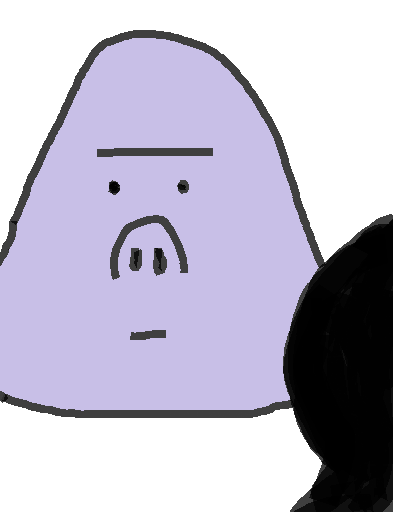
 He’s an asshole.
1
2
3
How big an asshole?
1
2
3
4
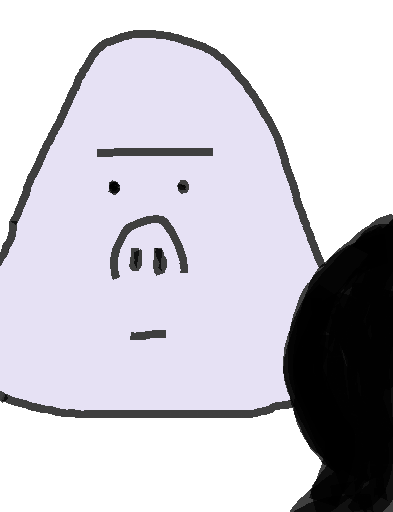
 Big.
Big.
1
2
3
4
Big?
1
2
3
4
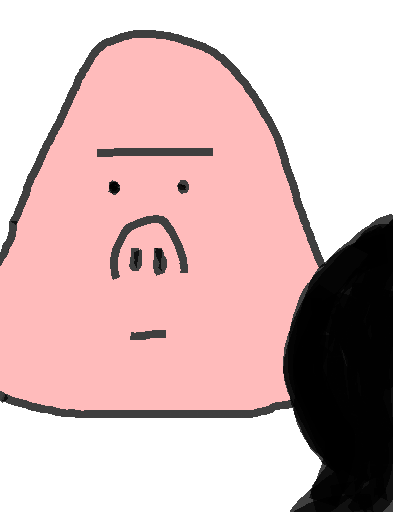
 Enormous.
1
2
3
4
And how’s it feel, working for an enormous asshole?
1
2
3
4
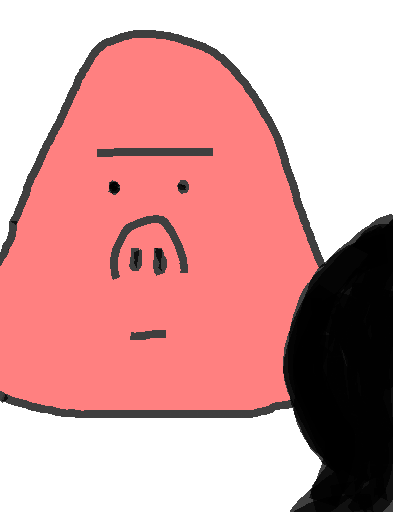
 I hate it. I hate him. I hate my job.
1
2
3
4
th12
1
2
3
4
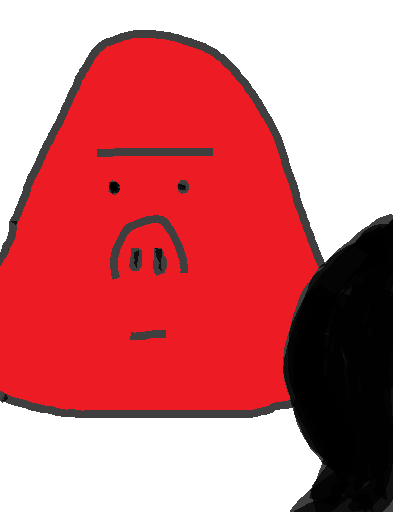
 Hate hate hate hate hate hate hate hate.
1
2
3
4
therapist (13)
1
2
3
4
 bert (14)
1
2
3
4
How you feeling now?
1
2
3
4
 Better. Much better. Not guilty at all.
1
2
3
4
th
1
2
3
4
 Does that always work?
1
2
3
4
When the guilt comes from internalized anger, pretty much.
1
2
3
4
 bert (17)
1
2
3
4
By the way, how’s your marriage going?
1
2
3
4
 bert (18)
1
2
3
4
* * *
1
2
3
4
Session 15: Predictable
 bert 1
1
2
3
4
So, you’re married?
1
2
3
4
 Yes.
Yes.
1
2
3
4
And her name’s Felicia, you said.
1
2
3
4
 That’s right. But I call her Babe.
1
2
3
4
Bert and Babe. Cute. And you have a son?
1
2
3
4
 Yes. Bud.
1
2
3
4
And a daughter?
1
2
3
4
 Brittany.
1
2
3
4
Sensing a pattern here.
1
2
3
4
 We have a dog, too.
1
2
3
4
Named…
1
2
3
4
 Bonzo.
1
2
3
4
Of course.
1
2
3
4
 Excuse me?
1
2
3
4
Just curious. Favorite color?
1
2
3
4
 Brown.
1
2
3
4
Favorite sport?
1
2
3
4
 Baseball.
1
2
3
4
Favorite music?
1
2
3
4
 Blues.
1
2
3
4
Composer?
1
2
3
4
 Bach.
Bach.
1
2
3
4
Holiday?
13
4
 My birthday.
1
2
3
4
Favorite meal?
1
2
3
4
 Burgers.
1
2
3
4
Favorite coal?
1
2
3
4
 Bituminous.
1
2
3
4
(Sigh.)
1
2
3
4
 What’s wrong?
1
2
3
Has anyone ever described you as predictable?
1
1
1
1
 Bite me.
* * *
A gazillion dandelions
Bert’s on my case about the blog.
“Too theoretical,” he sniffs. “Too metaphorical. You should write about real life.”
“I’m doing the best I can,” I reply.
“I know,” he sighs.
Then brightens.
“Hey, give me a turn. I could tell stories.”
“Not sure I’m ready for that.”
“Come on.”
“No.”
“Who’s the coward here, anyway?”
“Not yet.”
“Okay,” he sighs. “But if you’re not careful you’ll lose them.”
“Shut up, Bert.”
“I’m just saying.”
Then this morning something happened and I decided maybe he was right and I should give him his chance.
So here it is, Bert’s first post:
 It’s 94 today and humid. Went walking anyway. Have to, heat index notwithstanding. I need to get my weight under control.
So I’m walking down the street, heat rising off it in waves, and a cop car passes and pulls to the curb fifty yards ahead of me. Then a second cop car arrives from the opposite direction and does the same thing.
Two cops get out in their blue uniforms and their heavy black belts.
Poor guys, I think. In this heat.
They cross the street to where a couple stands on a lawn, arguing.
The guy is yelling at the woman. The woman yells back, waving her arms. Two little girls stand under a tree in pink sleeveless tops, holding hands and crying.
Inside me thoughts and impulses spring up, boink boink boink, like cartoon dandelions invading a summer lawn:
(1) I want to about-face and walk back down the street. Avoid upset. Reduce anxiety.
(2) I can’t about-face. What if someone notices. What’s his problem?
(3) I want to go to the two kids. Sit on the grass. Calm or distract them somehow. They stop crying, I’ll feel better.
(4) Can’t do that either. Dad might punch me. Mom might scream. Cops might whip out their handcuffs.
(5) I hear my own thoughts. I get mad. Handcuffs? Steve. Chickenshit. Seriously.
(6) I get mad at whoever called the cops. (In full projection mode now.) Mind your own business, Sir or Madam. Leave these people alone. Also, I’m trying to take a walk here.
(7) It occurs to me Sir or Madam is probably scared too. Why they called. Calling’s just their version of the about-face I wanted to make. Officers, please remove this. Now I regret I got mad at them.
(8) I think of the cops. What’s it like, standing there, trying to calm angry people in this heat? Are they trained for this? How? Instruction manual? Rehearsal in a steam room? And are they screened adequately? Do more people get shot by police in the summer?
(9) I notice I’m writing all this down in my head. Make them see what a control addict sees.
(10) I about-face, walk home to type it out before the heat melts what I’m thinking.
Moment to moment control issues bloom, boink boink boink, like a gazillion dandelions.
Red thread
 My last post described my workshop epiphany, how on the brink of public humiliation I discovered something I didn’t know I knew: that what self-help books call codependency is actually addiction to control.
Here’s the rest of the story:
After the workshop I go back to doing therapy with clinic clients. Mine is a typical outpatient caseload, filled with the sorts of problems every therapist faces: anxiety, depression, addictions, bad relationships, parenting problems.
But something’s different now.
Have you ever bought a new car — say, a Honda — and take it out on the road, and wherever you drive you see other Hondas? Suddenly the world is filled with Hondas you never noticed before.
This is happening to me. Suddenly my caseload is filled with control addicts.
The clients haven’t changed, I have. It’s like I put on new eyeglasses. My vision has refocused or sharpened or something, and now I can’t help seeing how relentlessly, compulsively and self-destructively controlling they all are.
They? I mean We. Everyone.
Controlling, I find, is the universal addiction. It’s everywhere I look. Not just in my codependent clients, but every client. Not just in clients, but in colleagues, and friends, and family, and on the nightly news, and in whatever I read or watch on tv or in the movies. And, of course, in myself. (I’ve discovered Bert.) Like a red thread in a carpet, the idea of control snakes through every problem, every motive, every personality, every life.
Why is this? Originally I’d assumed that dysfunctional families create codependency. But now I find the red thread running everywhere, which must mean either that (a) all families are dysfunctional (which is arguable) or (b) the urge to control is hardwired into us, rooted in some deep part of our brain that can’t help rejecting what life hands us and trying to replace it with what we prefer. Or (c) both. Or (d) something else entirely. I don’t know.
I spend the next fifteen years studying the idea of control.
I hunt for books on control (there aren’t many), then for books on related ideas like desire and addiction and power. I buy lots of books. I start reading everything with a highlighter in my hand, scribbling big yellow Cs alongside the parts that relate to control. Half my books start to look pee-stained. I buy more books. I start typing out control-related passages I like and collect them in a computer file which as of today runs to 117 pages. I become interested in Buddhism, which turns out to be all about control addiction. (Buddhists call it attachment.) I try meditating. I hate it. Well, not hate it exactly, but resist it like hell, to the point I’m unable to sustain a regular practice. (Thanks, Bert.) I buy books on discipline. Also more highlighters.
I reshape my approach to therapy around the idea of control. I teach my clients to notice when they’re monkeytrapped and how to escape. I write articles for them about control addiction and ways to recover from it. (We teach what we want to learn.) The therapy seems to work, for some at least. I am struck by how many clients tell me, as they become less controlling, “It’s so much easier.”
I decide to write a book.
I get blocked. My own control addiction prevents me from writing about addiction to control. (Thanks again, Bert.) The block lasts for months, then years. I buy books about writing and the creative process, which turns out to have lots to do with (surprise) surrendering control. Some of the books are wonderful. I learn a lot. The block continues.
But I am able to use what I’m learning to help my clients, parent my kids, manage my marriage, cope with a monkey-driven culture, and understand myself a bit better. (I’m not always thrilled with what I understand. Still. Better to know than not know, I figure.) I still project and worry, but now the worrier in me has an Off switch which actually works, oh, maybe half of the time. Unfortunately not the time I spend writing. I finally start this blog in hopes that daily writing and feedback from readers will jump-start the book.
What have I learned from all this?
Well, my view of control remains a work in progress. But I have reached four pretty firm conclusions:
(1) We are all addicted to control.
(2) This addiction causes most emotional problems.
(3) Behind all controlling is the wish to control feelings.
(4) There are better ways to handle feelings than control.
Since they seem true of everyone I meet, and seem to operate pretty invariably, I’ve come to think of these conclusions as the four laws of control.
Soon I’ll start writing here about what they mean and how they operate.
Me and my monkey

Before I go any further with this blog thing I should introduce my co-author and research assistant. His name is Bert.
Bert is my inner monkey.
< (A recent photograph. I know, he looks more like a gorilla. But Bert is a monkey of many moods. Today he feels gorillaesque.)
We’ve lived and worked together for decades, Bert and I, but it’s only in the last few years that I began to notice him. He’s unhappy about that. He prefers I not notice him at all. (In fact right now he’s sitting next to me, poking me with his monkeyfinger and trying to get me to stop writing this. Attention inhibits him, he says. Tough shit, Bert.)
How shall I describe him?
Well, Bert’s the part of me that
~ Tried to talk me out of writing this blog (because I’ve never done it before and have no idea what to expect).
~ Stops me from writing anything (because he’s scared of what people will think of what I think).
~ Does the same thing over and over, hoping for different results.
~ Avoids new places and new people.
~ Dislikes change (because it leads to feelings).
~ Dislikes feelings (because some are uncomfortable).
~ Loves numbness (especially the sorts induced by tv and sugar).
~ Dwells in the dark twisted jungle of Worst Case Scenario.
~ Feels, when confused or scared, just like a six-year-old.
~ Regresses, at such times, into narcissism. Even at his best he tends towards self-centeredness. When confused or scared he tends not to give a rat’s ass about what anyone else is needing or feeling.
~ Is self-conscious, often about silly things. (Right now he’s wondering how you reacted to rat’s ass.)
~ Pushed me into private practice (because he can’t stand having supervisors).
~ Wants to be a writer (because on bad days he can’t stand clients).
~ Stops me from writing my book (because he’s scared of readers).
~ Can’t relax.
~ Creates To Do lists that stretch beyond the horizon.
~ Loves driving tiny nails into my brain. Fat. Lazy. Undisciplined. Cowardly. Nail-driving is his favorite hobby. He learned it when I was a kid and had it perfected by the time I hit puberty. It’s taken most of six decades to get him to at least occasionally put down the fucking hammer.
~ Wonders how you reacted to fucking.
~ Is never here, now. That is, he spends most of his time is caught up in either memories (mostly bad ones) or projections (usually scary).
~ Wants. Endlessly.
~ Wars with life. That is, tries to replace whatever reality life hands him with the version he carries around in his head.
All of which amounts to a long way of saying that Bert
~ Believes in what I call the illusion of control: that if he tries hard enough long enough he really will be able to change people, places and things into what he prefers.
I call him my co-author, but in fact Bert’s role in this blog has yet to be determined. For a while he’ll probably try to stop me from writing it. Then he’ll try getting me to write as little as possible, and/or only safe stuff that won’t embarrass me or my family. Eventually I expect he’ll settle for drooling on my shoulder and telling me what a shitty job I’m doing.
Anyway, Bert and I welcome you to Monkeytraps.
PS: Bert says Hi, and please don’t come back.
Steve & Bert

COMING SOON: An expanded 2nd edition

CLICK HERE TO ORDER MONKEYTRAPS (THE BOOK)

Follow the conversation:
-
-

-
-
BERT’S IN THERAPY. To listen in, click on his nose.


