Tag Archives: pathologies of control
Labels
In times of crisis she calls herself names.
“I’m so stupid,” she’ll say. Or “I’m crazy.”
But when I offer her a diagnosis – suggest she has an anxiety disorder, say – she rejects it:
“I don’t like labels.”
Puzzling. What are stupid and crazy if not labels?
It reminds me of something many addicts say when I suggest medication:
“I don’t want to need a pill to make me feel good.”
I hear this regularly from people already dependent on pot, street drugs or alcohol.
How explain this inconsistency?
To some people, accepting a diagnosis or medication feels like a loss of control.
I sympathize. Nobody likes to feel defined or directed by somebody else.
But resisting diagnosis and treatment usually leaves such people feeling neither freer nor stronger.
Just crappier.
Not more in control, but more helpless.
Another reminder of what I call the First Paradox.
The greater your need to feel in control, the less in control you’re likely to feel.
The big lie
In Mein Kampf (1925) Adolf Hitler explains the propaganda technique known as The Big Lie.
Most people, he writes, never think to fabricate “colossal untruths,” and so never expect others will have the gall to do so. This makes them gullible — so gullible that
Even though the facts [disproving the lie] may be brought clearly to their minds, they will still doubt and waver and will continue to think that there may be some other explanation.
Some families promulgate Big Lies, too.
I know this because there’s one lie with which therapists struggle every working day.
I wrote about it here not long ago (All my fault).
The lie is,
A family’s problems are
caused by the children.
This lie is usually told by parents, who may believe it themselves. (Often because their parents taught them to.)
Some deliver it directly. I wish you were never born. Or Why do I drink? You’re why I drink.
That’s rare, though. More often the lie is delivered indirectly. If I wasn’t pregnant, do you think I’d have married your father?
And sometimes it’s delivered nonverbally, with not words but behavior.
A sigh. A sniff. A look. Averted eyes. Angry or rejecting body language. Even comments meant to be overheard. That kid will be the death of me.
How can children defend against this?
They can’t.
Kids are like sponges. They absorb whatever poison they’re soaked in.
So if you’re a parent it’s worth taking time to examine how you explain, in the privacy of your mind, your own family’s pains and problems.
Because, accurate or cockeyed, your conclusions will probably become your kids’ conclusions.
And in some cases, the lie they end up living.
Fear versus anxiety
![[24] 181. 95% of what we worry about [E]](https://monkeytraps.com/wp-content/uploads/2014/02/24-181-95-of-what-we-worry-about-e.jpg)
***
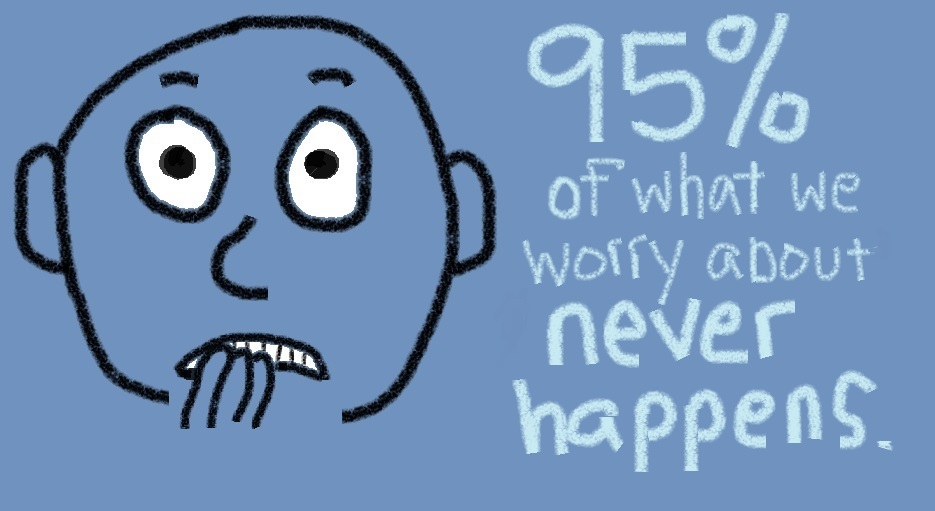
Why do we worry (endlessly, most of us) about stuff that never happens?
Because fear and anxiety are different things.
They feel the same, but they’re not.
Fear’s a reaction to real danger. Anxiety’s a reaction to danger we imagine.
Say you walk into a forest. A bear rushes out from the trees and growls at you.
What you’re feeling is fear.
He’s a real bear, and he could take a real bite out of you.
Now say you walk into a forest, and you look at the trees and think, “Wow, there could be bears in there.”
There speaks anxiety.
It’s a voice that issues from your big, oversized brain. The one that can’t stop remembering and anticipating and analyzing and scaring the shit out of you.
Such brains explain why we’re a race of endlessly, needlessly frightened creatures.
Good thing to remember.
Because there’s a big difference between fighting real bears and fighting those that lurk only in the forest of your mind.
* * *
Related:
“Background music: Control and anxiety”
https://monkeytraps.wordpress.com/2011/06/15/background-music-control-and-anxiety/
and
“Nuts”
https://monkeytraps.wordpress.com/2012/07/22/nuts/
Session 15: Predictable
 bert 1
1
2
3
4
So, you’re married?
1
2
3
4
 Yes.
Yes.
1
2
3
4
And her name’s Felicia, you said.
1
2
3
4
 That’s right. But I call her Babe.
1
2
3
4
Bert and Babe. Cute. And you have a son?
1
2
3
4
 Yes. Bud.
1
2
3
4
And a daughter?
1
2
3
4
 Brittany.
1
2
3
4
Sensing a pattern here.
1
2
3
4
 We have a dog, too.
1
2
3
4
Named…
1
2
3
4
 Bonzo.
1
2
3
4
Of course.
1
2
3
4
 Excuse me?
1
2
3
4
Just curious. Favorite color?
1
2
3
4
 Brown.
1
2
3
4
Favorite sport?
1
2
3
4
 Baseball.
1
2
3
4
Favorite music?
1
2
3
4
 Blues.
1
2
3
4
Composer?
1
2
3
4
 Bach.
Bach.
1
2
3
4
Holiday?
13
4
 My birthday.
1
2
3
4
Favorite meal?
1
2
3
4
 Burgers.
1
2
3
4
Favorite coal?
1
2
3
4
 Bituminous.
1
2
3
4
(Sigh.)
1
2
3
4
 What’s wrong?
1
2
3
Has anyone ever described you as predictable?
1
1
1
1
 Bite me.
* * *
(Bert’s therapy) Session 2: Felicia
So. Your wife sent you.
…………….
[1]
[2]
[3]
Yes.
Why?
……….
[1]
[2][3]…………………………………………………………………………………………………………………………………………………………………………………………………………………………………………………………………………………………………………………………………………………………………………………………………………………………………………………………………………………………………………………………………………………………………………………………………………………………………………………………………………………………………………………………………………………………………………………………………………………………………………………………………………………………………………………………………………………………………………………………………………………………………………………………………………………………………………………………………………………
.
She says I have control issues.
What’s she mean?
[1]
[2]
[3]
 I have no idea.
She doesn’t say what bothers her?
……………………….
[1]
[2]
[3]
Nope. She’s a bit crazy, my wife.
I see. What’s her name?
….
[1]
[2]
[3]
Felicia.
Maybe we should ask Felicia in to tell us herself.
……………………….
…..
[1]
[2]
[3]
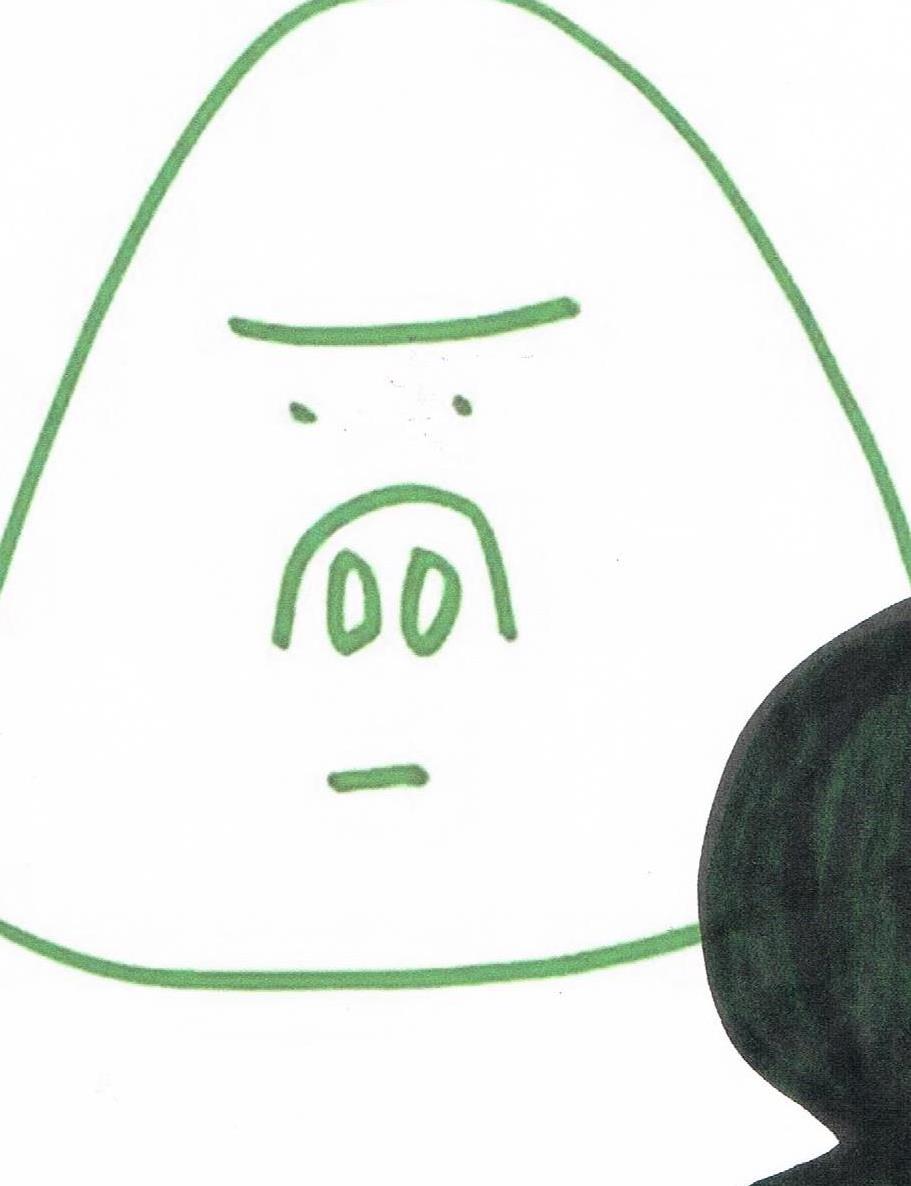
How would you feel about that?
[1]
[2]
[3]
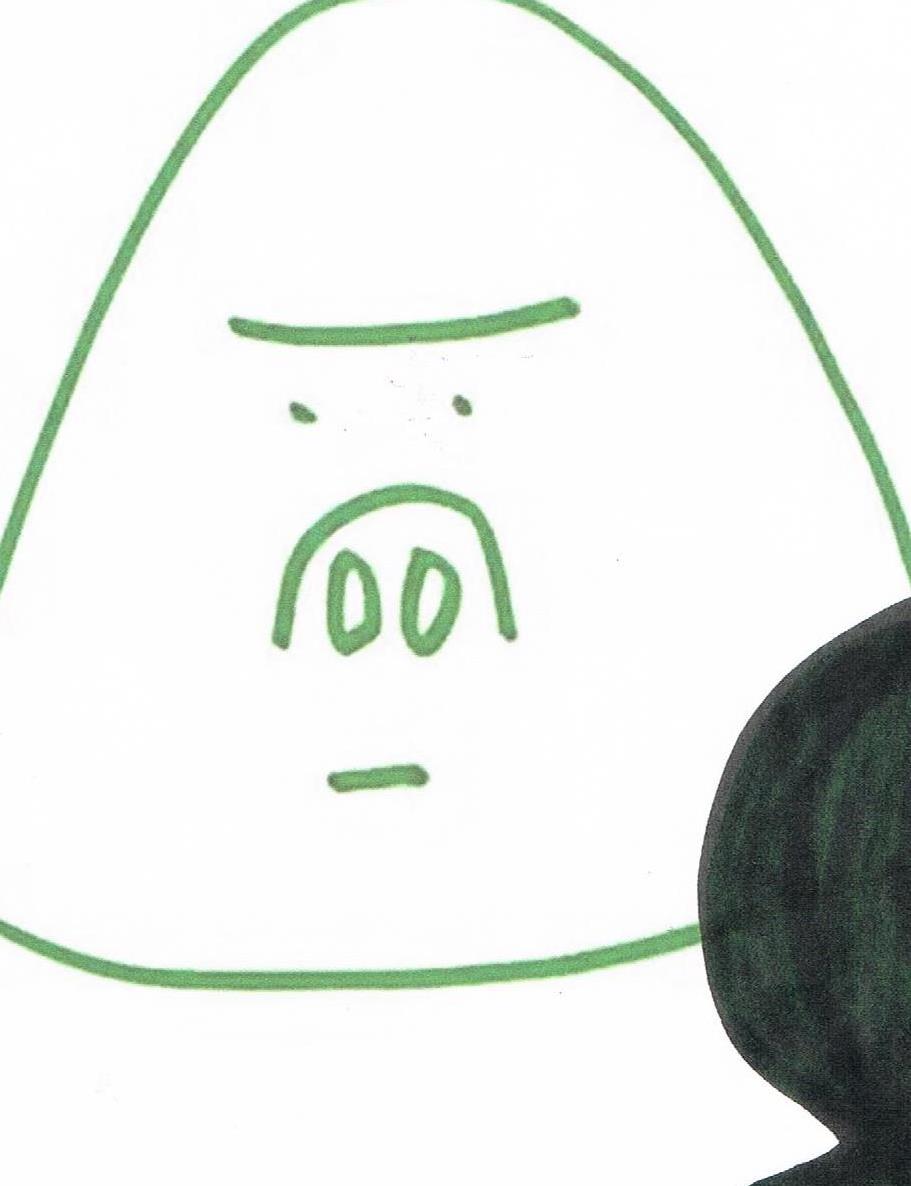
. . . . .
[1]
[2]
[3]
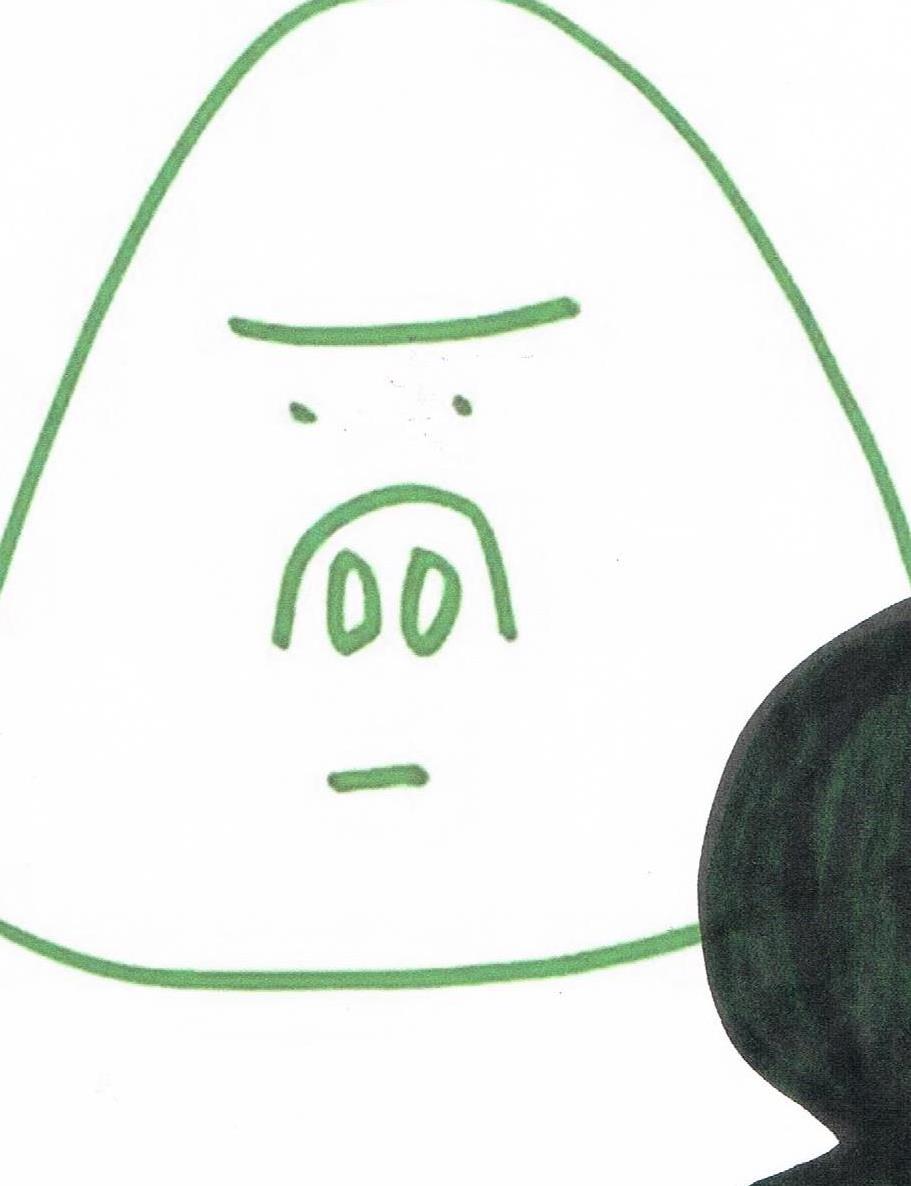
I’ll tell you everything.
Me and my monkey

Before I go any further with this blog thing I should introduce my co-author and research assistant. His name is Bert.
Bert is my inner monkey.
< (A recent photograph. I know, he looks more like a gorilla. But Bert is a monkey of many moods. Today he feels gorillaesque.)
We’ve lived and worked together for decades, Bert and I, but it’s only in the last few years that I began to notice him. He’s unhappy about that. He prefers I not notice him at all. (In fact right now he’s sitting next to me, poking me with his monkeyfinger and trying to get me to stop writing this. Attention inhibits him, he says. Tough shit, Bert.)
How shall I describe him?
Well, Bert’s the part of me that
~ Tried to talk me out of writing this blog (because I’ve never done it before and have no idea what to expect).
~ Stops me from writing anything (because he’s scared of what people will think of what I think).
~ Does the same thing over and over, hoping for different results.
~ Avoids new places and new people.
~ Dislikes change (because it leads to feelings).
~ Dislikes feelings (because some are uncomfortable).
~ Loves numbness (especially the sorts induced by tv and sugar).
~ Dwells in the dark twisted jungle of Worst Case Scenario.
~ Feels, when confused or scared, just like a six-year-old.
~ Regresses, at such times, into narcissism. Even at his best he tends towards self-centeredness. When confused or scared he tends not to give a rat’s ass about what anyone else is needing or feeling.
~ Is self-conscious, often about silly things. (Right now he’s wondering how you reacted to rat’s ass.)
~ Pushed me into private practice (because he can’t stand having supervisors).
~ Wants to be a writer (because on bad days he can’t stand clients).
~ Stops me from writing my book (because he’s scared of readers).
~ Can’t relax.
~ Creates To Do lists that stretch beyond the horizon.
~ Loves driving tiny nails into my brain. Fat. Lazy. Undisciplined. Cowardly. Nail-driving is his favorite hobby. He learned it when I was a kid and had it perfected by the time I hit puberty. It’s taken most of six decades to get him to at least occasionally put down the fucking hammer.
~ Wonders how you reacted to fucking.
~ Is never here, now. That is, he spends most of his time is caught up in either memories (mostly bad ones) or projections (usually scary).
~ Wants. Endlessly.
~ Wars with life. That is, tries to replace whatever reality life hands him with the version he carries around in his head.
All of which amounts to a long way of saying that Bert
~ Believes in what I call the illusion of control: that if he tries hard enough long enough he really will be able to change people, places and things into what he prefers.
I call him my co-author, but in fact Bert’s role in this blog has yet to be determined. For a while he’ll probably try to stop me from writing it. Then he’ll try getting me to write as little as possible, and/or only safe stuff that won’t embarrass me or my family. Eventually I expect he’ll settle for drooling on my shoulder and telling me what a shitty job I’m doing.
Anyway, Bert and I welcome you to Monkeytraps.
PS: Bert says Hi, and please don’t come back.
Steve & Bert

COMING SOON: An expanded 2nd edition

CLICK HERE TO ORDER MONKEYTRAPS (THE BOOK)

Follow the conversation:
-
-

-
-
BERT’S IN THERAPY. To listen in, click on his nose.